Green Hydrogen Infrastructure: TBS Group and Akanetsu Launch Tokyo’s First Commercial Hydrogen Heat Source
Akanetsu, a subsidiary of TBS Holdings, has launched Tokyo’s first private commercial green hydrogen heat source facility in Akasaka, integrating fuel cells and co-fired boilers to decarbonize district energy.
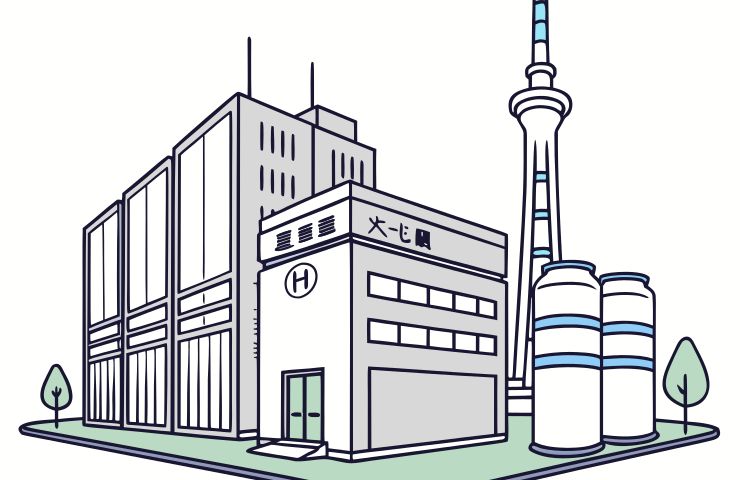
On May 12, 2026, Akasaka Heating & Cooling Supply Co., Ltd., which you might know better as Akanetsu, marked a big moment in the green hydrogen scene by officially launching the first private commercial green hydrogen heat source facility right in the heart of Tokyo’s Akasaka district. This initiative isn’t just another project; it’s a notable leap in green hydrogen production and urban hydrogen infrastructure. It cleverly combines pure hydrogen fuel cells with hydrogen co-fired boilers to roll out district heating, cooling, and electricity—all essential elements for bustling urban life.
So where's the hydrogen coming from? The facility taps into green hydrogen sourced from power-to-gas demos happening in Yamanashi Prefecture. The neat part? This hydrogen is stored safely in a specialized low-pressure hydrogen storage alloy before it even makes its way to the plant. At the site, fuel cells do their magic by converting hydrogen and oxygen into zero-emission electricity. Meanwhile, those boilers mix in up to fifty percent hydrogen with city gas to churn out steam, aiming for around a twenty percent drop in CO₂ emissions when stacked against traditional gas methods.
Akanetsu has been in the urban district energy game since the early '50s, providing centralized steam and power around Akasaka. Instead of digging up the streets to lay new pipes, they’ve smartly retrofitted existing distribution systems. This move cuts down on installation time and cost while keeping disruptions to a minimum in such a lively area.
Technology at the Core
Now, at the heart of this whole operation is the pure hydrogen fuel cell technology. These ingenious devices break down hydrogen into protons and electrons at the anode. The electrons then zip through external circuits, energizing local equipment, while the protons travel through a membrane to team up with oxygen at the cathode, resulting in just water and heat as the only byproducts. That’s right—this setup doesn’t just go easy on emissions; it also provides emergency backup power, beefing up the reliability for district operations.
Storage plays a crucial role here too. The hydrogen storage alloy tanks keep the hydrogen secured within metal frameworks at low pressure, making them a safer bet in densely packed neighborhoods. This alloy locks in hydrogen chemically, allowing operators to release the gas by simply tweaking the temperature—ensuring they always have a steady flow even when demand spikes or deliveries are delayed.
And don’t overlook those hydrogen co-fired boilers. They’re crucial for incorporating clean hydrogen into district energy. By blending up to fifty percent hydrogen with regular natural gas, these boilers create steam for heating and cooling. The cleaner burning hydrogen reduces carbon emissions while leveraging the existing boiler infrastructure, which helps keep things running smoothly.
Business and Policy Drive
TBS Holdings, the parent company, has woven this facility into its overarching Green Transformation (GX) strategy. The aim? To demonstrate that urban setups can slash emissions without dropping performance. President Ryujiro Abe has been vocal about green hydrogen being a key player in the company’s sustainability goals, tying it into Japan’s Basic Hydrogen Strategy that champions hydrogen produced without fossil fuels.
Meanwhile, Akanetsu President Morimasa Takagi noted that actually getting this project up and running meant tackling several years’ worth of technical and logistical hurdles. To make it happen, the company teamed up with the Council for Study of Hydrogen Supply Systems and Pipelines in Tokyo, signaling a commitment to scaling urban hydrogen infrastructure alongside their peers and policymakers.
Public support has played a critical role here, too. The Tokyo Metropolitan Government stepped in with grant funding for the plant through its “produce, transport, use” hydrogen deployment framework. Governor Yuriko Koike has pushed for market-driven trials for green hydrogen, which includes various small-scale demonstrations on Tokyo’s waterfront and competitive auctions for hydrogen supply under Contracts for Difference schemes.
National policies are backing this momentum as well. In 2023, Japan kicked off a “Safety + 3E” initiative that focuses on safety, energy security, efficiency, and environmental welfare, pouring over fifteen trillion yen into hydrogen and clean energy projects. Deploying facilities like Akasaka shows valuable insights into scaling citywide applications, ranging from commercial buildings to hydrogen-powered data centers that need reliable backup.
As a media and real estate powerhouse, TBS plans to utilize its broadcasting channels to share performance updates, safety protocols, and user experiences. By weaving in hydrogen fuel cell news and broader stories about green hydrogen production, the group aims to boost public understanding and acceptance of hydrogen infrastructure.
Urban Decarbonization in Practice
Take a look at Tokyo’s Akasaka 5-chome area, and you’ll see the hurdles of decarbonizing a densely populated district. With high population density and a mix of commercial, diplomatic, and governmental buildings, uninterrupted energy for heating, cooling, and power is a must.
Here’s where the hydrogen supply chain really shines, connecting Yamanashi’s electrolyzers to downtown Tokyo through safe, low-pressure alloy storage. This brings clean energy to places where rooftop solar or wind farms just don’t fit. Plus, it sets the stage for future hydrogen pipelines that local stakeholders hope will also serve buses, trucks, and other buildings in the next decade.
Implications and Outlook
From an economic perspective, this facility might pave the way to lower costs through the scaled production of green hydrogen in Yamanashi. This is all happening amid Japan’s hefty investment in energy security, efficiency, and environmental goals. As the demand for hydrogen surges, manufacturers of fuel cells, storage alloys, and burner retrofits could find a burgeoning domestic market along with export opportunities that come calling.
Environmentally, coupling that zero-emission electricity from fuel cells with roughly twenty percent lower emissions from boiler operation can make a real dent in urban carbon footprints. Sure, boiler performance and emissions hinge on operating conditions, but early data suggests that co-firing can offer a budget-friendly decarbonization route without waiting around for complete system overhauls.
That said, safety is still a top priority. Hydrogen’s wide flammability range and potential for embrittlement in metal pipelines necessitate rigorous monitoring and careful design. While using low-pressure alloy storage helps mitigate risks, the project team emphasizes the need for continuous validation and community outreach to keep the public informed and confident.
Global Resonance
This Tokyo plant is just one of many urban hydrogen projects popping up worldwide. In Europe and North America, similar experiments have looked into hydrogen blending within gas networks and district heating systems, but few have managed to integrate green hydrogen production, fuel cell power, and boiler co-firing all under one roof. By bringing together these components, the Akasaka facility could serve as a roadmap for other cities dealing with tight infrastructure and ambitious climate goals.
Across Europe, projects in Rotterdam and Hamburg have piloted hydrogen blends in district heating networks, but most are still small-scale or public-sector driven. Akasaka's unique structure might just offer a model for cities aiming for a commercially viable hydrogen infrastructure.
In the grand scheme, this milestone highlights how private operators, media giants like TBS, and local governments can collaborate to drive hydrogen solutions in urban settings. As Japan forges its path towards carbon neutrality by 2050, projects like this one will test everything—from technology readiness to investor appetite and regulatory adaptability.
For now, Akasaka’s green hydrogen heat source serves as a tangible stride toward a sustainable city grid, pointing to a future where hydrogen infrastructure could seamlessly connect aspirations with everyday energy needs.