
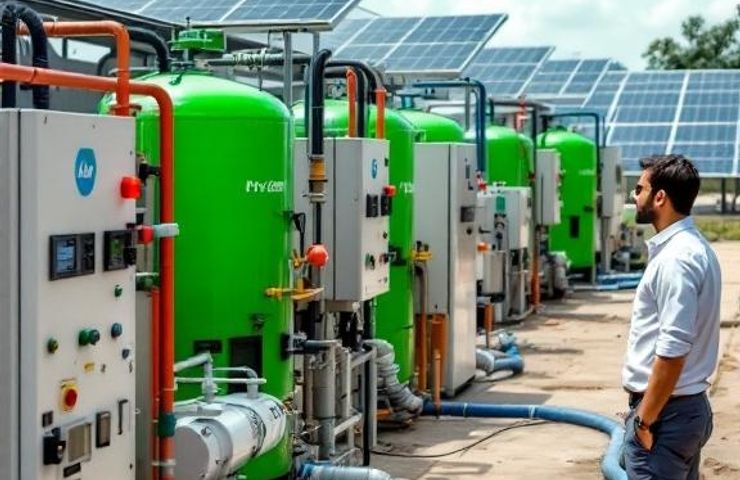
Green Hydrogen Milestone in India: Waaree’s 2.5 MW EAAS in Uttar Pradesh
February 26, 2026Let’s not beat around the bush: Waaree Clean Energy Solutions just nailed a 15-year Electrolyzer as a Service (EAAS) deal with Zero Footprint Industries (ZFI). They’re supplying, installing and running a 2.5 MW alkaline electrolyzer in Uttar Pradesh, and on top of that, they’ve inked a MoU for another 50 MW down the line. This isn’t just talk—it’s green hydrogen on the ground in one of India’s busiest industrial spots, powered by supportive policy and a roadmap for industrial decarbonization in mentha oil, chemical and steel clusters.
The Deal in a Nutshell
Here’s the gist: Waaree is taking care of everything—design, engineering, supply, installation, commissioning and operation—so ZFI doesn’t have a rupee of upfront CAPEX to worry about. In return, ZFI scores a steady stream of green hydrogen and oxygen, crucial feedstocks for its clients. They’ll hook the plant up to both the local grid and dedicated solar farms, riding the wave of cheap renewables in the Gangetic plains. And that extra 50 MW? They’ll scout spots and run feasibility studies, only dialing in CAPEX once offtake and power purchase agreements are locked.
Why It Matters
So why should you care? India’s gunning for 5 million tonnes of green hydrogen production by 2030, but grand plans mean nothing without working plants. An EAAS model like this tears down barriers by shifting the cost and headaches to the service provider. Industries can swap out grey hydrogen for green, shrink their carbon footprints and cut import dependencies on fossil-based hydrogen. In UP, sprawling solar fields are gearing up to become hydrogen infrastructure hubs that power local manufacturing and fuel net-zero dreams.
Inside the Tech
At the core is a 2.5 MW alkaline electrolyzer, built at Waaree’s Dungri plant in Gujarat. It uses a potassium hydroxide bath to split water into hydrogen and oxygen under DC power—classic electrolysis at work. Waaree expects about 4.1 million Nm³ of hydrogen and 2 million Nm³ of oxygen per year. Sure, it’s a notch below proton exchange membrane systems in efficiency, but alkaline tech wins on reliability, lower upfront costs and simple upkeep. Plus, that oxygen by-product will feed on-site processes, slashing logistics and cylinder transport emissions.
Strategic Take
The beauty of this deal? It’s not just equipment sales—it’s a full-service package complete with maintenance, performance guarantees and locked-in pricing for 15 years. That steady revenue stream lets Waaree pour resources into R&D for next-gen electrolysers, while ZFI can brag about being a zero-carbon hydrogen supplier—big brownie points for any company chasing sustainability credentials. With the Uttar Pradesh New and Renewable Development Agency backing them, they should breeze through land permits, duty waivers and grid connections that stall other green hydrogen projects.
Context Check
UP’s been busy signing big hydrogen pacts—Lord’s Mark and Greenzo each locked in 60 MW deals—but few have gone for an EAAS approach at this scale. Europe’s been running service contracts for ages, but India’s market is still in pilot mode. The UP Green Hydrogen Policy 2024 sweetened the pot with incentives missing in other states, and rock-bottom renewable tariffs here finally make the numbers add up. It’s a real-time experiment to see if state-led frameworks can bulldoze through policy paralysis.
Collateral Impact
On paper, we’re looking at roughly 70,000 tonnes of CO₂ slashed every year—about the equivalent of planting 400,000 mature trees. But the upside runs deeper: local jobs for engineers and technicians, training programs with nearby institutes, and fresh orders for equipment vendors. And since that oxygen by-product stays on-site, they can ditch costly cylinder deliveries. Sure, electrolyzer scaling, intermittency and grid integration remain challenges, but a rock-solid 15-year offtake deal knocks out most of the revenue risk. It’s a template begging to be copied.
Policy Alignment
UP’s Green Hydrogen Policy 2024 is tossing out duty exemptions, fast-tracked land permits and preferential grid access. At the national level, the National Green Hydrogen Mission offers viability gap funding and concessional loans. This mix tackles the financing and regulatory bottlenecks that have stalled other projects, setting the stage for service-first models like EAAS to really thrive.
Industry Implications
Cement, chemical and pharma plants across UP have long leaned on grey hydrogen made from natural gas. Switching to on-site green hydrogen under the EAAS model cuts Scope 1 emissions at the source, streamlines logistics and reduces inventory costs. Plus, that steady oxygen output can replace pricey tanker trips, trimming operational expenses for oxidation and refining processes.
Global Lens
Zoom out, and EAAS is picking up steam in Europe, with Linde and Engie leading the charge. India’s lagged behind—thanks to steeper financing costs and patchy policies—but if the Waaree–ZFI deal proves replicable, it could show emerging markets how risk-sharing contracts and aligned policy frameworks accelerate green hydrogen deployment.
Next Steps
The immediate push is commissioning the first module and finalizing power purchase agreements. Both companies say performance verification pilots are on deck in the coming months. Keep an eye on coulombic efficiency figures under real-world conditions and any fine-tuning of the EAAS contract as they scale up. Those metrics will reveal whether this was a one-off win or a truly scalable blueprint.
Final Thought
We’ve heard the theory—now it’s time to see green hydrogen go operational. A long-term EAAS deal like this is modular, fully financed and plugged into actual industrial demand. If India’s serious about industrial decarbonization, we need more service-based contracts and fewer standalone megaprojects. No hype—just a practical blueprint. Let’s watch who jumps on board next, and whether this sets the new norm in India’s hydrogen story.

 With over 15 years of reporting hydrogen news, we are your premier source for the latest updates and insights in hydrogen and renewable energy.
