Green Hydrogen News: CHARBONE Inks Long-Term Supply Deal to Decarbonize Film and TV Production
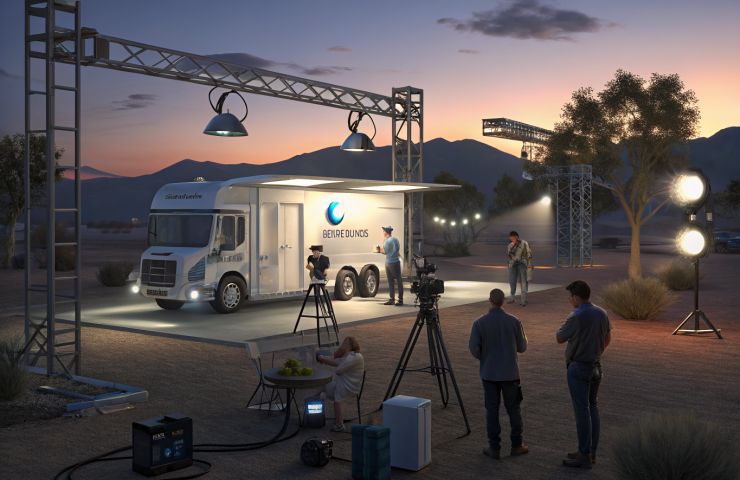
June 18, 2026Picture this: you’re on a film set buzzing with creativity, but without the typical smell of diesel in the air—no roaring engines or greasy black soot mucking up the camera lens. Sounds dreamy, right? Well, that’s exactly the vision CHARBONE Corporation is working toward with their new long-term hydrogen supply deal with Hone Inc.. Film production usually leans heavily on large equipment and generators that end up leaving a hefty carbon footprint, particularly when filming in remote spots or bustling urban centers. By introducing hydrogen as a simple, drop-in alternative, these companies are set on making a real difference in an industry where reputation and perception go a long way.
The entertainment sector is stepping up to the plate when it comes to tackling climate change. Studios and production companies are setting ambitious sustainability goals, and the move to cleaner practices can create ripples that go beyond just box office hits. By sending diesel generators packing, this partnership sends a powerful message that clean hydrogen can shine both on-screen and off.
In the realm of clean hydrogen news, this supply contract is making waves, showcasing how green hydrogen production can carve out a niche and spark fresh discussions around low-carbon energy sources.
Could hydrogen actually power a film set?
<pWhen it comes to filming on location—whether in city streets, dense woods, or sweeping desert landscapes—production teams often drag in loud diesel generators to power lights, cameras, trailers, and base camps. These machines, while cheap and easy to find, are notorious for spewing out CO₂ and particulate pollution. Not to mention, the fuel trucks that deliver diesel can disrupt both busy neighborhoods and delicate ecosystems. Hydrogen, on the other hand, can arrive neatly packed in sealed cylinders or tube trailers, unload quietly, and power hydrogen fuel cells or modified combustion units to provide electricity with minimal local emissions. Plus, it’s a lot easier on the ears!
This agreement is a groundbreaking step—one of the first long-term clean hydrogen offtake agreements in the entertainment biz, a space that’s long been dominated by diesel rentals. It’s pushing the boundaries of how productions think about power away from the grid.
How modular green hydrogen production bridges the gap
So, what’s the deal with green hydrogen production? Essentially, it involves breaking down water into hydrogen and oxygen through renewable-powered electrolysis, which keeps life-cycle carbon emissions at a minimum. Unlike blue hydrogen—which often relies on natural gas and carbon capture—green hydrogen skips fossil fuels entirely by using renewable energy sources. CHARBONE’s modular systems are designed to plug right into solar farms, wind parks, or hydropower options, so the electrolysis process stays as low-carbon as possible.
The heart of this system is the electrolyser, which splits water using electricity. What’s cool about CHARBONE’s modular designs is that they’re either containerized or skid-mounted, making them super easy to deploy near studios or alongside renewable generators. The game plan here is to:
- Keep capital costs lower than big factory setups
- Allow for gradual scaling as demand increases
- Minimize long-distance transportation and risks linked to infrastructure
Once the hydrogen is generated, it gets compressed and stored on-site or in transport vessels, showcasing important elements of safe hydrogen storage. When it’s time to light up the set, techs can connect storage tanks to fuel cells or specialized generators. Fuel cells work by combining hydrogen with oxygen in a sealed stack, cranking out electricity, heat, and water—all without noise or emissions. This makes them perfect for those indoor shoots that need a bit of hush. For heavier power needs, hydrogen-powered combustion engines can burn gas with hardly any soot and next to zero carbon monoxide emissions.
Key players behind the scenes
CHARBONE Corporation is making waves as a hydrogen and industrial gas provider with a focus on ultra-high-purity and green hydrogen. They’re publicly traded across North America and Europe and are taking a modular approach to serve regional markets in North America and Asia-Pacific. They’re also diversifying their revenue streams by acting as a strategic helium distributor while they ramp up hydrogen production. Locking in a long-term offtake deal with an entertainment partner gives them a high-profile use case to add to their story.
Meanwhile, Hone Inc. might not be as public-facing in financial statements, but they’re positioning themselves as a serious player in clean energy for film and TV. By providing hydrogen supply alongside specialized storage, safety systems, and power conversion tools, Hone Inc. is offering a one-stop solution similar to how rental fleets traditionally supplied diesel generators. Partnering with a dedicated hydrogen supplier allows Hone Inc. to sharpen its focus on sustainable energy, rather than juggling logistics with multiple fuel suppliers.
The benefits for studios and the planet
This deal points to the slow but steady growth of hydrogen infrastructure near major production areas, reducing dependence on fossil fuel supply chains. Beyond cutting down emissions on-site, transitioning to hydrogen-powered energy has a slew of advantages:
- Boosted sustainability credentials: Studios that embrace hydrogen can flaunt their environmental commitments in marketing and even qualify for new green certification programs.
- Operational flexibility: Modular hydrogen units can be used for a single production or kept on standby for upcoming shoots, making logistics way easier compared to managing diesel deliveries.
- Increased investor confidence: A long-term supply contract in such a visible sector helps CHARBONE attract financing for more modular plants by demonstrating real demand.
- Better noise and air quality: Fuel cell generators operate quietly and cut down on particulate emissions, creating a better working environment and lowering local pollution levels.
- Public engagement: High-profile films and shows often grab global attention; showcasing hydrogen-powered sets can educate viewers and normalize clean energy tech.
While specific details on the carbon intensity of the supplied hydrogen haven’t been outlined, this move aligns with corporate net-zero goals and regional policies that back clean hydrogen development, avoiding the bottlenecks that centralized hubs can create since these modular plants can be set up closer to activity.
What’s next for hydrogen in entertainment?
Looking down the line, this partnership could trigger a chain reaction across studios, production service companies, and event organizers. The key to success will be a strong safety record, reliable supply, and overall cost-effectiveness compared to diesel. Early adopters will likely refine fast refueling setups, compact storage solutions, and hybrid systems that blend batteries with hydrogen for those peak power needs.
As industry groups roll out sustainability guidelines and emissions reporting measures, hydrogen power may find its way into those criteria, possibly unlocking tax perks or green certification opportunities. Producers racing to meet climate goals might discover that clean hydrogen solutions are crucial for scoring location permits or insurance coverage under new environmental rules.
What’s learned in the film industry could easily cross over into other on-the-go power needs: think remote research stations, festival stages, or construction sites. If CHARBONE and Hone Inc. can provide a smooth, cost-effective experience, hydrogen units could be making their way onto production checklists around the globe right alongside lighting rigs and camera cranes.
In a time when audiences are looking for authenticity and accountability from the brands they support, swapping out diesel generators for hydrogen might just be one of the most striking steps toward sustainability the production world has ever seen. CHARBONE Corporation and Hone Inc. aren’t just powering film sets—they’re shining a light on the flexibility of green hydrogen and paving the way for clean energy in all sorts of industries beyond heavy manufacturing.

 With over 15 years of reporting hydrogen news, we are your premier source for the latest updates and insights in hydrogen and renewable energy.