Green Hydrogen News: North Atlantic’s Avalon Isthmus Wind-to-Hydrogen Project Advances
June 4, 2026You don’t often see an oil refiner making a big play in renewable energy, but North Atlantic Refining Corp. is doing just that with its exciting plan to harness the power of strong coastal winds to create green hydrogen. Enter the Avalon Isthmus Green Energy Project, a fantastic venture that combines a 324 MW wind farm featuring 45 turbines near Sunnyside with cutting-edge electrolysis and hydrogenation facilities at the existing Come By Chance terminal. With an environmental assessment approval from the Government of Newfoundland and Labrador now in hand, they’ve tackled a huge hurdle and are eyeing a final investment decision early next year.
Turning Wind into Green Hydrogen
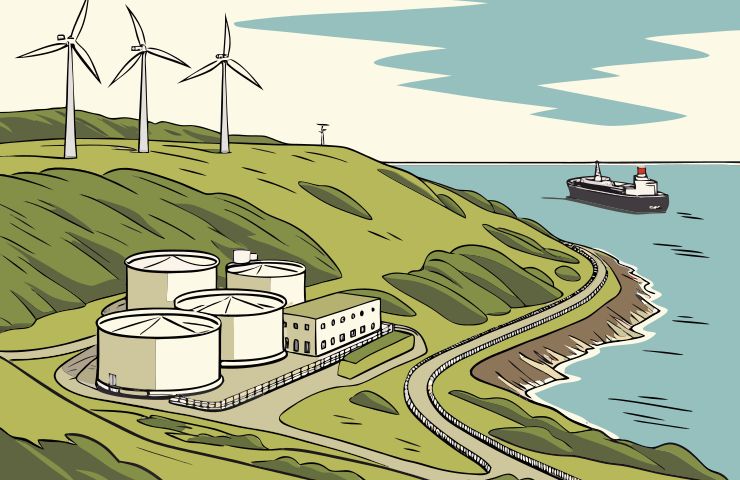
Now, let’s dig into what makes the Avalon Isthmus project tick. At its core is a 324 MW onshore wind farm outfitted with 45 ultra-efficient turbines that thrive in Newfoundland’s cool, steady wind conditions. Instead of sending that electricity to the grid, the farm’s output is laser-focused on powering a hydrogen generation plant, which aims to churn out roughly 30,000 tonnes of green hydrogen every year. The clever design—where renewable generation is directly coupled with electrolysis—promises improved efficiency while managing variability without overloading the public grid.
Leveraging Established Industrial Hubs
One of the standout advantages of this project is its connection to the long-standing Come By Chance terminal. This deep-water port and refinery, operating since the ’70s, is set to host a hydrogenation plant designed to handle around 60,000 tonnes of hydrogen annually. By processing hydrogen into carriers like ammonia on-site, North Atlantic can tap into global commodities markets and ship low-carbon fuels using infrastructure that’s already in place for crude oil exports. This not only cuts down on new port expenses but also speeds up project timelines.
A Pillar in Newfoundland and Labrador’s Strategy
The Avalon Isthmus initiative fits right into Newfoundland and Labrador’s Hydrogen Development Action Plan. The province is sitting on a goldmine of wind resources and has plenty of Crown land available, plus it’s perfectly located for transatlantic exports. With this project on the horizon, Newfoundland aims to diversify its energy portfolio, create jobs in Sunnyside and Come By Chance, and cement its place in the global clean energy supply chain.
Clearing the Field
Remember when the excitement around wind-to-hydrogen in Newfoundland kicked off? There were numerous proposals competing for Crown land. Some developers on the Port au Port Peninsula and in central Newfoundland hit snags when land reservations were revoked due to unpaid fees or slow progress. That’s why the recent regulatory approval for this project is such a significant win. It’s one of the few initiatives that has steadily advanced through environmental reviews and public engagement, setting a benchmark for the province’s hydrogen aspirations. This development showcases the government’s more careful approach to land allocation, proving that timely execution and financial commitment are crucial for gaining support.
Regulatory Milestone Cleared
After months of in-depth studies and community consultations, the province recently granted the long-awaited environmental assessment approval for North Atlantic’s wind-to-hydrogen project. This milestone means more than just ticking boxes; it sends a strong message to investors and stakeholders that the regulators are satisfied with their plans for wildlife protection, noise management, and land-use impacts. Plus, it sets Avalon Isthmus apart from other stalled wind-to-hydrogen proposals that faltered when land reservations were pulled.
Building a Green Energy Hub
Avalon Isthmus is really just the opening act in the broader North Atlantic Green Energy Hub, which envisions several wind-to-hydrogen clusters popping up around Placentia Bay and Trinity Bay. Representatives from the company suggest that the hub could eventually produce up to 90,000 tonnes of green hydrogen each year, though they’re still analyzing the feasibility of that target. By clustering these projects together, North Atlantic hopes to maximize shared infrastructure, from transmission corridors to export terminals, which will help lower costs and ramp up production. If it all comes together, this hub could transform Newfoundland’s industrial corridor into a significant player in the global clean energy market.
Technical Blueprint for Production
On the tech side of things, the plan involves connecting the turbines through dedicated transmission lines to large-scale electrolyzers. These machines are responsible for splitting water into hydrogen and oxygen, compressing and drying the hydrogen for storage or processing. The electrolyzers are designed to adjust output based on changing wind conditions, and the system includes limited grid backup options to ensure a steady hydrogen flow even when the winds aren’t cooperating. This integrated approach offers crucial insights for managing variable renewable energy sources in continuous green hydrogen production.
Facing Economic and Market Challenges
But let’s face it, there are some economic and market hurdles to clear. Building that 324 MW wind farm, alongside a 30,000 tpa electrolysis plant and a 60,000 tpa hydrogenation facility, isn’t going to be cheap. The project’s success really hinges on securing long-term purchase agreements with buyers—likely in Europe—alongside competitive pricing and robust carbon policies. North Atlantic is working towards a final investment decision early next year, but factors like equipment costs, interest rates, and market demand will play a huge role in shaping the final financing package.
Environmental and Community Considerations
While the production of green hydrogen can slash lifecycle emissions, having dozens of turbines and industrial plants on Crown land can’t be without its local impact. The assessment process requires measures for protecting birds and bats, restoring habitats, and managing noise levels. Ongoing community engagement in Sunnyside and Come By Chance is essential, with a focus on balancing industrial activities with the beauty and heritage of the coastal landscape. North Atlantic knows keeping community support strong is vital to avoid delays or pushback in the future.
A Real-World Test for Export Ambitions
The Avalon Isthmus project isn’t just significant for Newfoundland; it’s a real test case for any remote region hoping to export green hydrogen at scale. With Europe’s increasing demand for renewable imports and net-zero commitments from shipping and heavy industry, there’s a growing market for Canadian exports. If North Atlantic’s hub becomes operational, it might just pave the way for other projects across Atlantic Canada, showing how a unique mix of wind resources, industrial infrastructure, and strategic location can create a competitive export offering.
Bottom Line: A Pioneering Shift
North Atlantic Refining’s shift from fossil fuels to the green hydrogen sector highlights how industrial decarbonization is reimagining traditional energy assets. By integrating a major wind farm with electrolysis and hydrogenation at an established terminal, the Avalon Isthmus Green Energy Project represents a forward-thinking, practical solution for the energy challenges ahead. As a forerunner in Newfoundland and Labrador’s hydrogen strategy, it stands to unlock new revenue streams, generate jobs, and open up export pathways, marking the beginning of an exciting new chapter for the province’s energy landscape.

 With over 15 years of reporting hydrogen news, we are your premier source for the latest updates and insights in hydrogen and renewable energy.