Green Hydrogen Partnership Powers NATO E-Fuel Network
ITM Power and Rheinmetall are deploying modular 50 MW PEM electrolysers in the Giga PtX network, aiming for hundreds of decentralised sites producing 5,000–7,000 tonnes of carbon-neutral e-fuels annually to boost NATO's energy resilience.
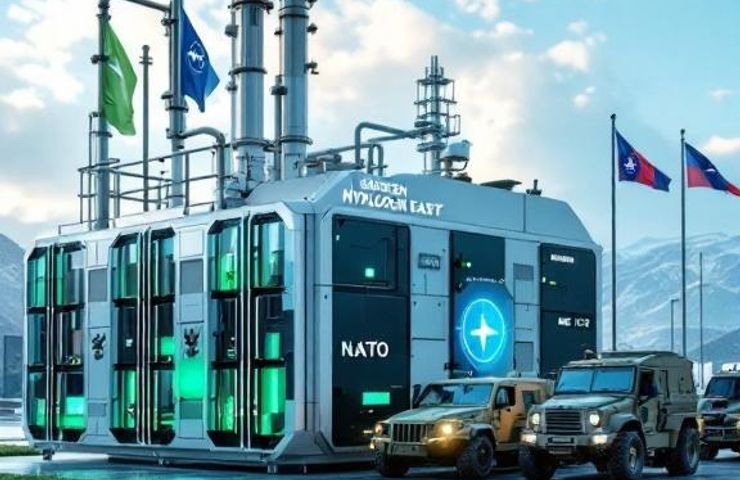
Across Europe, there’s a fresh buzz in defence logistics, driven by a big leap in green hydrogen tech. This month, UK-based ITM Power PLC teamed up with Germany’s Rheinmetall AG, cooking up a plan to roll out modular 50 MW PEM electrolyser units for the ever-ambitious Giga PtX initiative. Imagine hundreds of small-scale hubs cranking out carbon-neutral e-fuels from wind and solar power to keep NATO’s vehicles and aircraft fueled. Kicking off in the UK, each site should pump out somewhere between 5,000 and 7,000 tonnes of synthetic diesel and jet fuel annually—quite the stride toward leaner, greener defence supply lines.
Historical Context
You could say Giga PtX is standing on the shoulders of giants. Back in 2024, Rheinmetall and e-fuel whizzes at Ineratec planted the first seeds, aiming to cut Europe’s dependence on imported oil and smooth out erratic power grids. Fast-forward to the Ukraine conflict and global energy pinch points, and NATO’s been shouting: “Bring fuel production home!” That’s where ITM Power comes in—since its 2018 debut on the London Stock Exchange AIM, the Sheffield team’s hauled in about £86.5 million and supercharged its factory line to keep electrolysers rolling off the assembly belt.
Europe, meanwhile, is all-in on hydrogen. Governments in the UK and Germany have stashed serious cash behind hydrogen hubs, while researchers tinker away at next-gen electrolyser builds and fuel-making processes. NATO’s own playbook on energy resilience puts clean fuels front and centre, propelling demos into full-blown projects and lighting a fire under cross-sector partnerships—paving the way for defence-ready rollouts like Giga PtX.
A New Frontier in Defence Fuels
Traditional refineries? They’re so last century. The new game plan: dozens of mini-plants planted right beside ops bases. Every 50 MW unit splits water into hydrogen and oxygen via a polymer membrane, then mashes that hydrogen with captured CO₂ to churn out drop-in e-fuels through Fischer–Tropsch magic. By breaking the chain into bite-size chunks, planners dodge the headaches of maritime bottlenecks or fickle power grids.
What’s really cool is the on-demand flexibility. Bases and airfields can tap into local e-diesel and e-jet stocks, slashing long-haul trucking and storage hassles. No more waiting on fuel convoys around the Mediterranean or North Sea—this modular setup gives military logistics a serious agility boost when every minute counts.
Modular Electrolysers and Power-to-X Technology
At the heart of it is ITM Power’s knack for PEM electrolyser tech—honed since the company’s 2001 launch and polished up in Sheffield. These units are built to flex—you can crank them up or down in a flash to match what the wind and sun are dishing out. Then comes the Power-to-X alchemy, transforming green hydrogen into dense liquid hydrocarbons you can toss right into tanks and pipelines.
Sticking with existing engines and fuel systems is a big win for the military. This is truly plug-and-play: roll in the electrolyser, hook it up to CO₂ capture, and you’re in business without ripping out half your fleet’s guts.
Building Energy Resilience
Energy security is high on every general’s to-do list these days. As Dennis Schulz, CEO of ITM Power, likes to say, aligning the energy transition with national defence makes total sense. And Shena Britzen, who heads up Rheinmetall’s hydrogen efforts, points out that while batteries have their place, they can’t yet handle heavy-duty logistics like synthetic e-fuels. By setting up local fuel plants, NATO cuts its exposure to global crises and dodges supply chain snafus.
Think about hotspots like the Strait of Hormuz or flare-ups in the Middle East—having e-fuel hubs close to the action is a game-changer when geopolitical tremors start rattling logistics.
Environmental and Strategic Benefits
Each of these satellite plants can offset roughly 90% of lifecycle carbon emissions compared to their fossil rivals, ticking a big box for net-zero defence pledges. Plus, by sipping excess renewable power during quiet grid hours, they help keep the whole system humming smoother. Strategically, Europe inches toward true energy independence, while local economies score new jobs in building and upkeeping electrolysers and Power-to-X gear.
On the climate front, lower-emission e-fuels let armed forces walk the talk on cutting operational pollution and leading on green credentials. It’s a tactical win and a sustainability victory rolled into one.
Challenges and Collateral Impacts
No sugarcoating it—getting these plants off the ground takes serious capital, and scaling up renewables plus CO₂ capture won’t happen overnight. We’re also looking at a tug-of-war for green hydrogen between military needs and civilian industry, which could spike prices if left unchecked.
On the flip side, the Giga PtX push could light a bonfire under the electrolyser market, driving prices down as factories crank them out en masse. Civil sectors stand to pick up the tech and know-how too, seeding a broader hydrogen economy across Europe.
Regional and Global Momentum
While the UK is the starting block, Giga PtX is blueprint-ready for other NATO allies. National hydrogen roadmaps plus NATO’s supply-chain playbook have set the stage for some serious cross-border teamwork. As solar and wind farms blossom in Spain, France and Scandinavia, there’ll be even more zero-carbon juice to feed these modular hubs—cementing Europe’s lead in defence-ready green energy.
Across the pond and beyond, militaries are taking notes. Lots of them are tinkering with similar distributed fuel ideas, eyeing greener logistics and bulletproofing operations with local green hydrogen assets.
Looking Ahead
With the first sites already lining up for planning approval, Europe’s on the cusp of a logistics makeover. Before long, hundreds of modular units could be churning out millions of tonnes of e-fuels every year. As green hydrogen and Power-to-X tech keep maturing, Giga PtX shows just how resilience, sustainability and strategic freedom can come together to power tomorrow’s armed forces.