
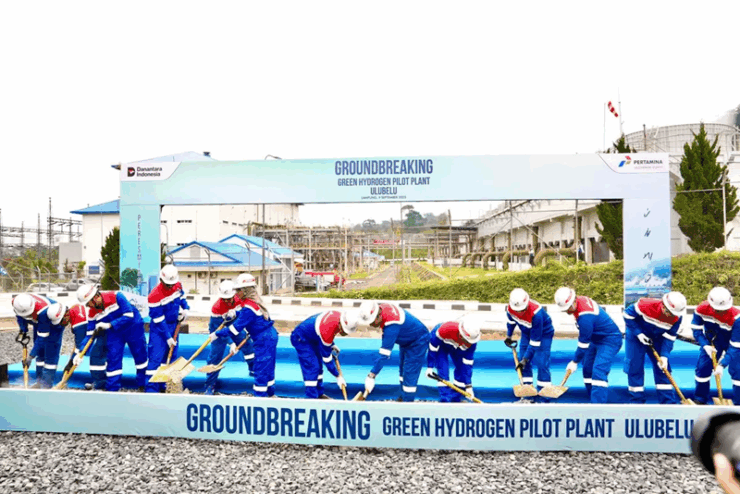
Green Hydrogen Pilot Project Launches at Ulubelu Geothermal Site
February 23, 2026Lighting Up Ulubelu’s Geothermal Hotspot
Perched on Sumatra’s volcanic belt in Lampung Province, the Ulubelu region has always been famous for its hissing steam vents. This month, PT Pertamina Geothermal Energy Tbk (PGE), part of state-owned PT Pertamina (Persero), decided to take things up a notch with the Ulubelu Pilot Project. They’re plugging an AEM Electrolyzer into the Ulubelu Geothermal Power Plant’s solid 2,000 MW capacity to crank out about 100 kg of Green Hydrogen every day.
With a neat US$3 million investment behind it, this pilot aims to prove geothermal power isn’t just for electricity grids—it can run hydrogen production 24/7, rain or shine. The idea’s been in the works since 2021, when PGE’s engineers teamed up with international consultants to figure out how best to marry underground heat with cutting-edge electrolyzers.
Next-Generation Electrolysis Technology
At the core of this initiative is the AEM Electrolyzer, a fresh face in the electrolysis world. Instead of relying on bulky alkaline tanks, it uses a nifty polymer membrane that shuttles hydroxide ions, making the split between hydrogen and oxygen impressively clean. According to PGE’s specs, it can hit 82–88% efficiency under steady load.
The real win here? Pairing that constant geothermal baseload with the AEM’s quick startup. You dodge the usual solar-and-wind whiplash—no more waiting for sunshine or breeze. PGE execs are calling this setup a total game-changer for reliable Green Hydrogen production.
Project Milestones and Timeline
At the launch ceremony, Ahmad Yani, PGE’s President Director, laid out the roadmap: ground’s been broken this month, and they’re shooting for plant commissioning by late 2026. After that, it’s into a three-year testing phase to push every component to its limits—think performance, durability, and cost targets all under the microscope.
If the plant consistently hits 80–100 kg/day, the Ulubelu Pilot Project could serve as a template for PGE’s other 15 geothermal sites—and maybe even spur similar ventures in volcanic hotspots worldwide. It’s all about scaling up geothermal-powered hydrogen and showcasing the muscle of Geothermal Energy.
Strategic Alignments and Government Backing
This pilot’s not flying solo—it’s woven into Indonesia’s bigger push for Indonesia Renewable Energy and a homegrown hydrogen ecosystem. Simon Aloysius Mantiri, President Director of PT Pertamina (Persero), said it best: it aligns perfectly with their shift from oil and gas toward renewables. Overseeing policy, Deputy Minister Yuliot Tanjung hailed PGE’s move as a key step in setting standards and business models for the hydrogen market.
On the regulatory front, the Ministry of Energy and Mineral Resources is crafting a national hydrogen framework. The data streaming out of Ulubelu will help slot in tariff structures, safety rules, and certifications—vital groundwork to reel in private investors and secure the project’s long-term success.
Regional Momentum and Industry Precedents
The Ulubelu Pilot Project is standing on the shoulders of PT PLN’s Kamojang facility, Southeast Asia’s first geothermal hydrogen plant that kicked into gear in early 2024. Early reports from Kamojang talk about rock-solid uptime and essential lessons on plugging hydrogen into utility grids.
That success has sparked interest in hybrid systems—imagine steam extraction paired with onboard hydrogen storage for off-grid industrial sites. Meanwhile, PGE is also ramping up other projects, like the new 55 MW unit at Gunung Tiga and the recent completion of Lumut Balai Unit 2, reinforcing Sumatra’s renewable backbone.
Investment, Partnerships, and Ecosystem Growth
With an upfront investment of around US$3 million, the Ulubelu Pilot Project covers everything from civil works to the high-tech electrolyzer setup. It’s not a commercial gig just yet, but it’s designed to feed into Pertamina’s broader ecosystem—think refueling stations, industrial heat solutions, and fuel cell rollouts.
PGE is teaming up with local engineering outfits and talking with global tech suppliers to lock in joint R&D partnerships—boosting knowledge transfer and skill-building for Indonesia’s workforce. They’re even exploring collaborations with regional universities for research on advanced catalysts and materials, pulling every lever to push the tech envelope. And while final offtake deals are still in the works, word is they’re in talks with mobility and industrial partners to kickstart demand for low-carbon hydrogen, with an eye toward a domestic supply chain that’ll drive costs down and keep energy security tight.
Environmental and Economic Impacts
Swapping out diesel or grid power for geothermal juice in electrolysis is a no-brainer for slashing CO₂ emissions. Over the trial period, PGE expects to shave off hundreds of tonnes of carbon—solid proof that volcanic heat can help tackle climate change head-on.
On the flip side, the project’s set to create jobs in construction, operations, and maintenance while drawing fresh clean-energy investments to the region. Local communities are already talking about workforce training programs so residents can jump into these new roles and share in the green growth.
A Glimpse into the Future
Looking ahead, the Ulubelu Pilot Project could rewrite the rulebook on hydrogen production. Instead of leaning solely on variable renewables, we might see geothermal-powered hubs popping up in volcanic regions from the Philippines and New Zealand to Iceland. PGE is already eyeing a 2×55 MW plant at Hululais for 2027–2028.
As Indonesia strides toward its Net Zero Emissions by 2060 target, geothermal-driven hydrogen could be a linchpin—providing stable baseload power that keeps both the lights on and our climate commitments intact. Beyond power generation, analysts reckon these geothermal-hydrogen hubs could double as seasonal storage, smoothing out the grid during peak demand or dry seasons when hydropower dips. With Ulubelu moving from blueprints to live operations, everyone’s got their eyes glued—from industry conferences and academic circles to global investors. If it nails the performance, this model could go viral, cementing Geothermal Energy-powered Green Hydrogen as a keystone in the clean energy world.


 With over 15 years of reporting hydrogen news, we are your premier source for the latest updates and insights in hydrogen and renewable energy.