
Green Hydrogen Powers Amber Grid’s €3.3B Energy Independence Strategy
April 13, 2026Ever wondered what it looks like when you marry decades-old gas pipelines with shiny new Green Hydrogen tech and beefed-up Hydrogen Infrastructure? That’s exactly the experiment Amber Grid—Lithuania’s natural gas transmission operator, proud member of the EPSO-G energy group—is gearing up to pull off. It’s a bold move that could set a new bar for regional energy grids.
With pipelines that have been humming since the Soviet era, they’ve just snagged board approval for a whopping €3.3 billion investment plan stretching to 2035. The playbook includes a Green Hydrogen Corridor, a full-on CO₂ Transport network, beefed-up security measures, and revamped EECS protocols for certifying renewable gas. Bottom line? Pushing hard for real Energy Independence.
And yep, they haven’t forgotten about keeping the system bulletproof. Upgrades to AMI and SCADA systems are set to roll in, along with next-gen leak detection sensors—so whether the pipes carry methane or pure hydrogen, they’ll stay safe and sound.
Buckle up: hydrogen in the pipes
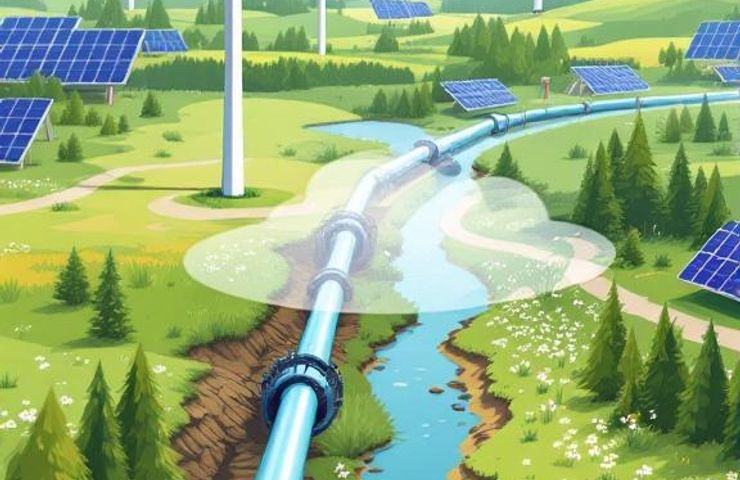
Imagine this: the same steel arteries that have shuffled natural gas around since the 1960s are about to start handling Green Hydrogen. No sci-fi dream here. By retrofitting compressor stations and reinforcing pipeline sections, Amber Grid plans to pump hydrogen—either mixed with natural gas or flowing in its own dedicated lines—throughout Lithuania.
But there’s more. A parallel web of pipes will tackle captured CO₂, shipping it from heavy-industry hubs straight to underground storage sites. Together, these twin networks will form the skeleton of low-carbon gas flows, tying renewable power, factories, and sequestration spots into one tidy system.
Forget the old gas game
Back in the day, Lithuania was at the mercy of Russian imports, vulnerable to political upheaval and price swings. Since breaking free in 1990 and signing on with the EU in 2004, the country has diversified—building an LNG terminal at Klaipėda and reverse-flow links to Poland. Yet the jolts from 2022’s Ukraine crisis made one thing clear: you can’t put all your eggs in one basket.
Local reserves? Practically nonexistent. Global gas markets? Wildly unpredictable. Building new pipelines from scratch or drilling fresh wells is one route, but it’s slow and pricey. Instead, upgrading the existing grid offers a faster, more budget-friendly path to decarbonization—if you can tame hydrogen’s finicky molecules and tricky material quirks.
The magic ingredient: pipeline revamp
Here’s the skinny on how it all works. Certain pipeline stretches will get a makeover with hydrogen-tolerant steel or polymer liners. Compressor stations will be retrofitted with hydrogen-rated seals plus sensors fine-tuned for its smaller molecules. And control centers will roll out expanded EECS protocols, making sure every kilowatt-hour’s origin—whether from biomass, solar electrolysis, or blended flows—gets tracked.
How do you make the Green Hydrogen? Electrolyzers powered by offshore wind farms in the Baltic and solar farms down south will split water into hydrogen and oxygen. That green hydrogen then slides into the grid, cutting CO₂ from gas-fired plants while making full use of existing rights-of-way.
To top it off, Amber Grid is deploying digital-twin models that simulate hydrogen flows under different pressures and temps. These virtual stand-ins let engineers tweak operations long before anything hits the real-life network.
On the CO₂ Transport side, carbon captured at cement works, fertilizer plants, and power stations will be pressurized and fed into a dedicated pipeline system. Those streams converge at designated geological storage sites, where the CO₂ can rest safely underground.
What’s in it for Lithuania?
First up: true Energy Independence. No more sweating under the thumb of a single supplier or fretting over sudden cut-offs. Lithuania will be able to produce, certify, and dispatch low-carbon gases right at home—way more autonomy than just flipping on an LNG terminal.
Second: economic kick. The plan taps into major EU funding pools like the Recovery and Resilience Facility and aligns with the EU Green Deal. Every phase—from relining pipes to installing electrolyzers—will spark skilled jobs, local contracts, and R&D spin-offs.
Plus, as the go-to issuer of renewable gas guarantees, Amber Grid could expand its role as the Baltic region’s energy certificate authority.
Third: regional leadership vibes. By carving out a cross-border Green Hydrogen Corridor, Lithuania could link up with Poland’s hydrogen efforts and Latvia’s grid, opening the door to export opportunities and cementing the Baltics as a green gas powerhouse.
Follow the money: EU funds meet board approval
How do you raise €3.3 billion? Amber Grid plans to mix its own cash reserves, corporate bonds, bank loans, and hefty EU grants. With the board’s green light in hand, the next stop is a shareholder vote on the 2025 financial plan—primed to kick off capital flows in early 2026.
For smooth sailing on permits, they’re coordinating tightly with Lithuania’s regulator and EU bodies, mapping a streamlined approval process for pipeline retrofits and compressor upgrades.
This funding blueprint is right in step with EU directives on hydrogen networks and CO₂ Transport corridors. By locking in technical standards, certification rules, and funding paths now, Amber Grid aims to dodge the permit bottlenecks and patchy grids that have tripped up other regions.
And they’re keeping it transparent—pledging quarterly updates that track investment milestones alongside environmental goals and energy independence metrics.
Zooming out: a Baltic blueprint
If this strategy pans out, it’s not just Lithuania that benefits. The Baltic states share similar infrastructure, history, and a hunger to ditch fossil-fuel dependence. Success here could spur neighbors to replicate—or even connect—their networks.
Picture this: Finnish wind parks feed electrolyzers in Estonia, the hydrogen flows through Latvia, powers up industries in Lithuania, then heads south to Poland. Layer in CO₂ Transport pipelines beneath, and you’ve got a true low-carbon gas superhighway slicing across multiple countries. That kind of pan-Baltic Hydrogen Infrastructure has never been attempted at this scale.
Sure, hurdles remain—material wear, compression efficiency, and cross-border regulatory harmony—but every pilot, tweak, and retrofit brings the region closer to an integrated energy market untethered from single-supplier risk.
Final shot
This is way more than just another pipeline facelift. It’s a strategic pivot, rewiring Europe’s gas arteries for a decarbonized tomorrow. By mixing Green Hydrogen, robust CO₂ Transport, and airtight certification under the EU Green Deal, Amber Grid is steering Lithuania toward 2035 with fresh jobs, bold autonomy, and a blueprint for future Hydrogen Infrastructure. Are you ready for the next wave?
 With over 15 years of reporting hydrogen news, we are your premier source for the latest updates and insights in hydrogen and renewable energy.