Green Hydrogen Powers China and India's Strategic Energy Push
China and India roll out state-backed green hydrogen initiatives to shift from coal, bolster energy security and capture global markets amid Western pullback.
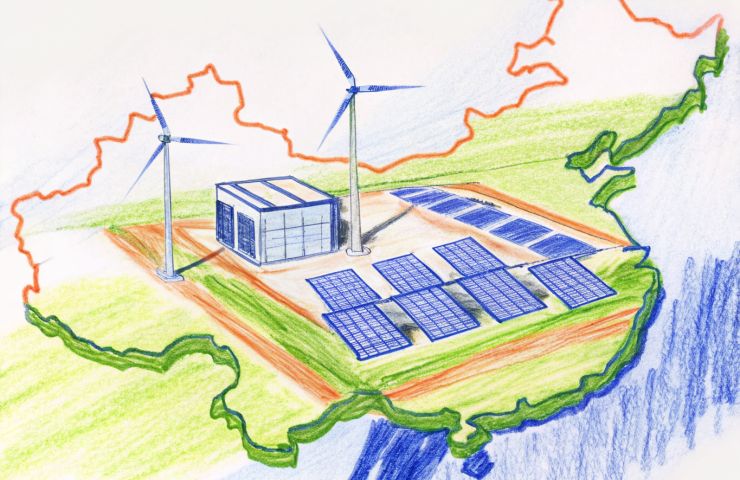
Everyone’s talking about a clean energy future—and China and India are determined to put green hydrogen front and center. Both governments just rolled out big, state-backed plans this month that lean heavily on producing hydrogen via electrolysis, powered by renewables. Their goal? Break free from coal-driven methods and stake a claim in the next wave of sustainable energy.
Beijing is dreaming big, according to Reuters. It’s offering subsidies, cutting through permit red tape and pumping research funds into electrolyzer innovation, all to fast-track projects that tap solar and wind for splitting water into hydrogen and oxygen. The goal? Keep its clutch on hydrogen production even as the sector pivots away from coal, and cement its dominance by making green hydrogen both cheaper and easier to roll out. It’s a full-court press to stay ahead of the pack.
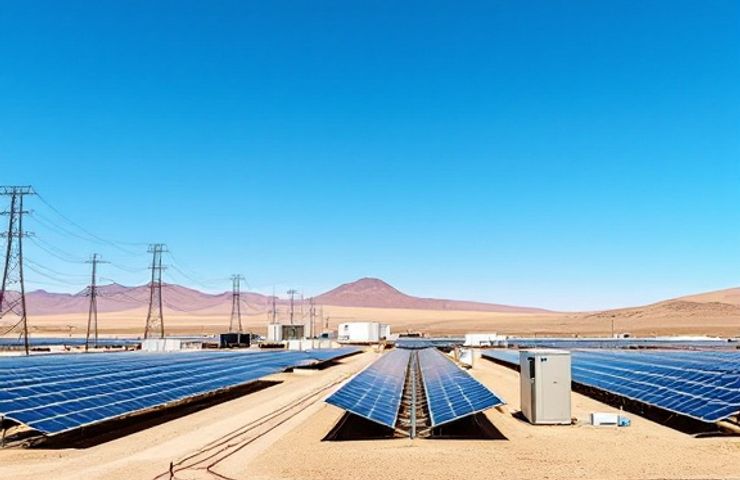
New Delhi, meanwhile, is carving its own path. While it hasn’t shared hard numbers yet, draft policy notes and expert chatter hint at a plan to leverage India’s vast solar resources—think Rajasthan and Gujarat—to churn out green hydrogen for homegrown industries and, down the line, export markets. The hope is that ramping up green hydrogen makes fossil fuel imports less of a headache and gives the nation’s energy security a serious boost.
The story isn’t just about energy—it’s a playbook written over centuries. From ancient Silk Road trade to shared Buddhist influences, China and India have been entwined for millennia. Sure, the 1962 border skirmish left scars, but recent years have seen a pragmatic turn toward collaboration. Now, clean energy adds a new twist: it’s both a space to team up and a stage for rivalry, especially as Western green hydrogen subsidies start to cool off.
Strategic Moves Beyond Coal
For years, China’s hydrogen scene was all about coal gasification—think carbon-heavy feedstocks. But now Beijing’s flipping the script by backing electrolysis plants that run on wind and solar. Government policies are nudging utilities to earmark part of their renewable power mix for hydrogen projects, while research labs are busy finetuning electrolyzer performance. The goal? Break the link to coal and make clean hydrogen the new baseline in the push for sustainable energy. It’s a bold shake-up of the traditional hydrogen playbook.
Building the Infrastructure
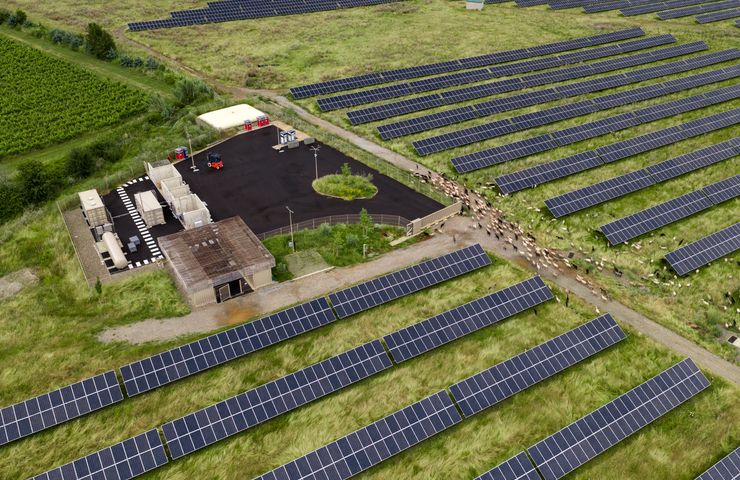
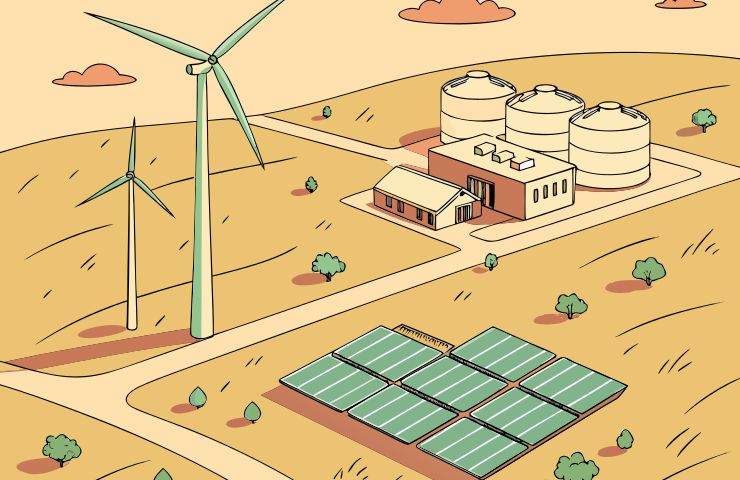
Turning green hydrogen into reality at scale means building out a full-blown hydrogen infrastructure: think pipelines, storage sites and transport links. Both capitals are plotting “hydrogen highways” to connect big production zones with heavy industry. In China’s case, coastal provinces with sea breezes are prime for massive wind-powered electrolyzers, while India’s sun-soaked deserts in Rajasthan and Gujarat are on the map for large solar-driven plants. It’s about stitching together a network that can handle the volume and keep costs down.
Economic and Geopolitical Ripples
As Europe and North America dial back subsidies, China and India spot a chance to capture global market share. Expect technology-transfer deals, juicy joint ventures and some fierce price competition. On the plus side, new jobs in renewables could cushion coal sector layoffs. On the flip side, ramping up capacity too fast risks a glut. Policymakers will need to keep a close eye on supply and demand to avoid costly bottlenecks.
Technical Hurdles and Opportunities
Of course, electrolysis isn’t cheap—yet. Both countries are betting on economies of scale and tumbling renewable power costs to narrow the gap with traditional hydrogen methods. Alongside that, state-funded and private research teams are tinkering with better electrolyzer materials and smarter system designs to boost efficiency and longevity. If they crack this code, we could see a real step-change in affordable, clean hydrogen production.
Global Supply-Chain Impacts
China and India aren’t just looking inward—they want a slice of the worldwide hydrogen pie. By exporting green hydrogen or its derivatives, they could carve out real clout in energy geopolitics, especially in markets starved for renewables. Plus, watch for joint efforts to set common rules on standards and certifications—diplomatic feels can shape the next-gen sustainable energy economy as much as technology does.
The Western Retreat and Asian Opportunity
As Europe and parts of North America pull back or stall their green hydrogen subsidies, the West’s momentum is hitting a bit of a lull. Cash-strapped budgets and new policy priorities have some governments hitting the brakes on big electrolyzer bets. That slowdown is a golden opportunity for Asia. China and India are jumping in with both feet—pouring capital into projects, giving clear regulatory signals and wooing foreign tech partners who once set their sights on Western markets. Equipment makers from Europe are already lining up new factories in China, while shipping and logistics firms map out fresh routes from Asian hydrogen hubs to buyers in Southeast Asia and the Middle East.
Collaborative Potential and Tensions
It’s not all rivalry—there are glimmers of teamwork too. State-backed think tanks in both countries are quietly swapping data and best practices on electrolyzer durability and integrating renewables. But long memories and geopolitical frictions still hang in the air. A spat over trade corridors or export rules could put a dent in progress. Add in the scramble for platinum-group metals and other critical raw materials, and you’ve got a logistical puzzle. Coordinating procurement and untangling supply-chain snarls will be key if they want to keep costs under control.
What Comes Next?
All eyes will now be on the details. As both governments flesh out capacity goals and rollout timelines, transparency will be vital. Investors and big industrial buyers are itching to see whether these new incentives actually turn into humming electrolyzer plants. For anyone tracking hydrogen’s next act, China and India’s playbooks could define the tempo of global decarbonization. At the end of the day, success hinges on building a true ecosystem—linking researchers, utilities, logistics providers and the companies that will burn the fuel.