
Green hydrogen powers local ammonia production in Moree
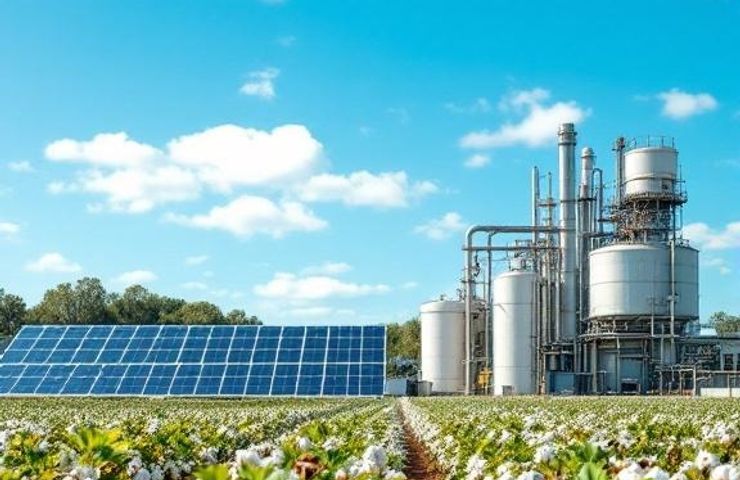
March 17, 2026Picture endless rows of cotton stretching out under bank upon bank of solar panels, soaking up sunlight—and not just to power your lights, but to literally grow the fertilizer that feeds the fields. That’s the plan just outside Moree, in northern New South Wales, thanks to the Good Earth Green Hydrogen and Ammonia Project. A partnership between Hiringa Energy and Sundown Pastoral Company, this AUD$71.6 million venture is set to churn out around 4,500 tonnes of green ammonia and roughly 224 tonnes of green hydrogen every year for local farms.
At its heart, the project ditches the old, gas-guzzling way of making ammonia—where hydrogen is ripped from natural gas—and replaces it with renewable electricity. The switch could really trim agricultural emissions in a region that’s been pumping out ammonia-based fertilizer via steam methane reforming for ages.
Traditional ammonia production isn’t exactly energy-friendly—it gobbles up power and spews greenhouse gases into the atmosphere. Globally, fertilizer plants siphon off about 1–2% of all energy and punch out a similar slice of CO₂ emissions. By swapping in green hydrogen, the Good Earth project sidesteps most of that pollution and plugs right into wider efforts to industrial decarbonization.
Localised ammonia production for farming
What makes this facility really stand out is its location and scale. It’s pitched at the Wathagar Cotton Gin, just over 30 kilometres south-west of Moree—right smack in Sundown’s Keytah cotton farm footprint. Having the plant on-site means farmers get their low-carbon fertilizer faster, with fewer transport headaches and less room for supply snafus.
That setup lets Sundown swap out diesel-derived ammonia for a cleaner option, chopping down those pesky Scope 3 emissions that lurk up and down the supply chain. And if there’s any extra green ammonia, it’ll be up for grabs by neighbouring growers keen to shrink their carbon footprint too.
How sunlight becomes fertilizer
The magic recipe here is a mash-up of tried-and-true industrial moves, but dressed in renewable gear. First, solar farms beam electricity to the site. There’s already an 8.65 MW solar array in action, and plans are rolling out for a fresh 27 MW expansion coupled with a 30 MWh Battery Energy Storage System. When clouds roll in or night falls, those batteries kick in so the electrolyser never misses a beat.
Thanks to electrolysis, water splits into oxygen and hydrogen with zero carbon baggage. That squeaky-clean hydrogen then dives into the Haber-Bosch process, teaming up with nitrogen from the air under heat and pressure to churn out ammonia. It’s the same chemistry used for decades, but with a green twist.
Backing from government and communities
Getting a full-scale plant off the ground isn’t just about solar panels and fancy chemistry. The NSW Government has chipped in AUD$45.2 million, plus another AUD$9.4 million via the Net Zero Manufacturing Initiative. Ministers Penny Sharpe, Paul Scully and Tara Moriarty have been all smiles, highlighting how this project tackles emissions in a tough sector like agriculture, cuts down on transport, and sparks jobs in the regions.
Speaking of jobs, we’re looking at roughly 60 roles during construction and about 10 permanent gigs once everything’s running. For a rural spot used to manual labour and diesel-pump irrigation, these positions bring fresh skills in renewable energy ops and hydrogen infrastructure.
Balancing capital and returns
Sure, AUD$71.6 million isn’t pocket change, and it underscores how capital-hungry green hydrogen and ammonia production can be. But investors and governments are warming up to green chemistry. Hitting financial close in mid-2025 was a solid vote of confidence. Now, the partners just need to keep tabs on market prices for both ammonia and hydrogen, and lock in offtake agreements to smooth out the revenue side of things.
Lessons from across the ditch
Just across the Tasman, Hiringa Energy has greenlit a 5 MW electrolyser in South Taranaki, New Zealand, powered entirely by renewables. That project’s final investment decision offers a sneak peek into what works—from permitting to supply chain logistics. Lessons learned there could grease the wheels at Moree, especially when it comes to sourcing kit and keeping the community onside.
Overcoming operational challenges
Of course, you can’t just plug in an electrolyser and hit easy mode. Scaling up electrolysis and syncing it with a conventional Haber-Bosch process on a regional level means navigating a learning curve. Operators will fine-tune energy flows, iron out downtime risks, and lock down maintenance routines for both solar arrays and the electrolyser. They’ll also stay in close contact with the local grid operator to keep everything balanced on the Wathagar line.
Community and environmental impacts
Beyond slicing emissions, the ripple effect could be huge for Moree. Local workforce training could boost skills in renewable energy and industrial decarbonization, and nearby businesses—from equipment suppliers to service providers—stand to gain. Plus, fewer diesel tanker runs and lower NOₓ emissions from fertilizer transport should help freshen up air quality along regional roads.
From financial close to first batches
With financial close ticked off in mid-2025, construction can now crank up. The goal? Early 2027 for first green batches, giving teams time to install the new solar arrays, battery storage, electrolyser, and ammonia synthesis modules. A link-up with the Wathagar substation will provide grid backup, smoothing out any dips in generation. Once up and running, the plant will split its green hydrogen output between on-farm uses—like ditching diesel in irrigation pumps—and ammonia production for fertiliser. It’s a tidy example of one renewable-focused site meeting multiple agricultural needs.
Looking ahead
Zooming out, projects like Good Earth show how industrial decarbonization can take root far from big cities and ports. They remind us that tackling climate change often means tweaking time-tested processes instead of reinventing the wheel entirely. We’ll be watching to see if the plant hits its volume targets, keeps costs in check, and keeps local farms coming back for more. Pulling this off could be a game-changer for Australia’s push to decarbonise some of the toughest sectors. Talking about green hydrogen is one thing, but watching it fertilise fields? That’s proof that sustainable solutions can take root—quite literally—where it matters most.


 With over 15 years of reporting hydrogen news, we are your premier source for the latest updates and insights in hydrogen and renewable energy.