Green Hydrogen Production Collaboration Heats Up: Colombia and Germany Leading the Charge
Colombian firms and German partners are fast-tracking green hydrogen production projects through intensive meetings in Berlin and Hamburg, bridging renewable resource potential with industrial decarbonization needs.
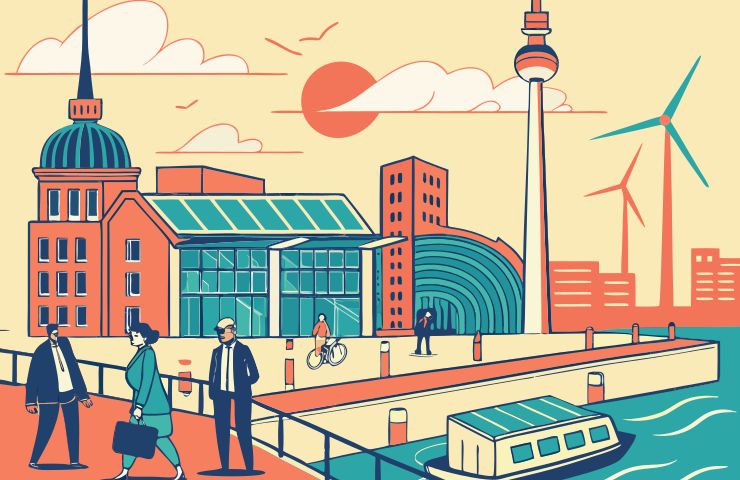
Berlin and Hamburg are absolutely buzzing right now! Colombia’s ambitious renewable vision is aligning perfectly with Germany’s push for decarbonization. Just this month, five Colombian energy companies spent a whirlwind week packed with meetings alongside over 20 German ministries, tech providers, and port operators. Their goal? To kick-start green hydrogen production projects that tap into Colombia’s rich wind and solar resources while satisfying Germany’s increasing hunger for imported hydrogen.
Setting the Stage in Europe’s Innovation Hubs
In Berlin, the Colombian delegates dove right into the heart of German policy and innovation. They had some face time with officials from the Federal Ministry for Economic Affairs and Climate Action and even checked out top-notch research centers that are pioneering hydrogen production methods. Just a train ride away, Hamburg is shaking things up at its historic port, transforming it into a leading hub for hydrogen infrastructure. Projects like the upcoming 100 MW electrolyser at the Moorburg site and an ammonia import terminal operated by Mabanaft are just a glimpse of how port logistics can boost the hydrogen energy narrative.
A Game-Changer in Green Hydrogen Production
Colombia’s making some serious strides here, laying a solid foundation with over ten pilot plants focused on generating low-carbon hydrogen from renewable sources for everything from homes to transportation and industrial use. They’ve even penned a landmark memorandum with the Fraunhofer Society, digging into Colombia’s export potential, especially from its Caribbean coastal states. Central to Colombia's approach is its Hydrogen Roadmap, which aims for scalable green hydrogen output to drive down emissions and create new export opportunities.
Collaborative Ecosystem Ignites Momentum
This week of meetings didn’t just pop up out of nowhere; it builds on years of collaboration. Through the German-backed H2-diplo program, study tours to Berlin and Hamburg have been organized, and the binational High-Level Green Hydrogen Committee is actively steering future projects. Events like the LAC H2 Summit have drawn around 500 stakeholders—from financiers to policymakers and industry players—connecting them all in a robust network aimed at sharing clean hydrogen news and laying the groundwork for future clean hydrogen offtake agreements.
Port Hubs and Infrastructure: A Strategic Focus
Port-based hydrogen hubs are turning out to be crucial players in this game. Hamburg’s emerging terminal infrastructure is set up to handle ammonia and various hydrogen storage carriers, with facilities ready to convert these back into pure hydrogen or feed directly into local industries. Meanwhile, Colombian regions like Atlántico, Bolívar, and Valle del Cauca have been earmarked for export-oriented hubs. Picture local solar and wind parks connecting to massive electrolysers and shipping terminals—now that’s a vision!
The Road Ahead: Scaling Renewable Hydrogen
This week of conversations in Berlin and Hamburg marks a significant shift from just talking to putting real plans into action. Colombian companies are gaining firsthand insights into German technical standards, logistics, and financing models for megawatt-scale electrolysis. On the flip side, German partners are deepening their understanding of Colombia’s abundant resources and regulatory goals. As both sides work on feasibility studies and explore investment opportunities, this partnership is giving us a sneak peek into the future of hydrogen production: a bridge connecting renewable-rich exporters with industrial importers.
With the right institutional frameworks in place and growing momentum, Colombia and Germany are paving the way for a cleaner and more interconnected hydrogen economy. Exciting times ahead!