Green hydrogen production expands with Asahi Kasei’s Aqualyzer™-C3 at Finland’s first commercial station
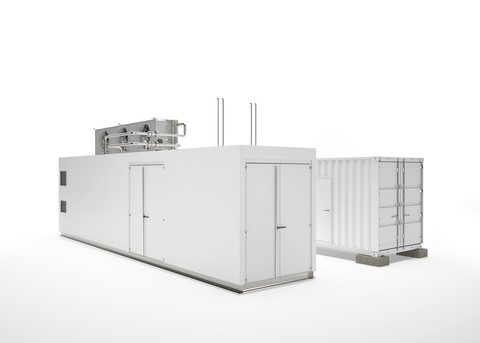
March 16, 2026It’s making waves in sustainable mobility: Asahi Kasei, the well-known Japanese chemical powerhouse, has just started setting up its containerized Aqualyzer™-C3 alkaline electrolyzer at Cefmof Hydrogen Oy’s hub in Jyväskylä, Central Finland. For the first time ever, we’ll get on-site hydrogen production feeding Finland’s trailblazing commercial hydrogen refueling station. It’s a down-to-earth answer to the heavy transport decarbonization challenge.
Run by Cefmof Hydrogen Oy, part of the Central Finland Mobility Foundation, this station has been humming away since summer 2025, trialing fuel cell buses, trucks, taxis and vans. Up until now, P2X Solutions was the go-to for refills. But by switching to on-site hydrogen production and real-deal green hydrogen production, those supply chain headaches and long-haul deliveries are history.
Historical context: Finland’s hydrogen journey
Believe it or not, Jyväskylä’s hydrogen story really picked up steam last summer when this spot became Finland’s first commercial hydrogen refueling station. That initial run used green H₂ shipped in by P2X Solutions, powering everything from city buses to delivery vans. But Finland didn’t just start with a blank slate—projects like Vireon Hydrogen’s planned network and Energiequelle’s demo in Oulu had already set the stage. What makes Jyväskylä special is how this university city—home to about 278,000 people—has morphed into a hotbed for green innovation. Nestled in Seppälänkangas, the station taps local wind and hydro resources, ticking all the boxes laid out in the Finnish Hydrogen Cluster roadmap. Early cold-weather tests also taught us a ton about moving compressed H₂ through sub-zero roads, pushing storage and pump tech to adapt to Nordic chills. From lab demos to real-world green hydrogen production deployment, Finland is sketching out a playbook that other chilly regions can use too.
From pilot phase to on-site green hydrogen production
At Kuormaajankaari 4, the station has been Finland’s go-to test ground for public transport pilots—think heavy-duty buses and trucks—thanks to its rich wind and hydro backdrop. Now, with the Aqualyzer™-C3 alkaline electrolyzer rolling in, it’s not just a hydrogen refueling station anymore; it’s a lean, green mini plant for on-site hydrogen production. And this isn’t a gimmick—it’s a calculated play that lines up with Finland’s Hydrogen Economy Roadmap and the EU’s Alternative Fuels Infrastructure Regulation (AFIR), both of which shout out the need for scalable, local green hydrogen production for heavy transport.
The Aqualyzer™-C3 secret sauce
So what’s so cool about the Aqualyzer™-C3? It’s essentially a plug-and-play alkaline electrolyzer in a container: you feed it electricity and water, and it churns out hydrogen and oxygen. Because it’s modular, you can bolt it onto an existing site—no need for a full-blown construction project. And since alkaline electrolysis is a well-established process, it naturally copes with fluctuating power—perfect for a chilly, off-grid spot like Central Finland. As for output, Asahi Kasei isn’t spilling the exact numbers, but they promise it can keep pace with the station’s demand, serving up a reliable flow of green hydrogen production for buses and heavy-duty rigs.
Scaling up public transport pilots
Why should anyone care? Because heavy transport has been the thorn in the side of CO₂ cuts. Sure, electric buses are popping up in cities, but when it comes to haulage and long-distance routes, batteries can’t quite cut it. That’s where hydrogen shines: high energy density and refueling speeds that rival diesel. By locking in on-site hydrogen production for true green hydrogen production, Cefmof Hydrogen Oy can promise a steady flow of fuel and ramp things up as fleets expand. It’s a future-ready move that could see whole convoys of hydrogen buses, coaches, and freight trucks roll out, slicing emissions on stretches where charging stations are few and far between.
Boosting the Nordic hydrogen corridor
The bigger picture? Finland’s keen on stitching its hydrogen hotspots together, ramping up links through Scandinavia and into the Baltics. Each station you plug in amps up energy security and gives the grid a little more wiggle room. Think plug-and-play Aqualyzer™-C3 modules popping up in Oulu, then heading south to Estonia, all fed by Nordic wind and hydro power. And here’s the cherry on top: this playbook fits neatly into the EU’s evolving rulebook, like the AFIR guidelines that mandate hydrogen refueling station points on major transport arteries.
Collateral impacts: cleaner fleets and local jobs
This goes far beyond just fueling vehicles—it’s a boon for jobs too. From building the containers to hooking up the system and keeping it running, local contractors will be busy for years. And the environmental upside is huge: swapping out diesel for fuel cell buses means hitting zero tailpipe emissions—goodbye CO₂, NOx, and particulates. Local leaders, like the Central Finland Mobility Foundation, can brag about fresher air and hushed streets—wins that everyone from commuters to café owners will appreciate. As on-site hydrogen production cranks up, the station could even double as a training ground and R&D hotspot, sharpening skill sets and burnishing Jyväskylä’s badge as a green-tech capital.
Challenges and solutions ahead
Of course, nothing’s ever plug-and-play in real life. You’ve got to wrestle with grid capacity, permits, and plugging variable renewables into the mix. Finnish winters throw in another curveball: you need top-notch heat management to deal with the chilly temps and the electrolyzer’s waste heat. Luckily, the modular Aqualyzer™-C3 is built to be a team player—it pairs up nicely with local storage or heat-recovery systems to keep the show running. And with the EU’s AFIR framework setting the ground rules for station specs and corridor coverage, everyone’s on the same page. As data rolls in, Asahi Kasei and Cefmof will be tweaking control systems and testing microgrid setups so the station won’t break a sweat, no matter how low the mercury drops.
Built for the future and next steps
Dead set on steering the energy switch, Asahi Kasei and Cefmof Hydrogen Oy will be watching this pilot like hawks, tracking everything from uptime to cold-weather performance. Thanks to the containerized design, any tweaks or lessons learned can be quickly rolled out to other sites—urban stops or off-the-grid locations. Down the line, they might hook up waste-heat recovery or experiment with synthetic fuel loops. For now, though, it’s all about proving that on-site hydrogen production with an alkaline electrolyzer can keep heavy transport humming without a hiccup.
Bottom line? Moving from trucked-in hydrogen to on-site hydrogen production at Finland’s maiden commercial hydrogen refueling station is a game changer. It shrinks carbon footprints, cuts straight through logistics snarls, backs the national hydrogen roadmap, and lays the tracks for a sturdy, interconnected Nordic-Baltic hydrogen network. In plain terms: this is a big splash that heralds a fresh chapter in heavy-duty transport decarbonization here in Finland—and beyond.

 With over 15 years of reporting hydrogen news, we are your premier source for the latest updates and insights in hydrogen and renewable energy.