Green Hydrogen Production Fuels Morocco’s Decarbonized Molecules Strategy
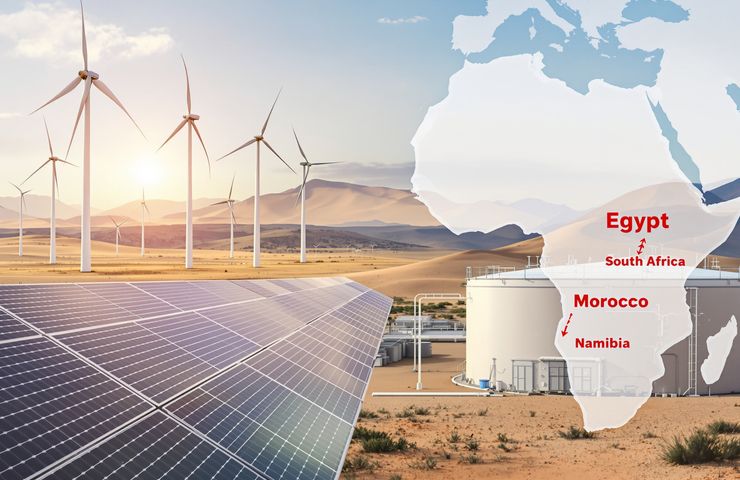
Morocco is leveraging its solar and wind resources, diplomatic momentum and landmark projects like HydroJeel and ORNX to become a key supplier of green hydrogen, ammonia and e-methanol to Europe’s decarbonization efforts.
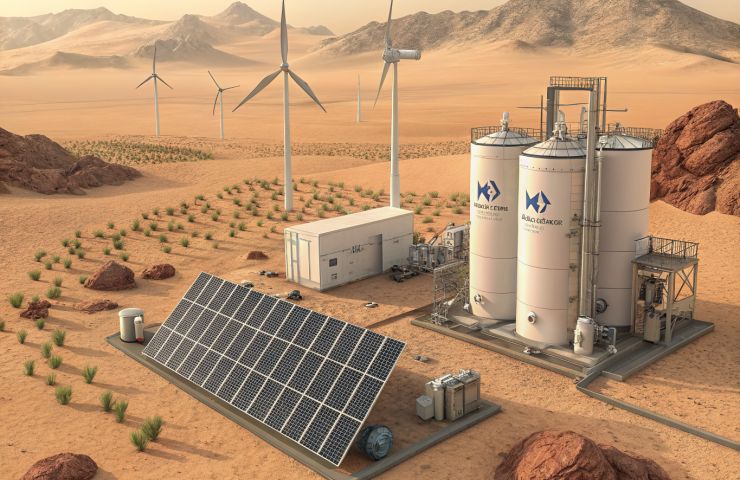
As Europe races to secure hydrogen production, Morocco is stepping up to offer green hydrogen, green ammonia, and e-methanol to the global market. Back in April, Morocco’s Foreign Minister Nasser Bourita and Germany’s Foreign Minister Johann David Wadephul made headlines with a joint declaration, both committing to a closer collaboration in areas like renewables, hydrogen, and the digital landscape. The day before this announcement, leaders in the national green hydrogen cluster gathered in Fes to chat about the future of decarbonized molecules. This growing partnership highlights a major shift in Morocco’s energy diplomacy, aligning innovative projects with Europe’s push to diversify its clean energy imports and modernize its industrial supply chains.
Making the Most of Solar Riches for Decarbonized Additional
Morocco’s National Energy Strategy, launched back in 2009, laid down the groundwork that led to an impressive 37% of its energy coming from renewables by 2020, with a bold target of reaching 52% by the end of this decade. Thanks to the country’s exceptional solar irradiance—among the highest in the world—and solid wind resources in the southern provinces, especially around Laâyoune and Dakhla, it’s got a prime setup for hydrogen production. Upgraded port projects at Nador West Med and logistical hubs in Safi are set to strengthen export routes. With nearly 38.7 million residents and a GDP per capita of around $3,600, Morocco is working to balance its growing domestic needs while aiming to be a key player in the export of zero-emission molecules.
From Electrolyzers to Ammonia Plants: Technical Foundations
Green hydrogen is made using electrolysis, where renewable electricity powers cells that break water down into hydrogen and oxygen. Big projects like ORNX are looking to tap into around 2 GW of solar and wind capacity to keep electrolyzers running, which usually need about 50 kWh of power just to produce a kilogram of H₂. Once produced, the hydrogen can be compressed or stored in salt caverns and tanks, or directly sent to synthesis units. In the Haber–Bosch process, green hydrogen combines with nitrogen, pulled from the air, to create green ammonia under high pressure and temperature conditions with specialized catalysts. Innovative, flexible Haber–Bosch units developed by European research groups can adjust pressure in real-time to align with renewable energy availability. Similarly, e-methanol is produced by mixing captured CO₂—whether from the air or industrial emissions—with green hydrogen, resulting in a low-carbon fuel perfect for shipping and chemical feeds.
Major Projects Driving Scale
The state-owned OCP Group is leading the charge with the HydroJeel platform at Jorf Lasfar, boosted by a €30 million investment from the German PtX Development Fund. By next year, HydroJeel aims to produce 100,000 tons per year of green ammonia, aiming to replace millions of tons of grey ammonia imports and reinvigorate Morocco’s fertilizer sector. At the same time, the ORNX consortium—made up of US-based Ortus, Spain’s Acciona, and Germany’s Nordex—has secured land in Laâyoune for a $4.5 billion green ammonia facility. The first phase is set to see 100,000 tons of green hydrogen feeding into 560,000 tons of ammonia production with the power of around 2 GW of renewables, with plans to expand beyond the initial phase into Boujdour and Dakhla.
Research Partnerships and Funding
On top of pushing forward with these projects, Morocco is keen on building technology partnerships. In 2025, the OCP Group struck a deal with Germany’s Fraunhofer institutes to co-develop catalysts and digital platforms for ammonia synthesis. The goal here is to create advanced process controls that can ramp up production based on renewable energy availability, minimizing stress on the grid while optimizing energy usage. Conversations are also in progress to localize the assembly of electrolyzers and the fabrication of membranes, which could help reduce Morocco’s dependency on imported tech.
Funding for these initiatives is rolling in from a mix of multilateral organizations, export credit agencies, and private investors. The commitment of €30 million from the German PtX Development Fund for HydroJeel is a clear example of direct backing. The World Bank and African Development Bank are also showing interest in hydrogen corridors across the Maghreb. Making deals with European utilities and shipping companies is crucial for securing project financing. Morocco’s ‘Offre Maroc’ tender framework has attracted bids for electrolysis and compression equipment from companies in Germany, the US, and Spain.
To streamline the process, the Moroccan government has put together a single-window licensing system, reducing the time it takes to get approvals for renewable and hydrogen projects to under six months. They’re offering incentives like corporate tax breaks, carbon credit sharing plans, and government-backed guarantees for desalination infrastructure. A national roadmap outlines goals for grid connections, port improvements, and workforce training through 2028, ensuring coordinated growth across the regions.
Competitive Positioning and Cost Dynamics
Morocco’s cost of electricity from its best solar and wind sites is estimated to be less than $20 per MWh, making it feasible to produce hydrogen in the $1.5–$2.0 per kilogram range. While Gulf countries may still be able to produce it cheaper at scale, Morocco's closer shipping distances to Europe and its integrated value chains—from energy generation right through to ammonia shipping—offer attractive margins. The ability to mix products like ammonia and e-methanol also diversifies revenue streams and protects against swings in commodity prices.
Geopolitics and Market Dynamics
Europe’s need for imports is significant, with estimates ranging from 45 to 90 TWh of hydrogen by 2030, emphasizing the importance of finding low-emission sources outside of Russia and China. Morocco stands out as a stable and favorable investment opportunity, with existing ties under the EU’s Global Gateway program. Initiatives like Germany’s hydrogen import strategy and the US's friend-shoring efforts help reduce risks associated with geopolitical turmoil. Through a strategic dialogue with Germany, both nations have agreed to align industrial strategies, explore digital monitoring for value chains, and facilitate investments in renewable infrastructure.
Building a Cohesive National Ecosystem
In 2023, the Ministry of Industry recognized Cluster Green H2 as the collaborative body for both public and private players until 2028. Their recent E-Ammonia & E-Methanol conference in Fes brought together officials, tech providers, and financiers to navigate the complexities of offtake agreements, regulatory adjustments, and workforce training. The cluster’s roadmap features goals for project approvals, grid connections, and training programs aimed at enhancing local know-how in areas like electrolysis, process engineering, and hydrogen storage.
Navigating Growth While Managing Constraints
While enthusiasm is high, Morocco faces challenges concerning resource management and social/political dynamics. Desalination facilities will be necessary to supply the significant amounts of water needed per kilogram of hydrogen, which will add to costs. Projects in regions like Laâyoune and Boujdour also touch on sensitive territorial issues that investors and officials will need to address. Moreover, ramping up local production of electrolyzers, compression tech, and ammonia synthesis modules relies heavily on technology partnerships with players from Europe and North America.
With solar PV costs dropping a staggering 90% since 2010, Morocco finds itself at a pivotal moment in the world of hydrogen energy. With projects like HydroJeel gearing up and ORNX nearing crucial investment decisions, the kingdom is set to make significant strides in industrial decarbonization. The key to success will involve securing funding, refining policy frameworks, and establishing smart monitoring systems that ensure a steady, competitive supply. All eyes will be on Morocco as it works to transform its sun-soaked landscapes into a leading hub for clean energy that supports the global energy transition.