Green Hydrogen Production Game-Changer: Orica’s Hunter Valley Hub Paves the Way
Orica’s A$432 million Hunter Valley Hydrogen Hub will produce 12 tonnes of green hydrogen daily via a 50 MW electrolyser, cutting up to 800 kt of CO₂ and creating hundreds of jobs.
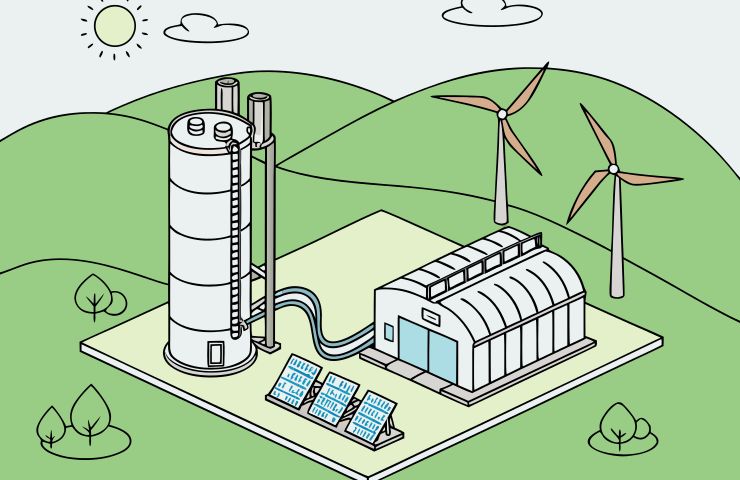
A Clean Energy Revolution in Hunter Valley
Hunter Valley, a place traditionally known for its lovely vineyards and coal mining legacy, is experiencing an exciting transformation into a hotbed of renewable innovation. Just around 160 kilometers north of Sydney and home to around 360,000 people, the region already has an impressive industrial setup, including the Kooragang Island ammonia facility, not to mention easy access to Newcastle port. With strong winds and lots of sunlight, Hunter Valley holds a natural edge for building out large-scale hydrogen infrastructure. By tapping into these renewable resources, local leaders are not just daydreaming; they're turning what used to be a coal-centric area into a model for green hydrogen production. This is inspiring communities across the globe to rethink how we can deploy sustainable technologies in well-established industrial regions. Plus, since the area is a major freight and manufacturing hub, the new hydrogen logistics will seamlessly fit with existing rail, road, and port networks.
A Milestone Collaboration
The Hunter Valley Hydrogen Hub is a great example of what can happen when public and private sectors join forces. Orica, well-known in the explosives and mining services field, has teamed up with the Australian Renewable Energy Agency (ARENA) and the Australian Government to score a massive A$432 million from the $2 billion Hydrogen Headstart program. This makes it the second project selected in a highly competitive round of funding. But it's not just about the money. ARENA not only oversees the funding but also hosts knowledge-sharing workshops and publishes reports to fast-track best practices. Earlier this year, Origin Energy signed a memorandum of understanding with Orica to look into co-investment opportunities, joint power purchase agreements, and commitments to renewable hydrogen offtake. Together, these organizations are trailblazing a public-private partnership that shows how coordinated efforts can push hydrogen energy news into concrete industrial advancements and policy changes.
Game-Changing Green Hydrogen Production
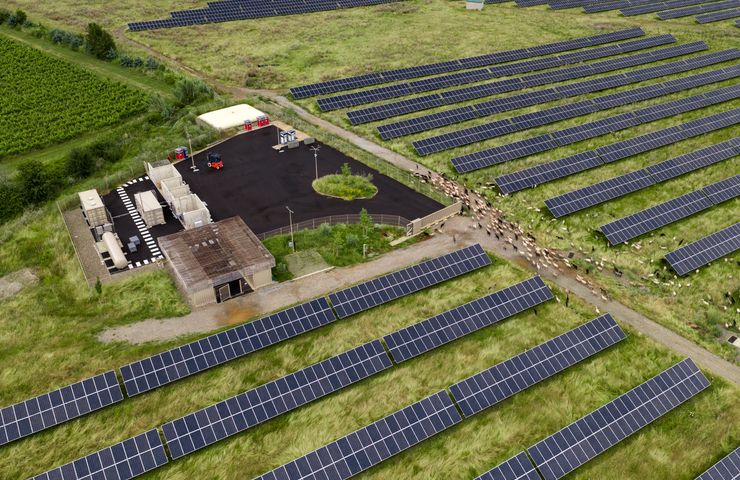
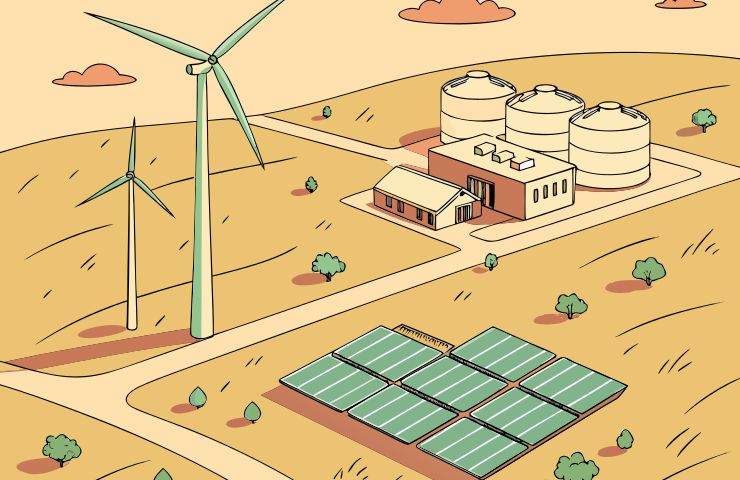
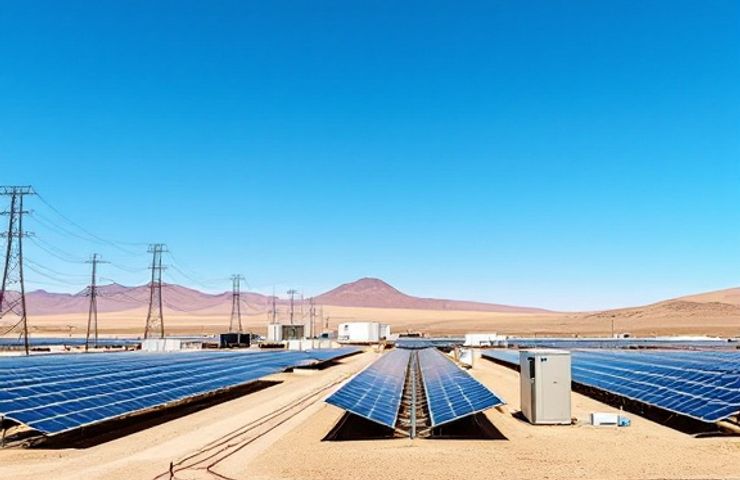
At the heart of the hub is a 50-megawatt electrolyser powered by renewable electricity from nearby wind farms and solar parks. This electrolyser uses a polymer electrolyte membrane to split water into hydrogen and oxygen, all while cranking out zero carbon emissions at the production point. The system’s designed to produce about 12 tonnes of green hydrogen daily, stepping in as a cleaner alternative to natural gas-derived hydrogen in ammonia synthesis. And it doesn't stop there; by capturing and purifying the oxygen that’s a by-product, Orica also supplies high-purity oxygen to local chemical processes, which cuts down the need for dedicated air separation units. With an impressive production efficiency of 60% to 80%, this project fits right in with leading hydrogen production methods while putting a lid on emissions—up to 800 kilotonnes of CO₂ annually! Although Orica hasn’t publicly confirmed the exact electrolyte technology they’re using—whether it’s PEM, alkaline, or solid oxide—it’s clear that the scale of this operation ranks among the largest in the Asia-Pacific.
Driving Economic and Environmental Benefits
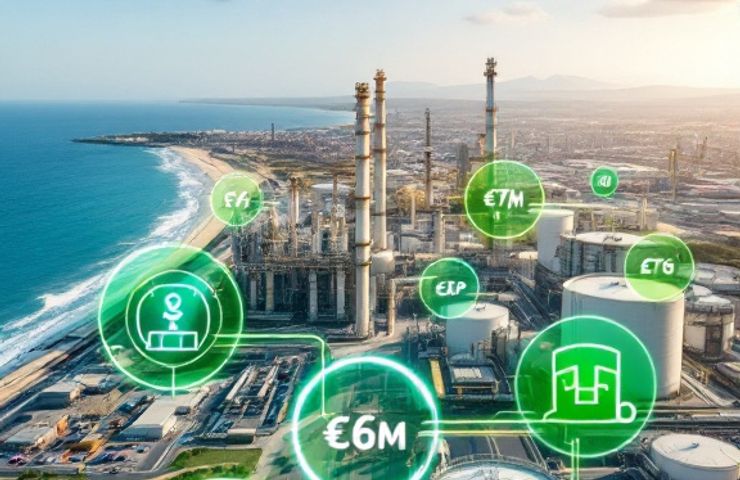
But it’s not just about cutting emissions; the hub is bringing real economic benefits, too. That A$432 million grant is set to create around 300 construction jobs, and it’ll provide about 50 permanent positions for the operation of the electrolyser, hydrogen logistics, and ammonia handling. Local suppliers stand to gain a lot with opportunities to manufacture electrolyser components, boosting the region's industrial capacity. Environmentally, swapping out green hydrogen for steam methane reforming helps prevent CO₂ emissions equivalent to taking about 170,000 cars off the road each year. Analysts predict that green ammonia exports could bring in hundreds of millions of dollars annually by 2030, supporting farmers with carbon-neutral fertilizers while unlocking new trading opportunities in energy-hungry Asian markets. Plus, the facility’s modular design and water recycling pilot program aim to cut down on freshwater usage—a critical factor in New South Wales' drought-prone areas.
Scaling Up Through Phased Expansion
Orica has kicked off this project in clear phases to tackle both technical and market risks. The first phase achieves that 12 tonnes per day capacity, with operations expected to start within a few years. According to ARENA’s knowledge-sharing report, there’s a planned phase two that could double or even triple production, potentially pushing capacity towards 100 megawatts of electrolysis. Of course, that will call for new grid connections and extra renewable power purchase agreements to meet the electrolyser's demand. By taking this step-by-step approach, the team hopes to ramp up electrolyser availability above 85% and drive down green hydrogen costs from the current A$6–12 per kilogram towards a targeted A$4–5 per kilogram. Early results, along with community consultations and partnerships with Indigenous landholders, will inform the next phases and help unlock additional funding.
Leading the Charge Towards a Sustainable Future
Sanjeev Gandhi, Managing Director and CEO of Orica, brings three decades of experience in the chemical industry—including roles at BASF—to spearhead this bold transformation. He’s made it clear that an industry leader needs to be “brave enough” to prove green hydrogen’s viability, even when costs are still on the higher side. This vision aligns perfectly with Australia’s mid-century net-zero goals, the emerging carbon pricing framework, and new emissions reporting standards. Support from government ministers—especially via the Hydrogen Headstart program—has been crucial in managing risks. By demonstrating large-scale hydrogen and green ammonia exports, this hub sets new standards for industrial players who are still reliant on fossil fuels. It sends a powerful message that sustainable technology can indeed thrive at a commercial scale.
A Glimpse into the Future
The Hunter Valley Hydrogen Hub offers a sneak peek into a future where regional networks for green hydrogen work seamlessly with transport infrastructure, data systems, and export supply chains. As electrolyser capacity increases, the local ecosystem might soon support hydrogen refueling stations for heavy-duty vehicles, hydrogen fuel cell news for onsite power backup, and newer hydrogen storage solutions like underground caverns. The hub’s success also helps solidify Australia’s place in a broader Asia-Pacific hydrogen corridor, complementing planned projects in the Pilbara and Griffith regions. When renewable energy zone developments, grid upgrades, and private sector commitments come together, the Valley stands to be a leading example of how renewable energy, innovative partnerships, and phased scaling can revolutionize entire industries—a true game changer in clean hydrogen news and sustainable technology.