
Green Hydrogen Production in Sub-Saharan Africa: From Potential to Projects
June 11, 2026Ever wondered why sub-Saharan Africa, with all that sunshine and wind, hasn’t yet kicked off a revolution in green hydrogen production? You’d think with all that renewable potential, the projects would be popping up everywhere, but unfortunately, many are stalled even before they start. We’ve got energy poverty, outdated power grids, and ports that need a serious upgrade stealing the show. Here’s the catch: while converting clean energy into green hydrogen sounds straightforward, it takes more than just resources—it requires a solid base of water, infrastructure, supportive policies, and financing. Without those essential elements in place, even the most ambitious green hydrogen plans risk becoming nothing more than ideas on paper. So hold on tight—because the real challenges are just getting started!
The Winning Formula Behind Green Hydrogen Production
We’ve all gotten comfortable thinking that cheap solar and wind energy automatically leads to affordable green hydrogen. But here’s the reality check: just having power isn’t enough to build ports and pipelines. Electrolyzers need a continuous supply of power to split water into hydrogen and oxygen, not to mention access to treated water and consistent usage. Sure, lifecycle emissions can be low—but only if renewable generation isn’t pulled away for other clean uses. The financial math behind the entire project depends on more than just the electrolyzers. We’re talking land access, water treatment or desalination, grid upgrades, storage solutions, and offtake deals that ensure there’s actual demand. In a nutshell, clean hydrogen production is all about combining technology with the right supporting ecosystem—something that many places in sub-Saharan Africa are still working to put together. Without these interconnected components, the price of green hydrogen remains too high for most industries and export markets.
A New Lens on an Old Promise
It’s easy to think that turning hydrogen into ammonia might be the simple path to exporting our green gold. After all, ammonia can be transported more cheaply than compressed hydrogen, and many markets know how to handle it. But here’s the rub: converting hydrogen into ammonia involves extra manufacturing steps, all kinds of safety regulations, and additional costs. Then there’s shipping and port logistics to consider. Each step complicates things further: think about sourcing nitrogen, the heat and pressure needed for synthesis, specialized handling at the terminals, plus all those regulations about ammonia storage. For sub-Saharan Africa, this means aligning green hydrogen production zones with compatible ammonia infrastructure and getting shipping lines and chemical buyers onboard for co-investment. Skip just one link in that chain, and the whole economic model could come crashing down.
On-the-Ground Realities
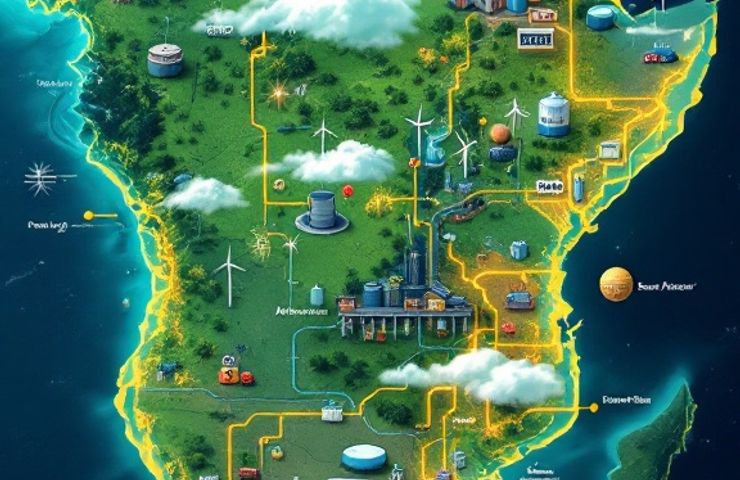
Across the region, governments have kicked off initiatives like the Africa Green Hydrogen Alliance to coordinate policies and create shared corridors. But in reality, the project pipelines are looking pretty sparse. Many announcements—from coastal states to inland industrial areas—are still hanging in limbo as “concept studies” with no clear timelines. The strategic path splits into two directions: one focused on large-scale export hubs by the Atlantic and Indian Ocean coasts, and the other on domestic green hydrogen for fertilizers, steel, or power generation. Export plans demand deep-water ports, consistent shipping routes, and sound regulatory frameworks. On the other hand, domestic applications typically rely on existing industrial clusters, shorter transport distances, and quicker offtake agreements. Which route comes out on top will likely depend on whether you have access to the coast versus existing local demand, as well as attracting financing to match project scales and risk profiles.
Under the Hood: Policy, Finance & Infrastructure
Even the most promising technical ideas can hit a wall without a clear policy roadmap. Developers are hunting for transparent rules on connecting to the grid, standardized land-lease agreements, and water-right permits that don’t take ages to arrange after financing is secured. Of course, you need offtake agreements that can lock in prices for a couple of decades, but many African hydrogen buyers don’t have the credit scores that make international lenders comfortable. That’s where governments might step in with guarantees, concessional loans, or blended finance strategies to lower costs. And let’s not forget that institutional capacity—like project management skills, legal expertise, and engineering standards—is just as crucial as where we find solar energy. Financing platforms run by multilateral development banks and export-credit agencies can help remove risks at early stages, while partnerships with the private sector bring in the muscle needed for execution. Without these frameworks, project sponsors often struggle to piece together investment-grade proposals, which makes banks hesitant to back projects with untested risks.
Scaling Up with Smarter Market Design
The structure of the market will ultimately determine if projects thrive or dive. Auctions for renewable power linked directly to electrolyzers can significantly cut costs if they include clear grid priority and curtailment payment rules. A carbon pricing system or green certificates can create revenue streams for low-emission hydrogen, but that only works with consistent enforcement everywhere. Blending mandates that require a portion of industrial hydrogen or ammonia to come from green sources can help kickstart demand. Plus, cross-border electricity trading agreements could let coastal sites tap into hydro or geothermal energy for electrolyzers, diversifying away from just solar and wind. A smart blend of policy tools—think tax incentives and offtake auctions—can send the right signals for investors to step up with serious capital and keep utilization rates high enough to reach those cost targets.
From Concept to Construction
Making the leap from concept studies to shovel-ready projects largely comes down to how well we can execute. That means building a skilled local workforce trained in specialized areas—from high-voltage grid design to industrial gas handling. We also need solid logistics corridors—roads, rail systems, and ports—that can safely transport both equipment and hydrogen products. Standardizing technical specs so modular systems can be deployed easily at different sites is a must, too. And it’s vital to connect local academic institutions, vocational training programs, and public agencies to ensure we’re developing the skills needed for green hydrogen. Countries that can pull these resources together—like East African states with significant transmission projects or West African ports that already have fertilizer industries—could see earlier benefits from more straightforward permitting processes and quicker construction times.
Why This Could Change Everything
If sub-Saharan Africa turns its rich resource potential into something actionable, the effects could be huge. Green hydrogen could play a key role in decarbonizing transport fuels and as feedstock for fertilizers and refining processes that are currently stuck on fossil inputs. We’re talking about billions in infrastructure investment opportunities—think transmission lines, desalination plants, and industrial ports—fueling even broader economic diversification. Export revenue from ammonia or liquid hydrogen could help boost public finances, while domestic projects could catalyze local manufacturing and create new jobs. Nonetheless, the environmental impact will still depend on how we manage land use and water sources in areas already stressed for water. It’s crucial to engage communities to ensure that the benefits—like local hiring and shared infrastructures—actually reach the people living near these mega-projects. Success won’t just look like hydrogen trains rolling off assembly lines; it’ll look like vibrant new value chains, from solar farms to shipping lanes, that can hang tough through market cycles and climate objectives.
Final Thought
The days of just spotting solar and wind opportunities are behind us. Rolling out green hydrogen in sub-Saharan Africa presents an orchestration challenge—one that hinges on policy, financing, infrastructure, and human talent. Is this a game-changer? Only if we’re ambitious and committed to delivering results. The key question isn’t whether the region has enough renewable energy; it’s whether public and private players can harmonize their efforts to create projects that meet investment standards. If they can nail it, sub-Saharan Africa might just lead the charge in the global green hydrogen news revolution. Let’s move from lofty ambitions to actual deliverables, and transform potential into projects that light the way to a cleaner, more prosperous future.


 With over 15 years of reporting hydrogen news, we are your premier source for the latest updates and insights in hydrogen and renewable energy.