Green Hydrogen Production: Ming Yang Secures License for 8.4 GW Renewables in Ethiopia
Ming Yang Smart Energy Group secured a license from the Ethiopian Investment Commission for a roughly USD 14.1 billion, 8.4 GW renewables project to power green hydrogen and ammonia production in eastern Ethiopia, marking a major step in Africa’s clean energy expansion.
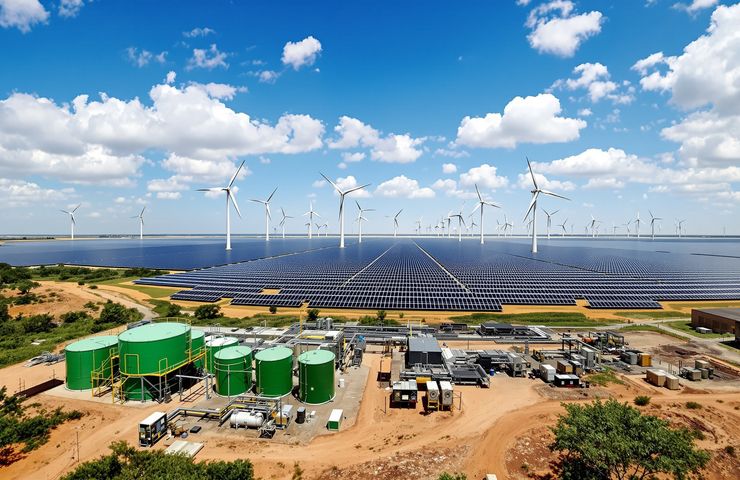
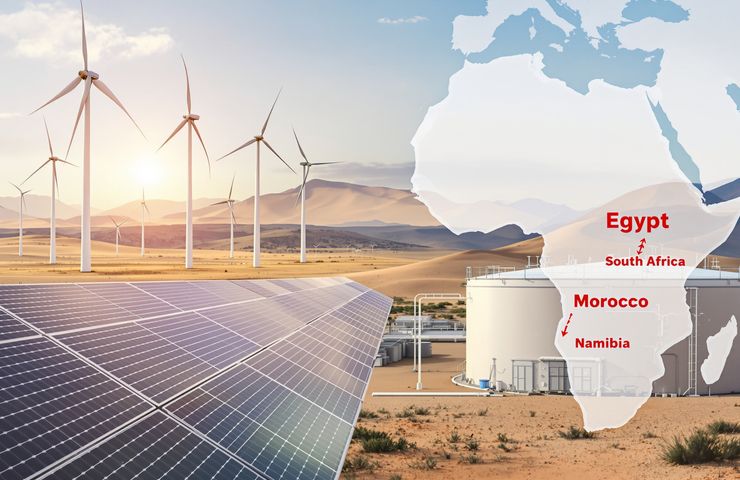
Africa is buzzing with excitement in the green hydrogen space as Ming Yang Smart Energy Group has just snagged an investment license from the Ethiopian Investment Commission. This isn't just pocket change—it's a massive project valued at around USD 14.1 billion! The plan is to set up about 8.4 GW of wind and solar farms, and they’ll be deploying electrolyzers and Haber-Bosch units to produce green hydrogen and ammonia. This follows a USD 10 billion agreement made during the Invest in Ethiopia Forum earlier this year, pushing Ethiopia's ambitions to ramp up its renewable energy capacity. We're talking about a serious game-changer here, as it paves the way for exporting clean fuels, bolsters the country's energy security, and lays the foundation for crucial hydrogen infrastructure.
Established back in 2006 in Zhongshan, China, Ming Yang Smart Energy Group has risen to prominence as a global leader in manufacturing wind turbines and clean energy equipment. Their turbines feature a unique semi-direct drive design that cuts down on gearbox wear and boosts reliability while significantly reducing maintenance costs. Ming Yang isn't just stopping at wind; they’re also diving into solar storage and hydrogen systems. They've even demonstrated an innovative pilot project that produced hydrogen directly from offshore turbines in Hainan. This experience makes them a perfect partner for leading Ethiopia's ambitious renewables-to-hydrogen initiative.
Now, let's talk about Ethiopia’s renewable goldmine. The country boasts over 45 GW of hydropower, close to 10 GW of geothermal energy, and a whopping 100 GW of wind potential—oh, and let’s not forget the high solar irradiation. Their current grid is largely powered by renewables, and the government has set an ambitious target of adding 35 GW of new capacity by 2037. The eastern region, with its sunny plains and strong wind corridors, coupled with underground water sources, is prime real estate for electrolysis. Plus, Djibouti's nearby deep-water ports make exporting green ammonia a breeze, contributing to Addis Ababa’s vision of becoming Africa’s green energy hub.
Bursting with Solutions: Green Hydrogen Production from Renewables
So, how exactly is green hydrogen made? It’s all about using renewable electricity to split water through a process called electrolysis. In this project, wind turbines and solar arrays will power proton-exchange or alkaline electrolyzers, which cleverly separate water (H2O) into hydrogen (H2) and oxygen (O2). The magic happens when you synchronize turbine output with the electrolyzer's needs, overcoming the pesky issue of intermittency with smart power management—minimal battery support and all. An offshore pilot in Hainan ran reliably for thousands of hours, proving this approach can really work. Once produced, the hydrogen is compressed and stored on-site, which cuts down on transmission losses and creates a scalable, low-carbon fuel source.
A Bright Future: Green Ammonia Production
But wait, there’s more! Green ammonia is born when electrolytic hydrogen meets nitrogen from the air in Haber-Bosch reactors—all powered by renewables, of course. This process operates at high pressure and temperature with iron catalysts, crafting NH3 without any CO2 emissions. Ammonia’s high energy density and easy storage make it a go-to for clean fuel and fertilizer feedstock. Plans for facilities include air separation units, synthesis loops, and storage tanks along export routes to Djibouti. By linking turbines, electrolyzers, and ammonia plants, this project stands as a real-world solution to help decarbonize shipping, agriculture, and chemical industries all while tapping into Ethiopia’s renewable bounty.
Strategic Impact: Jobs, Exports, Tech Transfer
This hefty USD 14 billion investment means thousands of new jobs could spring up in construction, engineering, and plant operations. Local communities won’t be left in the dust either—training programs in turbine assembly, electrolyzer maintenance, and chemical processing will empower Ethiopians. Exporting green ammonia will diversify Ethiopia’s economy and create new revenue streams, moving them away from just relying on traditional exports like coffee. Plus, technology transfer is huge—working alongside Ming Yang, Ethiopian engineers will gain hands-on experience with cutting-edge turbines, high-pressure electrolyzers, and Haber-Bosch systems, setting the stage for future homegrown renewable energy initiatives.
Facing Challenges with Smart Planning
Of course, large-scale water use in eastern Ethiopia does raise some sustainability eyebrows, but there are smart solutions at hand. Advanced treatment methods, recycling, and even atmospheric water capture can tackle water scarcity head-on. Upgrading the transmission lines and improving grid access will call for teamwork between utilities and public-private partnerships. Plus, we’ve got to ensure that port logistics in Djibouti expand to handle ammonia shipments smoothly. Financing? That's gotta be balanced too, combining equity, concessional loans, and export credits to avoid debt stress. By implementing strong environmental, social, and governance standards, along with local content mandates, this project can deliver community benefits and build public trust.
Strengthening Ties: A Sino-African Green Partnership
With a clear commitment to leading the energy transition, this partnership also shines a spotlight on China’s green Belt and Road initiative, which is increasingly focusing on climate-friendly investments. Over the last decade, Chinese financing has powered much of Ethiopia's hydropower and grid expansion. Now, Ming Yang is unifying renewable generation, electrolysis, and ammonia synthesis into a single cohesive effort. The real kicker? This could reshape global hydrogen supply chains, with Ethiopia exporting energy-dense ammonia to hot markets in Europe and Asia. If this initiative takes off, it could attract more multilateral support and private investment more broadly to develop regional hydrogen corridors, steering Africa toward a thriving, export-driven green economy.
In a nutshell, this investment license unlocks a roadmap for sustainable industrialization, climate resilience, and export-led growth in Africa. Harnessing top-notch turbine technology alongside abundant renewables, the project builds a robust hydrogen infrastructure and confirms that large-scale green hydrogen and ammonia production is not just a dream but a tangible solution. With a focus on local development and a clear vision for the future, this initiative promises to ignite the next wave of clean energy projects across the continent. It’s a new chapter for Ethiopia and sets a powerful precedent for clean energy transformations in the rest of Africa.
```