Green Hydrogen Production: NewHydrogen Teams with NuCube for Nuclear-Powered ThermoLoop
NewHydrogen and NuCube Energy have signed an MOU to combine ThermoLoop with NuSun microreactors, aiming to use nuclear heat for sub-$2/kg green hydrogen, potentially transforming hydrogen infrastructure.
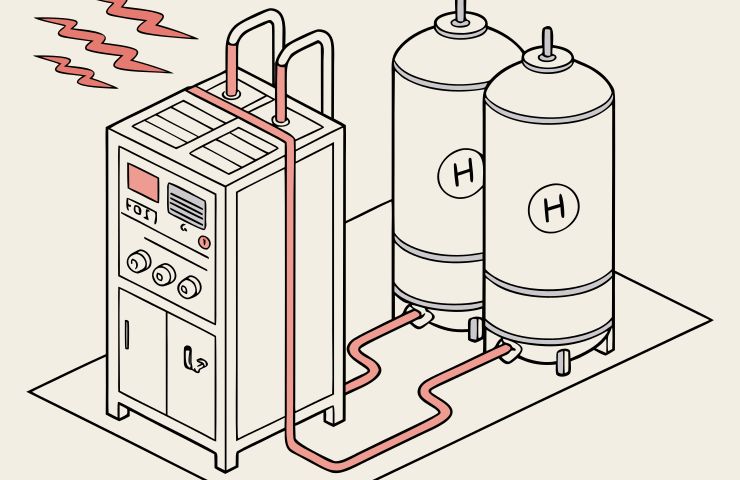
Picture this: a not-so-distant future where tiny nuclear microreactors are generating the heat needed to split water molecules and create clean hydrogen. Sounds like science fiction? Well, it's getting closer to reality! NewHydrogen, a trailblazer based in California, has teamed up with NuCube Energy. They’re taking a hard look at how to combine ThermoLoop, NewHydrogen's innovative process, with NuSun microreactors. This exciting partnership could completely change the game for green hydrogen production and significantly boost hydrogen infrastructure by harnessing high-temperature heat rather than relying solely on electricity. With the demand for zero-emission solutions skyrocketing, this collaboration represents a significant shift towards diverse methods for hydrogen production. For industries looking to cut down on carbon emissions—think steel mills and data centers—nuclear-powered hydrogen might just be the key to turning lofty ambitions into concrete actions in the clean hydrogen news sphere.
Turning Heat into Fuel
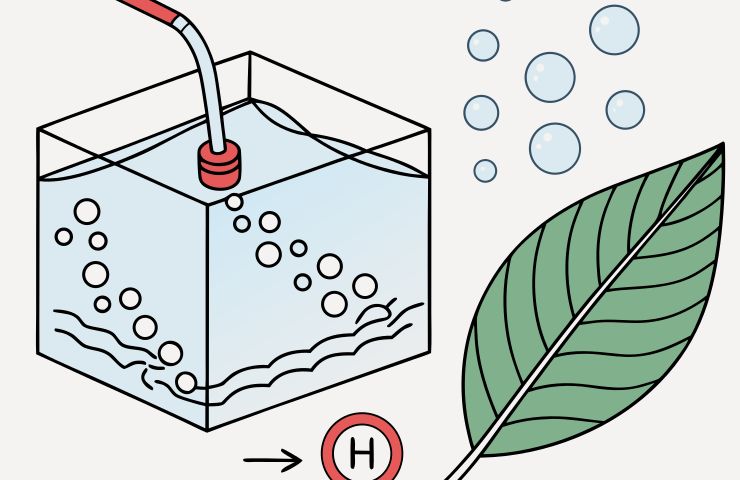
At the core of this partnership is ThermoLoop, a clever thermochemical water-splitting technique that came out of the University of California, Santa Barbara, with a little help from NewHydrogen. Forget about the energy-guzzling electrolysis we often hear about; ThermoLoop makes use of concentrated heat, operating below 1,000°C, to engage in a unique redox cycle using metal oxides. Essentially, it works like this: heat reduces the metal oxide, freeing up oxygen from water, and then the metal oxide reoxidizes to produce pure hydrogen. They’ve already run some successful lab tests, with a recent pre-pilot phase generating over 75 percent hydrogen yield across ten cycles. By sidestepping those tricky catalyst materials and slashing energy costs, ThermoLoop promises a much more affordable way to produce green hydrogen, especially when scaled up.
NuSun Microreactors: Compact Nuclear Heat
Now, let’s talk about those NuSun microreactors. These nifty little devices introduce factory-built solid-state nuclear fission into the mix. Powered by TRISO particles, these compact reactors use passive heat pipes to transfer heat up to 1,100°C safely, without the need for pumps or complex machinery. Designed with transport in mind, NuSun modules could even be set up near industrial locations or data centers, providing a reliable source of heat for ThermoLoop systems or even powering hydrogen data centers directly during outages or off-grid situations. With built-in safety features and a smaller footprint, they sidestep many of the licensing challenges faced by larger reactors. By supplying consistent, high-temperature heat, NuSun microreactors could also help smooth out the seasonal ups and downs we often see with renewable energy, bolstering the reliability of hydrogen infrastructure.
Bridging Nuclear and Hydrogen Infrastructure
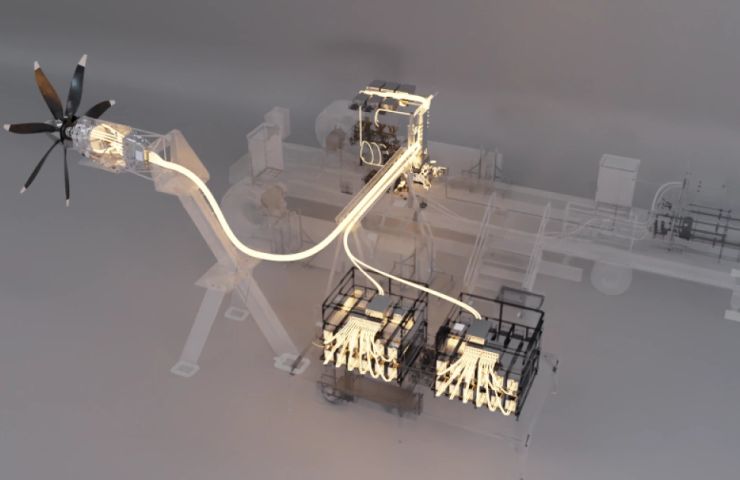
The recent memorandum of understanding isn’t just a handshake deal; it's a roadmap for testing out how NuSun's heat can work alongside ThermoLoop modules. The goal here is to figure out hydrogen production methods that can work around the electricity dependency that typically inflates green hydrogen costs—up to 73 percent in traditional electrolysis. By directing heat from the microreactors into the ThermoLoop systems, they hope to bring production costs below the sweet spot of $2 per kilogram, which is what the US DOE’s Hydrogen Earthshot program is aiming for. This targets making green hydrogen a practical competitor to gray hydrogen generated through steam methane reforming. Early feasibility studies will dive into heat exchangers, the durability of materials under heat and use cycles, and hydrogen storage solutions that are tailored for industrial-scale decarbonization.
Implications for Industry
Folks in sectors like fertilizer, refining, aviation, and shipping are paying close attention. For instance, clean ammonia's production hinges heavily on green hydrogen. If ThermoLoop delivers on its promises, that could mean a significant drop in costs for fossil-fuel-based hydrogen and potentially unlock a whole wave of clean ammonia projects. Data centers, too, are on the lookout, as they eye ways to generate hydrogen on-site to power green data centers or hybrid setups, using NuSun's heat for both cooling and hydrogen production. By connecting hydrogen storage with microreactors, seasonal storage options could become viable, separating supply from the unpredictable nature of solar or wind energy. These developments represent a fundamental shift in how businesses are approaching hydrogen infrastructure, moving from standalone electrolyzer setups to creating hybrid nuclear-chemical systems.
Market and Policy Tailwinds
There’s a real buzz around nuclear-powered hydrogen as federal policies and incentives begin to shape the landscape. The Inflation Reduction Act has introduced tax credits for clean hydrogen production, which could lower costs by as much as $3 per kilogram under specific offtake agreements. At the same time, the DOE has set ambitious goals to reach $1 per kilogram by the 2030s as part of the Hydrogen Earthshot program, also offering R&D grants to help scale up thermochemical methods. On the private side, there’s a surge of green hydrogen offtake agreements as buyer confidence grows. For NuCube Energy, showcasing NuSun in a hydrogen context could broaden its microreactor's application beyond just electricity, opening doors to high-demand heat markets. Meanwhile, NewHydrogen stands to gain visibility among potential offtakers looking for a steady supply.
Looking Ahead
As both companies shift focus from laboratory tests to demonstration projects, they’re looking to set up pilot plants later this decade. The early engineering stages are all about integrating heat exchangers, managing the redox cycle processes, and designing modular plants that can be replicated at various sites. Success in the pilot could lay the groundwork for commercial production facilities by the late 2020s. This path forward will really depend on the durability of materials and how ready the supply chain is. NuCube’s microreactors could be produced in series, cutting down costs and construction time. If all goes according to plan, we’ll see a whole new chapter in the quest for industrial decarbonization.
For a long time, hydrogen production was heavily reliant on steam methane reforming, which unfortunately pumps out carbon dioxide as a byproduct. While electrolysis has stepped up thanks to renewable sources, the high electricity costs and a lack of catalyst materials have held it back. Thermochemical cycles have been around for decades but typically required extreme temperatures, over 2,000°C, making them less feasible. ThermoLoop changes that game by working below 1,000°C, utilizing more accessible materials and working seamlessly with heat sources like nuclear, solar, or waste heat. Meanwhile, projects focused on nuclear hydrogen have seen their highs and lows since the 1970s, but advancements in small modular reactors and TRISO-based microreactors are revitalizing interest. The combination of NuSun and ThermoLoop could potentially mark the first commercial-scale hybrid approach to hydrogen production in this century.
No venture comes without its challenges. They’ll need to look closely at the technical feasibility of the project, especially concerning material wear and how efficiently they can transfer heat. Regulatory approvals for NuSun will depend on getting the thumbs up from the Nuclear Regulatory Commission, despite its safety advantages. Securing funding for pilot plants will need clear commitments from buyers, and public perception around nuclear energy’s role in hydrogen production could lead to local pushback. But if they can navigate these hurdles, this collaboration might just represent a major leap forward in sustainable energy, paving the way for a versatile hydrogen economy. It's a high-stakes gamble, but one that could set a bold new direction for zero-emission technology and hydrogen infrastructure.