Green Hydrogen Production: Qingdao’s Seawater Electrolysis Initiative
Qingdao’s ‘Blue Momentum’ initiative aims to produce green hydrogen by electrolyzing pre-treated seawater, reducing freshwater use and leveraging port infrastructure, though key details remain unverified.
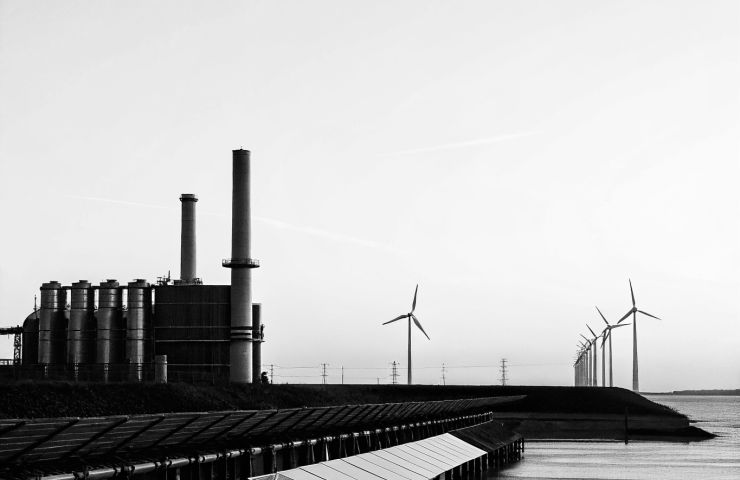
Ever wonder how a bustling port city could crank out clean fuel without draining its freshwater reserves? Enter Blue Momentum in Qingdao. Rather than tapping into scarce inland water or leaning on fossil fuels, this idea goes straight to the source—the sea—using seawater electrolysis to whip up zero-carbon hydrogen on demand. It might sound like sci-fi, but city officials are already rolling out small-scale tests. The full blueprint’s still under wraps, but if it lives up to the hype, it could be the fresh start the green hydrogen production world has been waiting for.
What This Means
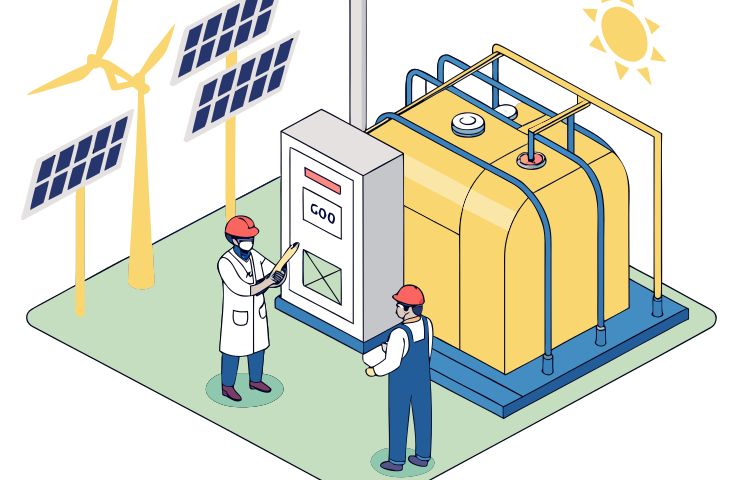
Here’s the kicker: most “green” hydrogen projects guzzle purified water or sneak in fossil gas, which doesn’t sit well when freshwater scarcity is top of mind. By contrast, Blue Momentum filters out salts, minerals and organic bits before feeding real seawater into wind- or solar-powered electrolyzers. You still split H2O into hydrogen and oxygen—but now you’re working with a virtually limitless feedstock right off Qingdao’s coast. Fewer water fights, less carbon, and a neat way to marry coastal hydrogen technology with existing renewables.
The Magic Ingredient
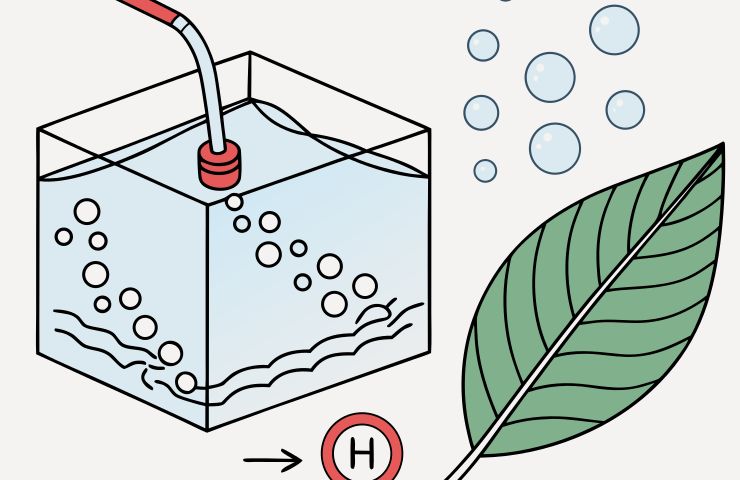
Under the hood, it’s classic electrochemistry with a marine makeover. After sieving out the grit, cleaned seawater slides into an electrolyzer where a current tears it apart into H2 and O2. The trick is designing corrosion-resistant electrodes and membranes that can handle salt’s sneaky side effects. Nail that, and you’ve got a system that runs whenever the wind blows or the sun shines—no mountain springs or purified water taps required. It’s hydrogen production rethought for the shoreline.
Real-World Application
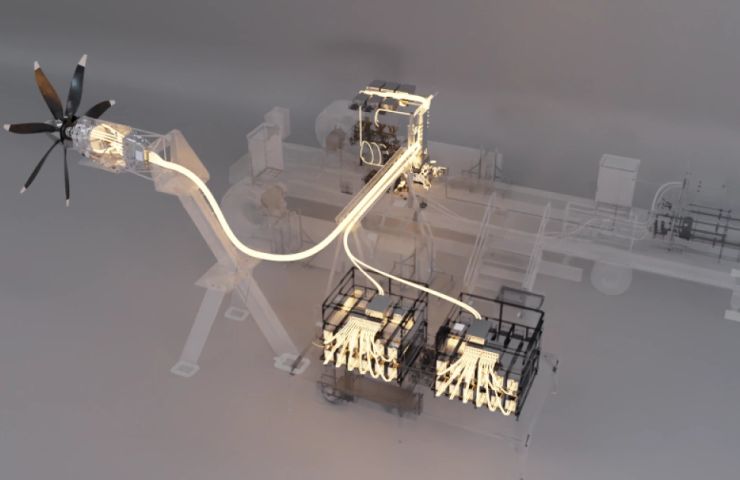
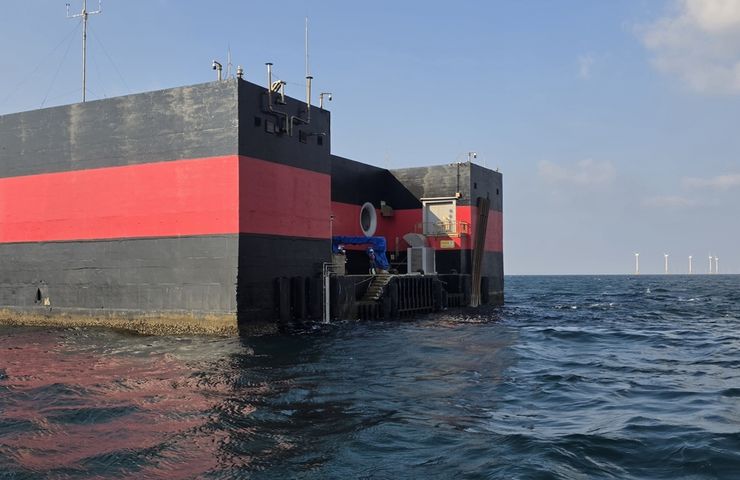
The pilot’s right where you’d expect: in Qingdao, a major hub for shipping, manufacturing and maritime research. Local authorities—alongside unnamed state enterprises and maybe a university or two—are setting up modular electrolyzers down by the docks. Picture sleek stacks of units slurping in filtered seawater and pumping out hydrogen that could feed port cranes, forklifts and even local transit buses. For now, it’s all about proving the concept. But if they hit their marks, you could see full-scale plants lining the waterfront before long.
Why It Matters
Think about regions from Asia to Australia where rivers run low, farms fight cities for every drop, and climate stress is real. Traditional electrolysis plants just pour fuel on the fire by gulping down freshwater. Swapping in seawater eases that squeeze. And coastal hubs already have the pipelines, tankers and storage facilities to move hydrogen overseas. If Qingdao gets this right, it’s a blueprint for turning any port into a Qingdao green hydrogen export powerhouse—no inland water wars necessary.
Strategic Angle
China’s been shouting about scaling up green hydrogen production as part of its net-zero roadmap. Provincial leaders in Qingdao have big incentives to pilot anything that slashes carbon and preserves water. While the Global Times piece didn’t list every research partner, it’s safe to bet local tech institutes are involved, lending expertise on pre-treatment membranes and salt-tough materials. State-backed green financing could help cover upfront costs, too. And with deepwater berths right there, shipping bulk hydrogen to Europe or Southeast Asia becomes a lot more straightforward.
Benefits & Impact
- Water conservation: Eases pressure from inland sources, tackling freshwater scarcity.
- Carbon cuts: Couples perfectly with wind or solar to yield zero-emission fuel.
- Economic boost: Creates new roles in renewable engineering, plant operation and port logistics.
- Export ready: Ports already set up for bulk shipping can pivot to hydrogen trade.
- Energy security: Diversifies feedstocks beyond freshwater or fossil gas.
- Local growth: Spawns manufacturing and maintenance jobs right on the coast.
Plus, a success in Qingdao could spark a domino effect—other port cities eager to adopt coastal hydrogen technology might jump aboard, turning pilot projects into a global tide.
Challenges to Tackle
No innovation is without its hurdles. First up: material corrosion. Saltwater is a beast on metals and membranes, so high-grade anti-corrosion coatings or new alloys will be a must—and that can hike costs. Then there’s brine management: filtering out salt creates a concentrated stream you can’t just dump back in the ocean without risks. Finally, scaling beyond the pilot means navigating permits for seawater intake and nailing down hydrogen certification standards. All doable, but each adds a layer of complexity before full commercial rollout.
Zooming Out
Imagine if this takes off: you could have coastal hydrogen hubs from Shanghai to Sydney, each tapping nearby seas. Desal plants could tweak their setups, oil rigs might double as hydrogen platforms, and shipping giants could retrofit tankers for sloshing pH-balanced water instead of crude. That’s a massive shift, opening fresh export lanes, cutting global carbon, and weaving new alliances in the clean energy trade.
This isn’t just another project—it’s a challenge thrown right at the ocean. Qingdao’s Blue Momentum flips the script on freshwater scarcity and shows how coastal hydrogen technology can reshape the energy map. If the pilot delivers, we could see a wave of Qingdao green hydrogen playbooks popping up in ports worldwide. Stay tuned—the next chapter in green hydrogen production might just break on the shoreline.