Green Hydrogen Production Station Enters Testing Phase at Klaipėda Port
February 10, 2026Upping the Ante for Green Hydrogen Production
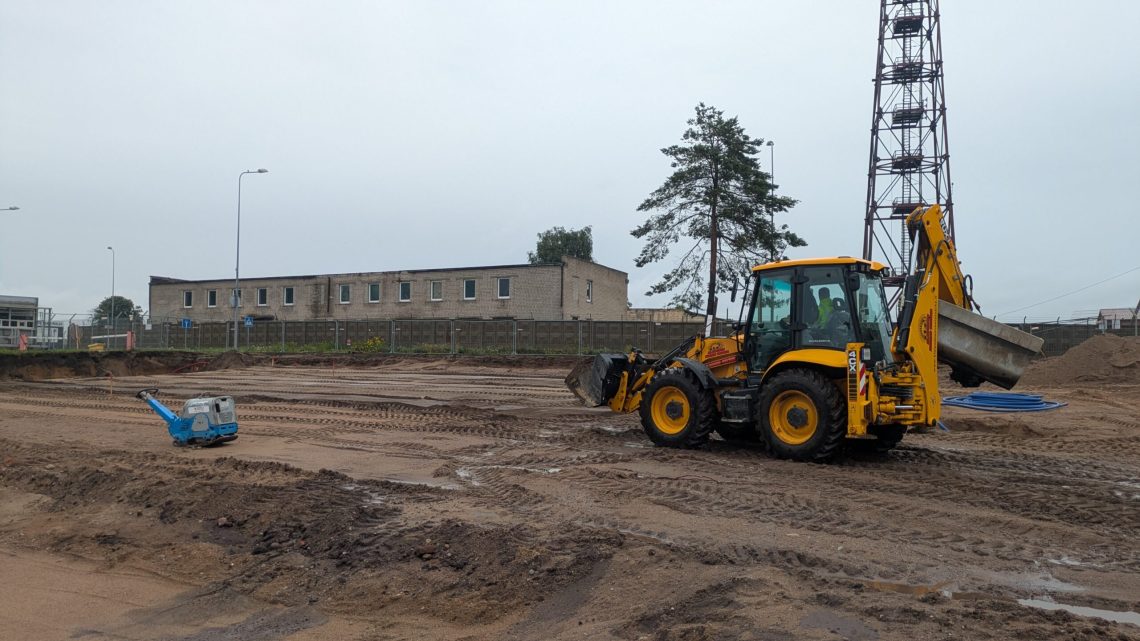
Still think hydrogen hubs are a pipe dream? Not anymore. Out at Klaipėda Port, Lithuania’s gateway to the Baltic Sea, they’ve kicked off equipment tests at their brand-new green hydrogen production and bunkering station. CEO Algis Latakas and the Klaipėda State Seaport Authority are leading the charge, aiming to churn out roughly 127 tonnes of green hydrogen per year from a sleek PEM electrolyzer fueled by 2.25 MW of offshore wind and solar power. Backed by a €12 million investment—half of it from the EU’s NextGenerationEU fund—this project sits front and center in Lithuania’s industrial decarbonization game plan under the EU Green Deal.
Core Project Details at a Glance
This containerized station acts as a one-stop shop for hydrogen production and delivery. Here’s what makes it tick:
- Annual output: 127 tonnes of high-purity hydrogen—enough to offset thousands of tonnes of CO₂ each year when it replaces diesel and LNG in port operations.
- Renewables on deck: It hooks into the port’s 2.25 MW wind-and-solar mix, letting the PEM electrolyzer ramp up or down in a flash, smoothing out grid fluctuations and feeding into the growing hydrogen infrastructure.
- Versatile fueling: Ships dock and bunker right at the quay, while forklifts, yard trucks and rail shunters on land sip hydrogen, paving the way for a fully decarbonized logistics chain.
- Modular setup: Everything’s packed into a 40-foot container, with double-walled pipes and constant leak detection to safely handle pressures from 350 to 700 bar.
- On the fast track: Civil works and mechanical installs are wrapped up, and now it’s all about testing performance and safety systems. Certification and full commissioning are slated for the end of next year.
Inside the PEM Electrolyzer
Not every electrolyzer is built the same, and the PEM electrolyzer is stealing the spotlight for maritime and port uses. It’s compact, pumps out ultra-pure hydrogen and responds in seconds. Here’s the lowdown:
- Renewable feed-in: Wind and solar juice is conditioned through power electronics, smoothing out spikes before it hits the PEM stack.
- Membrane magic: At the core, a proton-exchange membrane splits water at the anode into protons and oxygen. Those protons zip through to the cathode, team up with electrons and voilà—hydrogen gas.
- Compression stage: A two-stage compressor cranks up pressure to 350–700 bar. High-pressure vessels store the gas, ready for rapid bunkering when ships roll in.
- Safety first: Sensors monitor temperature, pressure and leaks. Auto shutoff valves and emergency vents kick in if anything goes sideways.
- Scalable design: Need more capacity? You can stack additional PEM units to double or triple output as demand—and renewables—grow.
That kind of agility doesn’t just guarantee steady hydrogen output; it also turns the port into a mini energy storage hub, offering day-night and seasonal grid-balancing services.
Public-private Collaboration Powers the Project
This green hydrogen venture is the result of a true partnership:
- Klaipėda State Seaport Authority: As owner, they secured the cash, handled permitting, and will oversee operations once the station goes live.
- Gevalda: This Lithuanian engineering whiz won the public tender, tackled civil works, system integration and commissioning support. Their know-how kept the project on a tight schedule.
- Bega: As Klaipėda’s logistics and terminal operator, Bega is rolling out hydrogen-powered forklifts and yard trucks. Early trials will track fuel use, refueling speed and upkeep.
- LTG Group: Through LTG Cargo, they’re set to test hydrogen traction on shunting locomotives, showcasing a diesel alternative for railport operations that cuts emissions and noise.
Tight coordination means production seamlessly feeds into real-world uses, proving the hydrogen economy isn’t just a buzzword—it’s happening now.
From Medieval Trade Route to Energy Transformation
Klaipėda Port has always been central to Baltic trade. Starting in the 13th century, its Hanseatic roots linked Northern Europe’s commerce routes. Fast-forward to the Soviet era, and the port grew into a shipbuilding and repair hub, anchoring Lithuania’s maritime industry. Joining the EU in 2004 spurred a modernization wave: deepened channels for post-Panamax giants and upgraded rail and road links to the hinterland.
Today, the region’s rich wind resources in the Baltic Sea are being tapped like never before. By situating the green hydrogen station on-site, they sidestep imported fossil fuels, setting a new bar in the Baltic states. It’s a smaller-scale nod to big EU moves—think Rotterdam’s pilot electrolyser—but perfectly tailored to the Baltic’s unique energy mix and ambitions.
Economic and Environmental Implications
The testing phase isn’t just about flipping switches—it could spark major economic and environmental wins:
- Emission cuts: Swapping out marine fuels and diesel port machinery for green hydrogen could shave off thousands of tonnes of CO₂ each year, plus lower NOₓ and particulates, giving local air quality a serious boost.
- Skilled workforce: Running a high-tech hydrogen facility demands new talents. Training in electrolysis tech, high-pressure gas handling and safety will prepare locals for the green economy.
- Investment magnet: A successful pilot should draw more EU and private funds, propelling Lithuania toward its 2050 climate neutrality goal.
- Regional ripple effect: A working model in Klaipėda could inspire other Baltic ports—think Tallinn or Riga—to jump on board, weaving a cross-border hydrogen infrastructure corridor.
Of course, challenges remain. Scaling renewables to power multiple electrolysers, beefing up grid resilience and spreading costs across smaller ports will need steady policy backing, cheaper tech and creative financing solutions.
What’s Next?
As testing continues, operators will keep tabs on production rates, how the system handles power swings and the reliability of safety interlocks. Nail those trials, and the station moves into full commissioning and regular bunkering. At the same time, real-world tests with hydrogen cranes, trucks and locomotives will reveal the nitty-gritty of port logistics. Get it right, and the Baltic region’s hydrogen network could blossom into a chain of zero-emission ports and transport routes that align perfectly with EU decarbonization targets.
About Klaipėda State Seaport Authority
The Klaipėda State Seaport Authority is a state-owned powerhouse steering Klaipėda Port, Lithuania’s only deep-water port handling everything from cargo to cruise liners. With CEO Algis Latakas at the helm, the Authority oversees port operations, infrastructure upgrades and environmental efforts like this pioneering green hydrogen station. It’s all part of cementing Klaipėda’s reputation as a cutting-edge maritime hub in the Baltic.
 With over 15 years of reporting hydrogen news, we are your premier source for the latest updates and insights in hydrogen and renewable energy.