
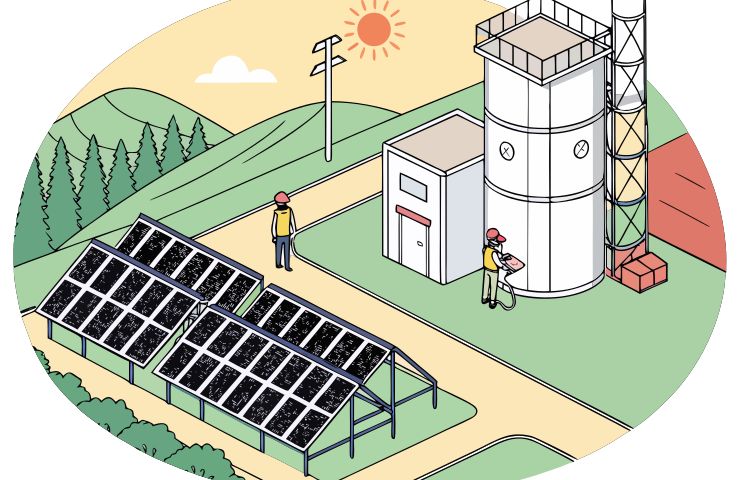
Green Hydrogen Production Takes Off at Petrobrazi Refinery
March 19, 2026Picture this: at Romania’s Petrobrazi refinery, a site with roots stretching back centuries, something unexpected is happening. This spring, OMV Petrom welcomed its first 20 MW electrolyser module for Green Hydrogen Production, kicking off a whole new chapter. It’s not just another piece of kit rolling in; it’s a clear signal that even the oldest oil hubs can reinvent themselves as champions of the climate.
Turning Water into Fuel
At the heart of this operation is plain old water—and some clever electrolysis powered by renewables. The module runs at 20 MW, splitting H₂O into hydrogen and oxygen. When it’s in full swing, it’ll churn out about 3,000 tonnes of green hydrogen a year, feeding straight into a nearby Sustainable Aviation Fuel and HVO unit under construction. Hydrogen’s role? It helps clean up vegetable oils and cooking fats, stripping out sulfur and impurities through hydro-fining. And because the system is modular, adding extra electrolysers is as easy as snapping Lego bricks together once more renewable juice comes online. It’s a flexible, scalable play that echoes global pushes to ramp up the hydrogen economy without reinventing the wheel.
Who’s Driving the Change?
OMV Petrom isn’t new to big numbers. Come 2025, they’re eyeing around 38 million barrels of oil equivalent in production and refining some 4.5 million tonnes of crude yearly. But through their Strategy 2030, they’ve earmarked €11 billion in investments this decade, with roughly 35 percent going to low- and zero-carbon projects. That’s where Green Hydrogen Production at the Petrobrazi refinery slots in, alongside a freshly greenlit photovoltaic park and other renewable bets. Top brass like Radu Căprău say bringing hydrogen into the mix not only slashes carbon from transport fuels but also primes the refinery for whatever the market throws next.
Why It Matters for Sustainable Fuels
Let’s talk numbers: Sustainable Aviation Fuel and HVO can cut transport emissions by about 65 percent versus standard kerosene and diesel. By weaving green hydrogen into the hydro-fining step, OMV Petrom is crafting drop-in fuels that fit today’s engines and pumps—no fleet overhaul required. Airlines get to trim their carbon footprint immediately. On the ground, HVO can roll out either mixed with regular diesel or straight up, helping trucking fleets meet ever-tightening emissions rules. In short, hydrogen becomes the magic ingredient turning plant oils into real-world, planet-friendlier fuels.
Could This Spark a Regional Shift?
This 20 MW electrolyser is just Act One of a 55 MW green hydrogen program backed by Romania’s National Recovery and Resilience Plan. The EU’s chipped in around €50 million—€21 million of it non-repayable—making this one of Southeast Europe’s first demos of its kind. OMV Petrom’s broader sustainable fuels game plan runs to about €750 million, with €560 million earmarked for the SAF/HVO facility and roughly €190 million for hydrogen plants. Throw in a 7 MW solar park already firing clean power into the grid, and you’ve got a full-on renewable makeover. Beyond the refinery gates, these moves highlight how legacy sites can turn into renewable tech hubs, lifting local economies and supercharging regional decarbonization.
Economic and Environmental Impact
On the green side, swapping out conventional hydrogen and grid electricity for green hydrogen can slash carbon intensity in refining by at least 65 percent when churning out sustainable aviation and road diesel fuels. Economically, tapping EU funds through NRRP means around €50 million for the electrolysers, plus private dollars fueling a local supply chain—from modular system builders to solar panel installers and service crews. As construction ramps up, folks in Prahova County can look forward to cleaner air and a handful of new jobs, cementing the area as a budding renewable energy cluster in Romania and beyond.
Building a Clean Energy Hub
Prahova County’s been known for oil since back in the mid-19th century. Now, it’s rewriting its story as a clean energy hotspot. Local contractors and service teams are already gearing up to work on the hydrogen and sustainable fuels installations. Plus, this green pivot ties neatly into Romania’s commitments under the Paris Agreement and the EU’s 2030/2050 climate goals. With EU demand for green hydrogen set to soar, places like Petrobrazi refinery could soon be exporting not just eco-friendly fuels but hydrogen itself to neighboring markets.
Looking Ahead on the Road to 2030
Rolling in that first electrolyser is just the start. A second, beefier 35 MW module is locked in and on its way. Meanwhile, work kicked off last year on the Sustainable Aviation Fuel/HVO plant, slated to hit full tilt by 2028. The hope? This modular model catches on across Europe, slapping electrolysis together with biofuel units to shrink carbon footprints in hard-to-electrify sectors like aviation and heavy transport. If the full 55 MW capacity lands and the SAF/HVO plant pumps out its target 250,000 tonnes annually, Petrobrazi could power thousands of flights or fuel millions of road miles with cleaner energy every year. Watching whether this blend of EU backing, renewable power, and heritage infrastructure proliferates could be the real story—one that charts Europe’s sprint to net zero.


 With over 15 years of reporting hydrogen news, we are your premier source for the latest updates and insights in hydrogen and renewable energy.