Green Hydrogen Supply Fuels BMW’s Steyr Fuel Cell Testing
Lhyfe’s deal to supply green hydrogen to BMW’s Steyr R&D centre marks a key step in advancing fuel cell testing and Europe’s renewable hydrogen strategy.
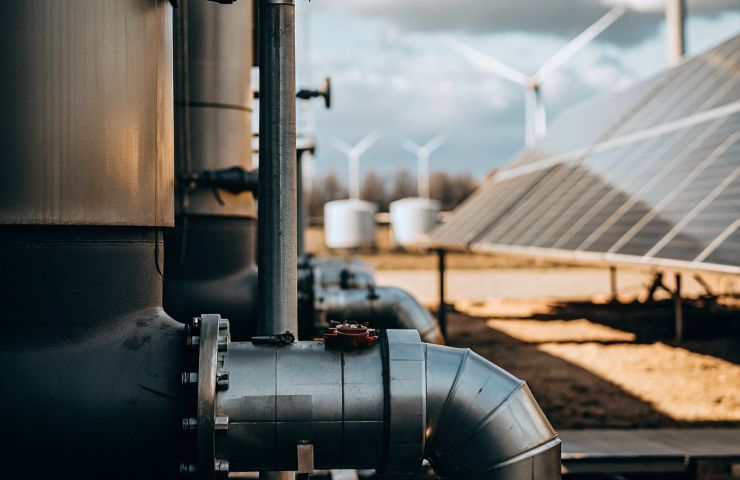
Setting the Stage in Steyr’s Hydrogen Hub
It all kicks off in the scenic city of Steyr, snuggled along the Enns River in Upper Austria. Austria’s shooting for climate neutrality by 2040 and has a target of 1 GW of electrolysis capacity by 2030, though it had just 13.2 MW hooked up in 2023. With roughly 8.9 million people and about €820 million in subsidies fueling the push, momentum is building fast. The local R&D center—once all about electric motor production—has shifted gears into fuel cell testing. That’s exactly why Lhyfe and the team at BMW Steyr decided to join forces, aiming to scale up a reliable green hydrogen supply.
Pioneering Players Join Forces
Lhyfe, founded by Matthieu Guesné in 2017, has made a name for itself as a “decentralized” champion of renewable hydrogen. They design, install, and run units that use wind or solar power to fire up PEM electrolyzers—splitting water into hydrogen and oxygen, with nothing but H₂O escaping into the air. After launching France’s first wind-powered site in 2021–2022 and a 10 MW German plant in 2025 churning out up to 1,200 tonnes a year, Austria was their next logical stop. Meanwhile, BMW Group has been tinkering with hydrogen since 1979—from early combustion tests in 5 Series models to today’s pure fuel cell stacks. Together, they’re making sure this hydrogen meets the strict RFNBO standards.
Building a Green Hydrogen Backbone
Under a multi-year pact, Lhyfe will channel renewable hydrogen straight into the heart of the BMW Steyr R&D center, fueling tests that are crucial for the iX5 Hydrogen’s 2028 debut. What’s great about this setup is “additionality”—it taps excess renewable power instead of diverting juice from other clean sources. This move lines up perfectly with Austria’s ambition to become a true hydrogen hub, linking homegrown production with actual end-use. Across Europe, initiatives like REPowerEU are calling for 40 GW of electrolysis by 2030, and Steyr’s on-site approach shows how you can kick carbon-heavy imports to the curb.
Fuel Cell Systems Take the Spotlight
The star attraction here is BMW’s third-generation fuel cell system, co-developed with Toyota. It cranks out about 125 kW from the H₂–O₂ reaction, married to an eDrive unit and a battery for up to 401 hp in the iX5 Hydrogen concept. Think 300 miles of range and refuels in just 3–4 minutes. By diving deep into fuel cell testing at Steyr, engineers can tune performance, boost durability, and fine-tune thermal management before hitting full-scale production. For drivers, it means a spot-on complement to battery EVs—perfect for long hauls or heavier loads where fast fill-ups and extended range really matter.
Quantifying the Impact
Numbers don’t lie. Austria’s hydrogen strategy forecasts over 10,000 tonnes of annual demand, driven by €820 million in public support. A single Lhyfe facility in Germany already produces 1,200 tonnes a year; replicating that here would unlock a wave of jobs in manufacturing, installation, and maintenance. From an environmental standpoint, every kilogram of green hydrogen dodges up to 10 kg of CO₂ compared to gray H₂ from natural gas. Considering Europe’s transport sector dishes out roughly 25% of emissions, rolling out more fuel cell vehicles could shave off millions of tonnes each year.
A Glimpse into the Future
This Steyr collaboration isn’t just a handshake—it’s a real-world sneak peek at how decentralized renewable generation, industrial R&D, and automotive innovators can team up. Looking toward 2028 and beyond, the lessons learned here will steer everything from hydrogen corridors and refueling networks to cross-border trade. Sure, there are hurdles—electrolyzer efficiency sits around 60–80%, production costs range from €3–7 per kg, and we need more stations. But with local governments, EU policymakers, and visionaries at Lhyfe and BMW all pulling in the same direction, you can practically hear the future calling: a Europe powered by green hydrogen, one stack at a time.
At the end of the day, this deal marks a milestone on Europe’s road to net-zero mobility—and shows that renewable hydrogen isn’t some distant dream, but a full-speed-ahead reality taking shape in places like Steyr.