Green Hydrogen Takes Center Stage in Jordan’s Natural Gas Expansion Plan
Jordan’s updated energy strategy pairs Risha gas field expansion with a green hydrogen hub in Aqaba to boost renewables and reduce reliance on imports.
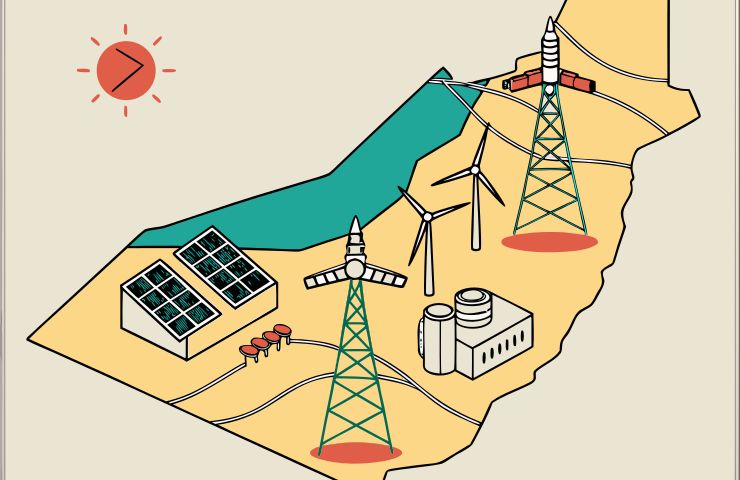
You can’t talk about energy security in Jordan without shining a spotlight on the new push for green hydrogen. The Ministry of Energy and Mineral Resources just unveiled its 2025–2035 roadmap, pairing a big ramp-up of domestic gas output at the Risha gas field with a full-throttle drive to harness solar and wind power for hydrogen production and clean ammonia exports through Aqaba. The goal? Chop that 92% import dependency down, nudge renewable energy from 27% of the mix to above 30% by 2030, and keep charging toward a 50% target in the longer run.
Strategic Shift
Under the watchful eye of Saleh Kharabsheh, Jordan already smashed through a 27% renewable capacity milestone—thanks to fiercely competitive solar and wind auctions—well ahead of schedule. Now, they’re going for even more: 30% by the decade’s end and eventually 50%, as new storage projects and grid upgrades come online. They’re also tightening the belt on consumption, aiming to trim energy use by 9% through smart meters, building retrofits and other demand-side measures.
Risha Gas Field Expansion
Out in Jordan’s eastern desert, the Risha gas field has long been the promise of a buffer against pricey imports from Egypt and Israel. The updated plan dials up drilling from pilot wells to full commercial scale, tying Risha into the broader network. As part of this natural gas expansion, they’ll push production to 418 million cubic feet per day by 2029 via 80 new wells and a fresh link to the Arab Gas Pipeline. That could cover 60% of local demand, freeing up cash for other clean investments.
It matters because households gulp down roughly 49% of electricity—about 25% above global norms—so even a sliver of local supply relief can lower bills and tame inflation. Hitting that 60% domestic-gas sweet spot could save Jordan hundreds of millions every year while shielding the economy from wild market swings.
Aqaba Green Hydrogen Hub
Down on the Red Sea coast, Aqaba is being groomed as Jordan’s flagship green hydrogen export hub. In April, the EBRD signed an MoU to lend technical muscle on tenders, policy tweaks and grid modernization—plus potential financing for future projects. The blueprint calls for phased electrolyzer rollouts, tapping dedicated solar parks and even offshore wind farms to power water-splitting hydrogen production. That H₂ then gets turned into green ammonia—much easier to ship—targeting up to 5 million tonnes per year, all within the Aqaba Special Economic Zone’s tariff breaks and expedited permits.
Policy and Partnerships
This isn’t a government-alone gig. The refreshed strategy leans on public-private partnerships: aside from the EBRD deal, firms like ILF Consulting Engineers are mapping out multi-stage hydrogen infrastructure. Regulators have even loosened up rules to let third parties tap pipelines and storage, hoping to lure private capital and anchor industrial offtakers. On the licensing front, they’re aiming to slash approvals for renewable energy projects and gas exploration from years to months.
Meanwhile, Jordan’s pitching itself as the linchpin for regional sustainable energy corridors—seeking pacts with Gulf producers and European buyers. Nail down early off-take agreements and the perceived risk on green ammonia facilities plummets, making it way easier to secure bank financing.
What It Means
This dual-track approach is a neat one-two punch for energy security, economic efficiency and climate goals. On one side, renewables and ramped-up domestic gas shield Jordan from price spikes; on the other, a serious green hydrogen play sets the stage for zero-carbon fuel exports. Local hydrogen demand could hit 91,000 tonnes a year by 2030, soaring to over 1.1 million tonnes by 2050—enough to power home-grown industry and honor export commitments.
Decarbonization here isn’t lip service. By swapping out fossil imports and reallocating gas, Jordan can meet its NDC pledges and tap into international green financing. If this plan takes off, investors, banks and regional buyers will be front-row as the kingdom morphs from vulnerable importer to strategic supplier of sustainable energy.
Challenges Ahead
No plan is foolproof. Green hydrogen is thirsty—Jordan’s arid climate means electrolyzer feedwater will need desalination or recycled wastewater, both with hefty price tags. Funding the initial build-out of electrolyzers, grid upgrades and storage will stretch state coffers and test private risk appetites. A solid regulatory framework is still in the works, and policy stability will be crucial for locking in long-term offtake deals.
Geopolitics could trip them up, too. Past protests over Israeli gas agreements highlight how public sentiment can derail contracts. The 2025 Gas Law revamp promises more transparency, but effective execution and genuine stakeholder buy-in are still big question marks.
Forward Look
This isn’t a magic wand, but it’s one of the Middle East’s boldest energy pivots. Combining natural gas expansion with a crystal-clear green hydrogen agenda gives Jordan a hedge against global price swings and charts a course for industrial decarbonization. It’s a high-stakes balancing act where drilling rigs, solar farms, electrolyzers and policy all have to fire together.
If you’re following sustainable energy in the region, keep your eyes on Jordan. Could this hybrid model become the playbook for other import-dependent economies? If it pulls it off, it might just rewrite the rulebook on clean fuels in water-scarce lands.