H2NorthEast and Northern Gas Networks to Expand Low-Carbon Hydrogen Production Supply in Teesside
H2NorthEast and Northern Gas Networks signed an MoU on 14 April 2026 to explore transporting low-carbon hydrogen from Teesside to industrial users via the East Coast pipeline, supporting UK decarbonization targets.
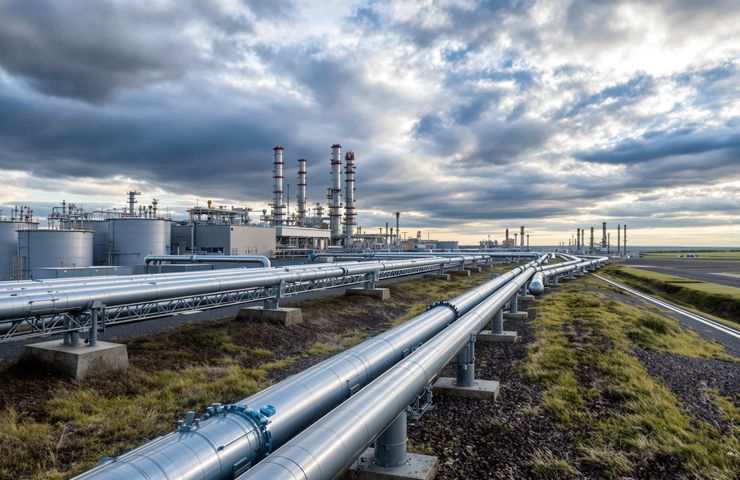
Teesside’s been at the heart of UK industry—steel, chemicals, power generation—you name it. Now it’s gearing up for a clean sustainable energy makeover. On 14 April 2026, H2NorthEast, the low-carbon hydrogen project led by Kellas Midstream and SSE Thermal, signed a memorandum of understanding with Northern Gas Networks, the region’s main gas distributor. Together, they’ll explore shifting hydrogen from the planned Teesside facility next to the CATS gas terminal into factories and plants across North East England via the East Coast Hydrogen pipeline network.
Why This Deal Matters
This MoU isn’t just another signature on paper. It’s about closing the loop between hydrogen production and real-world demand. By repurposing existing pipes—or laying fresh ones—industries from steelmakers to chemical plants can swap out carbon-heavy fuels for low-carbon hydrogen. Reliable, on-demand hydrogen could also kickstart more widespread use of hydrogen fuel cells for on-site power and process heat. With the UK aiming for 10GW of hydrogen capacity by 2030, H2NorthEast could supply roughly 10% of that goal, turbocharging the nation’s push towards zero-emission technology.
Building on Early Engineering
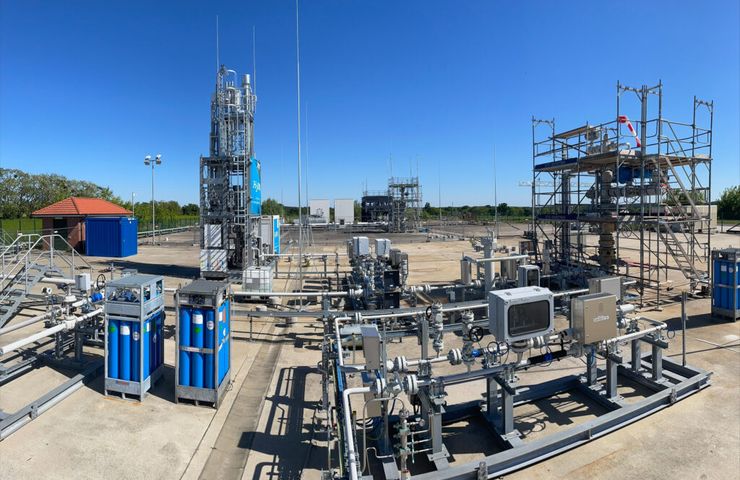
Work on H2NorthEast began in 2023 with initial engineering studies that shaped everything from site layout to tie-ins with the local energy grid. The project sits snugly next to the CATS gas terminal, giving it a logistical edge. The heart of the plan is a steam methane reformer to extract hydrogen from natural gas, paired with a CCS system that locks away most of the CO₂. Once up and running, the facility could churn out enough hydrogen each year to heat over a million homes, all while slashing carbon emissions—a neat example of industrial decarbonization in action.
Linking Production and Pipelines
Northern Gas Networks brings deep expertise in keeping gas flowing safely through miles of steel pipe. Together, the partners will map out the most efficient way to inject hydrogen into the East Coast Hydrogen network—whether that means converting sections of old pipeline (with careful checks on material compatibility and integrity) or laying brand-new hydrogen-ready lines. Either route aims to deliver a steady stream of low-carbon hydrogen to customers in County Durham, Teesside and beyond, reinforcing the UK’s hydrogen infrastructure.
Tight Fit in the East Coast Cluster
The East Coast Cluster is one of the UK Government’s flagship schemes for industrial decarbonization: capturing carbon from power plants and heavy industries, then storing it deep under the North Sea. It also nurtures a hydrogen ecosystem by linking producers, transporters and users. H2NorthEast threw its hat in the ring with a Phase 1 bid in April 2026—landing an MoU with the pipelines team is a crucial next step to prove the cluster can really move hydrogen from point A to point B and attract bigger investments.
Local Benefits, Global Impact
Once hydrogen starts flowing beyond the Teesside plant, everyone stands to win. Industrial operators can cut on-site emissions by swapping out high-carbon fuels. Teesside itself could see a wave of new jobs in engineering design, construction, maintenance and operations. Local suppliers—from valve makers to control system specialists—could land fresh contracts. Meanwhile, universities and research centers could launch pilot projects, wrangle data and train the next generation of hydrogen and CCS pros.
Over the long haul, building this hydrogen ecosystem could seed new skills and supply chains, nudging the region towards a broader low-carbon economy. On the world stage, a successful H2NorthEast rollout would burnish the UK’s reputation as a hydrogen leader, potentially drawing in further international interest and investment.
The Tech Behind the Talk
At its core, H2NorthEast is about low-carbon hydrogen production via steam methane reforming plus CCS. Methane reacts with steam to yield hydrogen and carbon monoxide, which then shifts to produce more hydrogen. The captured CO₂ gets compressed and buried under the North Sea. On the transport front, developing robust hydrogen infrastructure means tackling technical challenges like hydrogen embrittlement, selecting the right materials and tightening up safety processes. Yet adapting existing pipelines often turns out to be quicker and more cost-effective than building everything from scratch.
Fitting Into the UK Hydrogen Playbook
The UK’s 2021 Hydrogen Strategy put regional clusters front and center of its net-zero roadmap, especially for sectors where electrification isn’t practical. Teesside ticks all the boxes: a dense industrial base, CO₂ transport routes already in place and ready access to natural gas. Under the partnership, Kellas Midstream and SSE Thermal are steering H2NorthEast towards a 1GW-capable plant, aiming to flip the switch on initial output by the mid-2020s and gradually ramp up through the decade, synchronized with cluster funding and market demand.
What’s Next?
With the MoU in hand, both sides will dive into feasibility studies, route surveys and customer outreach. They’ll pore over pipeline maps, assess material conditions and model flow rates to nail down how hydrogen can move safely and reliably. At the same time, they’ll be in talks with potential industrial offtakers—steel mills, chemical works and more—to size up demand profiles, delivery schedules and any on-site tweaks needed.
On the regulatory side, the team will chase planning approvals, secure grid and network access agreements, and explore funding channels—think UK Infrastructure Bank loans or cluster grants. If everything goes to plan, we could see first hydrogen produced by the mid-2020s, with a clear path to hit full 1GW capacity by the late 2020s. Through it all, local councils, environmental agencies and community stakeholders will stay in the loop to ensure the project jives with regional development goals.
Looking Ahead
This partnership underscores a fundamental truth: making hydrogen is only half the battle—you’ve got to get it to the people who need it. By pairing a seasoned pipeline operator with an innovative production project, this MoU sketches out a blueprint for stitching together the entire hydrogen value chain. If H2NorthEast and Northern Gas Networks hit their targets, Teesside won’t just be a production hub—it will become a living showcase of how zero-emission technology and hydrogen can power an industrial region, setting the stage for similar efforts across the UK.