Hazer Group and KBR Finalize Turquoise Hydrogen Plant Design
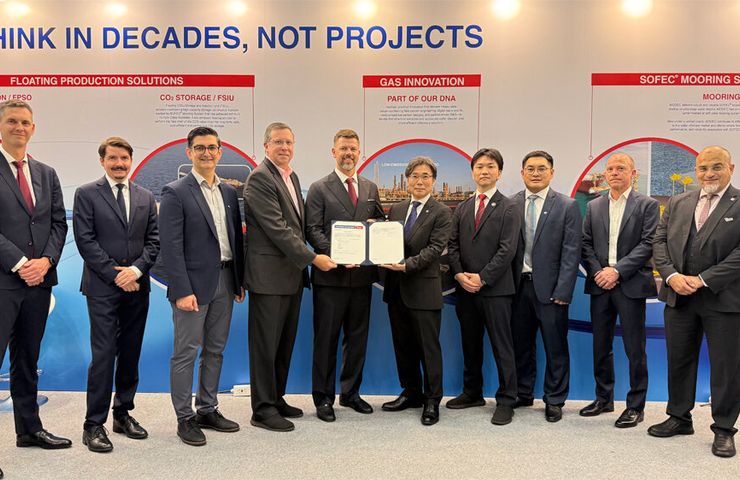
Hazer Group and KBR have completed a standardised Process Design Package for a large-scale turquoise hydrogen plant, advancing low-emission hydrogen and graphite production via the Hazer Process.
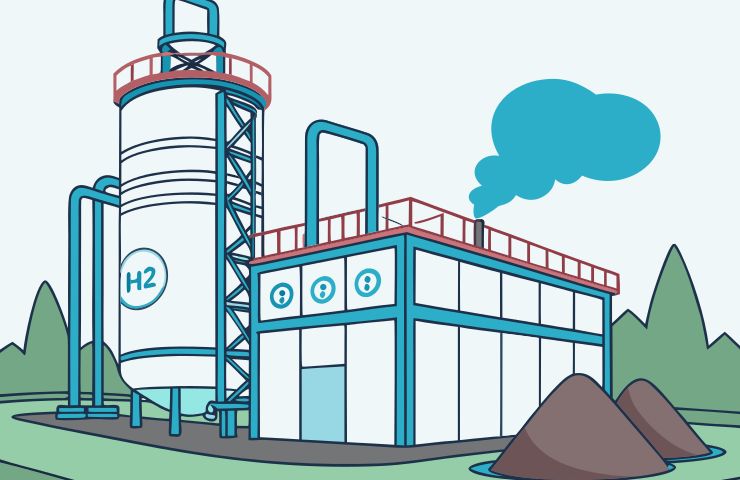
This month, Hazer Group Limited teamed up with KBR to wrap up a detailed Process Design Package (PDP) for a standardized, large-scale turquoise hydrogen plant. By nailing down the Hazer Process at commercial scale, they’re setting things up so that low-emission hydrogen and top-grade graphite get cheaper and more accessible worldwide.
This PDP is more than just paperwork—it’s the bridge from pilot projects to full-on commercial plants. It wraps up years of digging into methane pyrolysis—basically heating natural gas until it splits into hydrogen and solid carbon, with iron ore acting as a trusty, reusable catalyst. Thanks to KBR’s engineering muscle and Hazer’s unique know-how, we’ve got a blueprint that can be snapped together anywhere there’s plenty of natural gas, feeding booming demand for sustainable energy carriers and premium synthetic graphite.
How the Hazer Process Works
Picture this: instead of the usual steam reforming or energy-hungry electrolysis, the Hazer Process simply cranks up the heat on natural gas with an iron ore catalyst. That fires up methane pyrolysis, cleaving each CH₄ molecule into a neat bundle of hydrogen gas and pure graphite carbon. The best part? The catalyst sticks around, so you keep the reaction going without constantly topping it up.
By taking this thermal route, we’re sidestepping direct CO₂ emissions that come with steam reforming—and you don’t need gallons of water like in electrolysis either. That’s what makes turquoise hydrogen a unique flavor in the hydrogen family and a clean-energy sweet spot. The graphite that forms is no afterthought either—think battery anodes, electronics, even next-level materials like graphene. Turning out hydrogen and top-tier carbon together cranks up the economic benefits and squeezes more value out of every molecule.
Setting a New Standard for Turquoise Hydrogen
The freshly minted PDP is dubbed “standardized,” which basically means it comes with lock-tight engineering specs, material balances, and equipment sizing that work for big commercial setups. That kind of consistency helps drive down capital costs and gets projects off the drawing board faster—developers and banks can skip reinventing the wheel and dive straight into technical and financial planning.
Hazer Group says this design can fuel everything from industrial hydrogen hubs to mobility projects and synthetic graphite plants. With crystal-clear performance targets and integration tips, operators can better forecast expenses, maintenance, and feedstock needs—making it easier to nail down bankable financing.
Business Impacts and Market Position
For Hazer Group, wrapping up the PDP is a major signal: they’re no longer just a research-focused start-up, they’re a full-fledged technology provider ready for prime time. Hailing from Perth and born out of University of Western Australia research, they’ve already got a demonstration plant humming. Locking down a standardized design gives them serious pull with partners in gas-rich regions who want zero-emission technology without the huge power or water needs of electrolysers.
Meanwhile, KBR brings its global engineering and project-delivery clout to the table. They’ve fleshed out everything from process flow diagrams to safety systems and commissioning checklists. By handing over an almost plug-and-play package, they chop months or even years off the path from concept to construction permit—exactly what you need when the pressure’s on to deliver industrial decarbonization solutions.
Context in the Hydrogen Landscape
Everyone’s talking about green hydrogen via electrolysis, and sure, it’s booming—yet turquoise hydrogen stakes out a clever middle ground for places with plenty of natural gas but limited renewable power. It shrinks the carbon footprint compared to steam methane reforming, without banking your future on sprawling electrolyser farms.
Plus, the bonus graphite stream can help ease the crunch in high-purity carbon needed for batteries and grid storage. With two solid revenue streams, these plants stand a better chance of winning over investors in a field where returns can be tough to pin down.
Looking Ahead
Armed with a finalized PDP, Hazer Group and KBR are ready to field calls from developers worldwide. Whether it’s Australia, North America, or the Middle East, gas-rich economies can cash in on this playbook to juice up their hydrogen infrastructure. Of course, solid regulatory support and smart off-take deals will be the make-or-break factors as the first commercial sites take shape.
With net-zero ambitions ramping up everywhere, having a vetted blueprint cuts through a lot of the guesswork—streamlining permitting, dialing in project finance, and shrinking risk windows. This Hazer-KBR team-up shows how pairing inventive clean-tech developers with seasoned EPC players can actually move the needle on scaling breakthrough processes.
About the Company
Hazer Group Limited started in 2010 to turn University of Western Australia research into reality. They went public on the ASX in 2015 and now run a Commercial Demonstration Plant in Perth. Hazer’s mission centers on closing the gap between research and real-world impact. KBR is a seasoned player in engineering, procurement, and construction services across sectors like energy, chemicals, and government—headquartered in the U.S. but with a footprint that’s truly global. Their track record in delivering complex projects gives this venture real momentum.