High-Entropy Oxygen Electrode Enhances Hydrogen Production Efficiency at KAIST
April 7, 2026If you’ve been watching the race toward green hydrogen, you know it all boils down to cranking up electrolyzer performance and slashing costs. The crew at KAIST is right in the thick of it, cooking up an electrode material that could seriously shake up hydrogen production. Under the direction of Professor Kang Taek Lee, they’ve leaned into high-entropy design to boost current density and power output—while still keeping things rock-solid over the long haul.
Here’s the quick and dirty: their new high-entropy oxygen electrode triples hydrogen output to 4.42 A cm−2 and dishes out 1.77 W cm−2 at 650 °C. That’s 2.6 times the punch of a conventional cell, and it only drops about 0.76% in performance after 500 hours. Backed by DFT calculations and TOF-SIMS analyses, it’s a big win for cleaner electrolysis systems.
Methods and Design Principles
The magic trick? Blending multiple metal oxides into one compositionally rich electrode. This high-entropy approach doesn’t just toughen the structure—it slashes the energy barrier for creating oxygen vacancies by over 60%. And since those vacancies are the superhighways for oxygen ions, cutting that barrier makes reaction kinetics take off. On top of that, the mixed-metal environment amps up proton mobility, giving you over seven times faster transport versus standard electrodes.
They whip up these electrodes via a carefully controlled co-precipitation process, then sinter them at high heat to forge dense, crack-resistant layers. Under proton-conducting tests, the material shrugged off intense current densities without so much as a hiccup. Fine-tuning the operating sweet spot at 650 °C nailed the balance between electrical conductivity and chemical stability.
Strategic Implications for Green Hydrogen
All these performance boosts translate to less electricity per kilogram of hydrogen—driving down production costs and giving steam-methane reforming a serious run for its money. In markets hungry for sustainable energy, shaving off electrolyzer power demand is crucial to making green hydrogen truly competitive. Plus, with under 1% degradation over hundreds of hours, these electrodes promise fewer headaches (and costs) for maintenance and swaps.
Academic and Industrial Context
KAIST has been on a tear lately, rolling out everything from new ammonia synthesis catalysts earlier this year to diesel reforming tweaks—and now this electrode breakthrough. They’ve borrowed from global advances in high-entropy alloys and tailored those insights to protonic cells, even hinting at fresh angles for fuel cell technology.
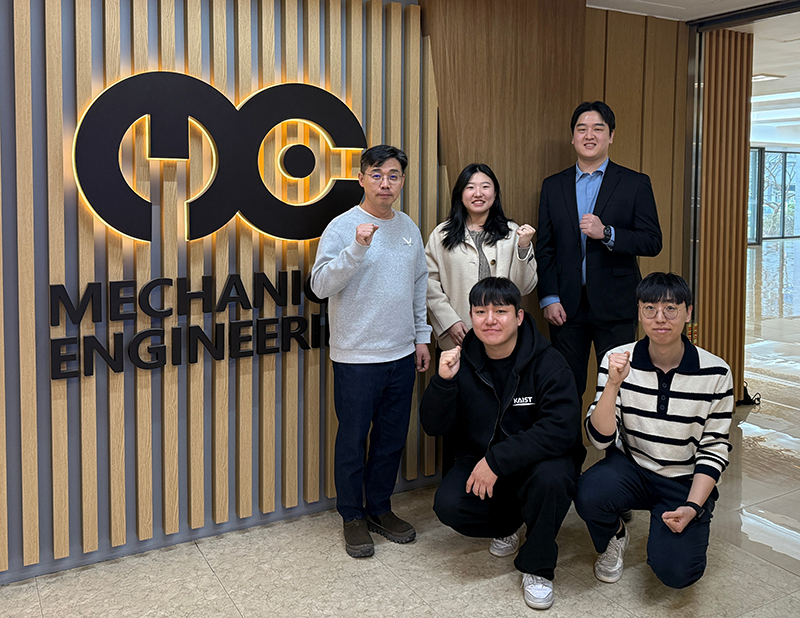
Professor Lee often says the real game-changer is controlling entropy to dial in electrode reactivity. His team—including Ph.D. candidates Seeun Oh, Hyeonggeun Kim, Incheol Jeong and Dr. Dongyeon Kim—handled everything from materials synthesis to cell assembly and performance tests.
Challenges and Future Steps
No doubt, the lab results look stellar, but scaling up high-entropy materials is no walk in the park. Getting multiple metal precursors to blend evenly and keeping those microstructures consistent in larger electrode sheets will require some process fine-tuning. And they’ll need to prove these designs can hang in real-world conditions—where impurities and thermal cycling come into play.
To tackle that, the KAIST crew plans to team up with industry partners, rolling out pilot runs at wafer scale and integrating these electrodes into commercial electrolyzer stacks. They’re also eyeing lower operating temperatures to further trim balance-of-plant costs.
Environmental and Policy Perspective
Governments worldwide are rolling out incentives and mandates to beef up hydrogen infrastructure and grow green hydrogen production capacity. Efficiency improvements like this one could make green projects more bankable, helping to mesh renewables into the grid. As electrolyzer capacity ramps up, so does the demand for clean electricity—driving grid upgrades and smarter storage solutions.
By tying materials breakthroughs to policy goals—carbon reduction, energy security, you name it—these advances could help hydrogen production hit cost targets sooner. That sets the stage for decarbonizing tough industries like steelmaking, chemicals and heavy transport.
Looking ahead, combining these high-entropy electrodes with next-gen membranes might spark the next big leap in electrolyzer design. For now, what KAIST has done marks a solid milestone on the path to affordable, durable and scalable green hydrogen.


 With over 15 years of reporting hydrogen news, we are your premier source for the latest updates and insights in hydrogen and renewable energy.