HVR Energy Expands Hydrogen Infrastructure in Spain with New Green H2 Refueling Stations
Under its ACTIVA project, HVR Energy secures €12.75M from ICO and EU grants to deploy 30 modular green hydrogen refueling stations across Spain, starting with Coslada for municipal transport.
Spain’s charging full-speed ahead on sustainable energy, and HVR Energy is right there, rolling out modular hydrogen refueling stations to keep zero-emission vehicles on the move. By tapping fresh backing from the Instituto de Crédito Oficial (ICO) and a hefty EU CEF AFIR grant, the ACTIVA project just locked in €12.75 million from ICO on top of a €7.6 million boost from Brussels, aiming to deploy 30 stations nationwide. That follows an earlier €7 million sprinkle that got 20 stations off the ground. Kicking things off in Coslada, they’re using electrolysis to produce green hydrogen for municipal buses—part of Spain’s sprint to 150 stations by 2030.
Modular Hydrogen Refueling at Coslada
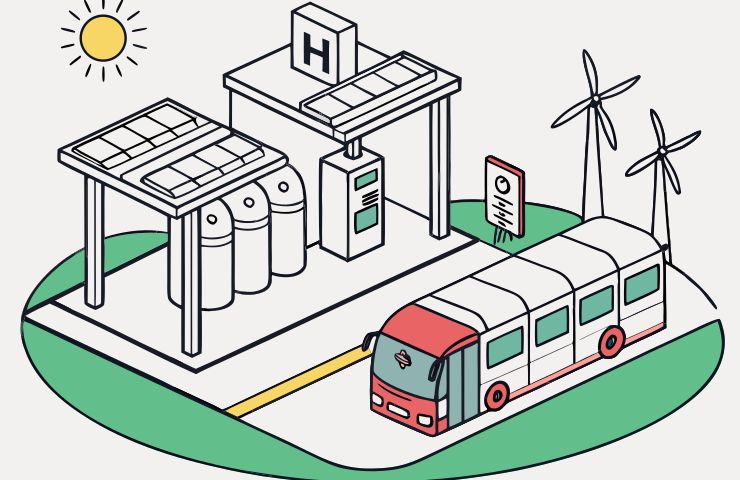
The Coslada HRS isn’t just another pump—it’s a living lab. Nestled in Madrid’s Corredor del Henares, this station uses an electrolyzer powered by renewables to split water into oxygen and hydrogen. The gas is then compressed, stashed on-site, and dispensed through hoses that play nice with buses, trucks or any fuel cell vehicle. With logistics hubs just around the corner, municipal bus fleets get a front-row seat to test performance in real-world conditions. And thanks to its plug-and-play, modular design, upgrades and maintenance are a breeze—making it a template for city centers and highway corridors alike.
Strategic Financing and Partnerships
Money makes the wheels turn, and in this case, it’s a tag-team between national and EU coffers. After ICO kicked in €12.75 million—on top of a previous €7 million line—the EU’s Connecting Europe Facility under the Alternative Fuels Infrastructure Regulation stepped up with €7.6 million. Together, that funding mix lets HVR Energy map out 30 stations along key transport arteries. By pairing public backing with off-the-shelf modular tech, the barriers drop for logistics firms and local agencies keen on tapping green hydrogen solutions.
Business and Market Implications
Reliable access to hydrogen infrastructure is the missing puzzle piece for getting fleets to jump on board. With these refueling points in place, operators can run real-world trials—logging how buses and trucks handle everything from cold starts to peak-hour runs. Vehicle makers and tech providers also get a live demo stage to fine-tune protocols and materials. And as emissions rules tighten across Europe, expanding to 150 stations by 2030 isn’t just a nice-to-have—it’s a must.
The beauty of the ACTIVA approach is its nimbleness. Modular roll-out slashes lead times, so HVR Energy can pivot quickly when demand hotspots emerge. Plus, hooking up to renewable grids means the hydrogen stays low-carbon from production right through to the nozzle. As the cost of electrolyzers and fuel cell stacks dips, the total cost of ownership for hydrogen-powered vehicles is set to look even more compelling.
Spanish Hydrogen Roadmap Context
Spain didn’t stumble into this—back in 2020 it unveiled its Hydrogen Roadmap alongside the PERTE scheme to steer public and private players toward decarbonization. Big-ticket projects under the Important Project of Common European Interest (IPCEI) umbrella have been fuelling research, infrastructure and industrial scale-up ever since. The government’s 2030 goal? At least 150 operational hydrogen refueling stations spread from Madrid and Barcelona out to the highways and urban sprawl. ICO’s two rounds of financing for HVR Energy—€7 million in 2025 and €12.75 million for ACTIVA—are proof that these strategic energy plays are top of the agenda.
Looking Ahead
With permits in hand and equipment lined up, HVR Energy is itching to flip the switch on its first batch of stations. Timelines will dance to the tune of regulators and supply chains, but the modular blueprint should keep things moving fast. Continued public support and fresh private partnerships will be the secret sauce for scaling this network and keeping it humming reliably. For stakeholders across Spain—and Europe more broadly—the ACTIVA project is a playbook: blend targeted financing, plug-and-play tech and smart site picks to build out hydrogen infrastructure. In the end, it’s all about cementing hydrogen’s spot as a pillar of zero-emission transport and the broader sustainable energy ecosystem.
Given the EU’s push on industrial decarbonization and its love for circular economies, these kinds of projects don’t just fuel fleets—they light up entire value chains, from renewable power producers to fuel cell makers, creating jobs and keeping Europe at the forefront of clean-tech innovation.