Hydrogen Aero Engine Test Completed by easyJet and Rolls-Royce
easyJet and Rolls-Royce completed a 100% hydrogen ground test of a Pearl 15 engine at NASA Stennis, marking a key step toward zero-emission flights.
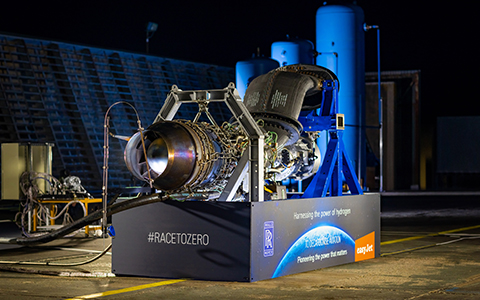
It’s not every day you see easyJet and Rolls-Royce teaming up, but that’s exactly what’s happened as they chart a course toward net-zero flights. This month, the two UK heavyweights landed at NASA’s Stennis Space Center in Mississippi for a full simulated flight cycle on a modified Pearl 15 engine running pure hydrogen. From the moment it roared to life and pushed for takeoff thrust all the way through to cruise mode, this hydrogen aero engine test showed that modern turbofans can handle 100% hydrogen under real-world stress without missing a beat.
Partnership Launches Major Hydrogen Engine Trial
Back in 2022, the duo kicked off their four-year journey by proving a hydrogen-compatible AE2100 could run on green H₂. A year later, they cracked a Pearl combustor milestone. Their secret sauce? Adapt an engine you already trust—one that flies business jets—to burn clean hydrogen instead of kerosene. It’s a win-win: easyJet brings fleet know-how and big sustainability targets for 2050, while Rolls-Royce flexes its combustion smarts and engineering muscle. Together, they’re tackling real aviation challenges, and this Pearl 15 hydrogen test is a huge leap forward.
How the Technology Works
At its heart, the Pearl 15 engine is the same powerhouse you’d find under a Bombardier Global business jet. For this trial, engineers swapped out the kerosene system for a cryogenic hydrogen setup. Liquid H₂ is vaporized, then shot into the combustor via specially designed nozzles that control hydrogen’s blazing 2,200°C flame (kerosene sits at about 1,900°C). Clever air-staging keeps nitrogen oxides in check, while the compressor and turbine sections hum along just like they would on jet fuel. The result? Thrust on par with kerosene, but your only exhaust is water vapor.
Practical Benefits and Environmental Impact
Here’s the scoop: hydrogen aviation sidesteps the weight and range headaches of batteries and dodges the supply limits of sustainable aviation fuels. easyJet flies over 1,000 routes in 35 countries, shuttling nearly 100 million passengers a year. Swapping out regional hops for hydrogen-powered legs could slash aviation’s 2–3% share of global CO₂ emissions dramatically. Better still, green hydrogen made from renewables guarantees zero in-flight CO₂, ticking all the boxes for EU carbon rules and US green incentives.
Local Economic Boost and Future Outlook
Choosing NASA’s Stennis Space Center wasn’t random. With deep expertise in rocket propulsion since the 1960s, Stennis brings top-notch test stands and skilled crews to the table. Plus, easyJet and Rolls-Royce are UK-built, eyeing Europe’s horizon—but they’re happy to leverage US facilities and incentives to speed things up. Industry insiders are already penciling in follow-up liquid hydrogen trials and full flight demos by the mid-2030s. If all goes to plan, the rulebooks could be updated for hydrogen short-haul jets around then, redefining the way we hop between cities.
Building on a Legacy of Innovation
Believe it or not, hydrogen in aviation isn’t brand-new. Back in the 1950s, NACA (NASA’s forerunner) ran tests on a B-57 bomber switching between jet fuel and hydrogen. Fast-forward to the ’70s, and NASA flew DC-8s on liquid hydrogen when oil prices spiked. After the Paris Agreement, interest reignited. In 2022, easyJet Rolls-Royce hydrogen partners ran the first AE2100 test on green H₂ in Orkney. A year later, Rolls-Royce hit takeoff thrust targets with a Pearl combustor in Germany’s DLR facility. This latest Stennis trial builds right on those milestones, nudging us closer to cleaner skies.
Overcoming Technical and Policy Hurdles
Let’s be real—there are hurdles. Hydrogen needs four times the storage volume of kerosene, and keeping it cold demands serious insulation. Its hotter fire means NOₓ control is critical. On the policy side, frameworks like the EU Emissions Trading Scheme and US Inflation Reduction Act are sweetening the deal by cutting green hydrogen costs and funding demos. But airports will need new cryogenic refuelers and safety rules. And don’t forget: green hydrogen production guzzles water and renewable power, so balancing resources is key.
Economic Potential in the Trillion-Dollar Hydrogen Market
Analysts see hydrogen aviation tapping into a $2.5 trillion annual market by mid-century, with up to 30 million jobs in engineering, manufacturing, and services. Green hydrogen currently costs $3–$7 per kilo versus about $0.70 for jet fuel, but hydrogen’s higher energy density means planes burn up to 28% less mass per flight—softening the price gap. Early birds like easyJet might shell out 15–20% more upfront for cryogenic tanks, but long-term savings and carbon compliance could make it a steal.
Looking to the Skies Ahead
This hydrogen aviation milestone proves these engines aren’t just lab curiosities—they’re ready for real-world demands. Next up? Liquid hydrogen setups and full flight demos. If regulators give the green light by the 2030s, we could see hydrogen short-haul services in our lifetimes, forever changing how you and I travel regionally. It’s an exciting reminder that, together, we can make the dream of cleaner, sustainable air travel a reality.