Hydrogen Aviation: Key Technologies Driving Zero-Emission Flights
Dr. Naveed Akhtar identifies hydrogen fuel cells and combustion engines as the key to zero-emission aviation, highlighting recent test flights, EU-backed programs, and the need for green hydrogen infrastructure to decarbonize regional air travel by the 2030s.

Picture yourself stepping onto a plane that leaves nothing but water vapor in its wake. Sounds like sci-fi, right? It’s actually within reach. As batteries hit a wall on weight and range, hydrogen aviation is stepping up as a legit fuel for regional and larger jets. Leading the charge is Dr. Naveed Akhtar, the UK-based expert and CEO of Hy-Hybrid Energy.
Why We Need a New Fuel
We all love the thrill of flying, but our planet feels the burn. Commercial aircraft now generate roughly 2–3% of global CO2 emissions. Sure, electric batteries are finding their niche in small planes, but push them further and they become lead anchors. We need a fuel that packs more energy per kilo—with zero carbon tailpipe. That’s where hydrogen steps in—if we can tame its quirks.
Hydrogen Steps In
Hydrogen checks a lot of boxes: impressive energy density by weight and only water vapor as exhaust. The aviation industry is chasing two main paths: hydrogen fuel cells that convert H2 into electricity, and hydrogen combustion engines—modified turbines that burn hydrogen directly. Both routes aim to replace kerosene and deliver zero-emission flights.
Fuel Cells: A Smarter Propulsion
Think of a fuel cell as a battery that never runs flat. Here’s the breakdown:
- At the anode, hydrogen molecules split into protons and electrons via a catalyst.
- Electrons zip through an external circuit, powering the motors.
- Protons drift across the membrane to the cathode, where they reunite with electrons and oxygen to form water.
What’s the upside? Fuel cells can be three to five times more efficient than batteries on regional aircraft under 100 seats. That means lower operating costs, fewer charging stops, and more zero-emission flights per takeoff.
Combustion Engines: Old School, New Fuel
If you’re attached to that classic jet roar, don’t panic. Conventional turbine engines can be tweaked to burn hydrogen instead of kerosene. The catch? Hydrogen liquefies at around –253°C, so you need insulated tanks and cryogenic systems. Engineers apply lean-burn techniques to keep nitrogen oxide levels in check. You lose the CO2—and keep the thrust—though NOx emissions still need careful management.
Runway Reality Checks
This month, a major European airline and an engine developer are set to demo a liquid-hydrogen flight on a key route. Earlier achievements include ZeroAvia flying a 20-seat hydrogen-electric aircraft and Airbus unveiling its ZEROe concepts, aiming for service entry by 2035. These aren’t school projects—they’re live trials edging toward regular operations.
Case Study: KLM-ZeroAvia Demo
In a splashy partnership, a leading European carrier teamed up with ZeroAvia to retrofit turboprops with the ZA2000 hydrogen-electric engine. Flights scheduled this summer will use liquid hydrogen to prove performance on regional hops. The goal? Convince regulators and passengers that zero-emission flights aren’t pipe dreams—they’re happening now.
Norway’s Hydrogen Vision
Norway isn’t waiting around. The government has earmarked 15 regional airports to become hydrogen hubs by 2028. With most domestic hops under 500 kilometers, the country’s short-haul network is tailor-made for fuel-cell and hydrogen combustion engines. Soon, booking an Oslo–Bergen trip on a zero-emission plane might be as normal as grabbing a coffee.
Global Partnerships Fuel Progress
Decarbonizing aviation is a team sport. The European Green Deal cranked up climate targets, and the EU’s Clean Aviation initiative is funding prototypes at mid- to high-TRL stages. Airlines, aircraft OEMs, engine manufacturers, research institutes, and training centers are pooling R&D dollars and expertise. It’s all hands on deck for green hydrogen.
Regulatory Runway
Rules have to evolve too. Aviation authorities like EASA are overhauling certification frameworks for cryogenic fuel systems, leak detection, and emergency response. Ground crews are getting new training on handling both liquid and gaseous hydrogen safely. It’s a complex choreography, but regulations are moving in tandem with test flights.
Infrastructure Hurdles
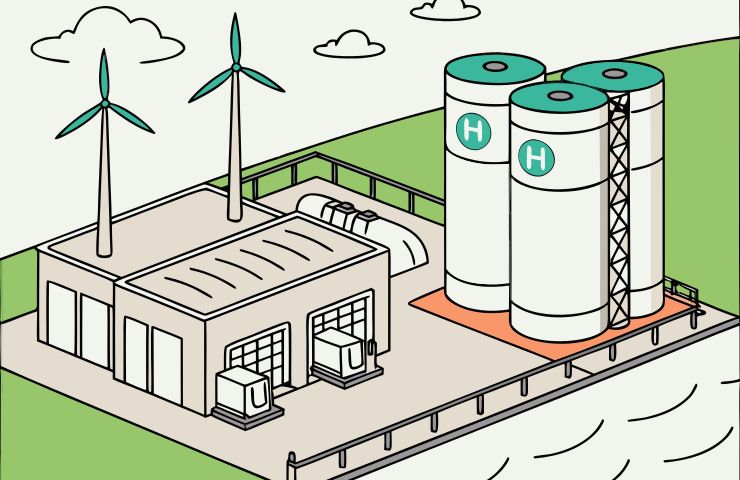
You can’t fill up a plane if there’s nowhere to store the fuel. Airports will need on-site electrolyzers powered by renewables, liquefaction units, and insulated pipelines. Terminals must install cryotanks and update safety protocols. Yes, it requires hefty investment—but early hydrogen aviation hubs in Europe are already breaking ground.
Non-CO2 Climate Effects
Swapping out kerosene cuts carbon, but it doesn’t erase all climate impacts. Water vapor released at cruising altitudes can seed contrails and cirrus clouds that trap heat. Researchers are modeling flight paths and engine tweaks to mitigate these effects. It’s a key area of study to ensure hydrogen truly lives up to its green promise.
Money Matters
Last year, the hydrogen aviation market surpassed $2.16 billion and is growing at a double-digit clip. Investors are funneling capital into green hydrogen production, electrolyzers, cryogenic technologies, and airport refueling networks. Experts predict thousands of new jobs—from production to maintenance—as clean-tech clusters form around emerging hydrogen hubs. That’s a major economic lift for regions ready to pioneer zero-emission flights.
Beyond Regional Jets
Fuel cells shine on aircraft with fewer than 100 seats, but hydrogen combustion engines could scale to larger planes. Long-haul flights are still a long shot—they’ll need breakthroughs in storage density and ultra-lightweight tanks. But mid-range routes, once off-limits to batteries, could switch to hydrogen turbines within two decades if materials science keeps advancing.
Dr. Akhtar’s Vision
At the International Hydrogen Aviation Conference, Dr. Naveed Akhtar is bringing key players together. His mission? Turn today’s test flights into scheduled services by the early 2030s. Through IHAC, he’s championing global collaboration on technology, regulation, and supply chains. He’s also laser-focused on driving down green hydrogen costs and streamlining airport refueling processes—critical steps to move from demos to daily airline routes.
Looking to the Horizon
What’s next? Expect more headline-making demo flights, expanded green hydrogen plants, and evolving engine designs over the coming years. Regional airports could host daily zero-emission flights by mid-decade. And if battery tech hits another plateau, hydrogen might emerge as the only practical path to decarbonize short- and mid-range travel.
The Final Approach
Here’s the takeaway: hydrogen aviation isn’t just swapping fuels—it’s reimagining how we design, fuel, and fly aircraft. We’re shedding heavy batteries, cutting carbon emissions, and laying the groundwork for truly sustainable air travel. Buckle up—your next flight might be the cleanest one yet.