Hydrogen-Electric Aircraft for Zero-Emission Regional Aviation
January 27, 2026A New Chapter in Regional Aviation
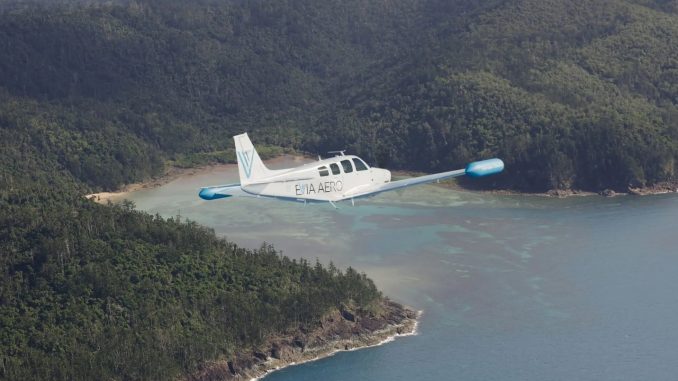
When EVIA AERO and Stralis Aircraft announced earlier this year they were expanding their partnership, it felt like a real turning point for clean regional aviation across Europe. The Bremen-based sustainable aviation startup inked a deal to convert five Beechcraft Bonanza A36 planes into hydrogen-electric aircraft, marking the largest single-customer retrofit order of its kind to date. Paired with EVIA’s earlier pledge for six 19-seat Beechcraft 1900D-HE airplanes, this move shows there’s genuine demand for zero-emission aviation on shorter hops, especially island runs in the Mediterranean and the North and Baltic Sea regions. It also dovetails perfectly with the EU’s ambition to decarbonize transport under its Fit for 55 strategy and national net-zero goals in Germany and Italy.
How Hydrogen-Electric Propulsion Takes Flight
The big idea here is marrying proven airframes with a clean-energy powertrain. These hydrogen-electric aircraft swap out piston or turboprop engines for fuel cells and electric motors, creating a zero-emission alternative. Here’s the breakdown:
- Hydrogen fuel cells: They generate electricity by combining onboard hydrogen with ambient oxygen, producing only water vapor and heat.
- Electric propulsion: The electric motors deliver instant torque and run whisper-quiet, making flights smoother for passengers and cutting noise around small airfields.
- Green hydrogen: EVIA produces hydrogen on-site via solar-powered electrolysis, backed by energy storage systems to keep things running even when clouds roll in.
The goal is to match the range and reliability of traditional piston-engine planes for hops up to a few hundred kilometers—perfect for island-hopping legs. Out in Brisbane, Stralis has been flight-testing two Bonanza A36 prototypes, gathering real-world data on power output, range, and system integration. That 200 kW demonstrator will pave the way for full retrofits, with deliveries set to kick off around 2029 for the European fleet.
Behind the Scenes: The Partners Driving Change
Pulling off this kind of project takes more than just an aircraft—EVIA AERO, led by Florian Kruse, has built an ecosystem of collaborators to get airports and energy infrastructure ready:
- Kassel Airport: Installing dedicated hydrogen refueling and handling facilities to keep turnarounds quick.
- AXSOL: Designing energy storage solutions that balance out solar variability and power continuous hydrogen production.
- Chemnitz Airport: Mounting photovoltaic arrays that feed green electricity directly into hydrogen generators.
- MDA Aircraft and Cranfield Aerospace: Advising on airport layouts, safety protocols, and maintenance procedures specific to hydrogen-electric aircraft.
Meanwhile, Stralis Aircraft continues to refine its retrofit kits back in Brisbane. Bob Criner points out that those flight hours are invaluable for smoothing out fuel cell integration and thermal management—key for both certification and scaling up to larger platforms.
Benefits Beyond Emissions
Switching to hydrogen-electric propulsion isn’t just a carbon-cutting stunt—there are real perks for operators and communities alike:
- Tourism and regional economies: Reliable zero-emission service to islands like Usedom, Helgoland, and Sardinia attracts visitors while preserving air quality.
- Quieter operations: Electric motors are significantly quieter than combustion engines, easing noise pollution around small airports.
- Flexible mission profiles: The Bonanza-A36-HE can pivot between island shuttles, medevac flights, and pilot training with minimal fuss.
- Cost savings: By cutting out jet fuel and using locally produced hydrogen, operators may see more predictable, lower fuel bills.
- Lower maintenance: Fewer moving parts in electric systems translate to simplified upkeep and less downtime.
- Infrastructure legacy: Investments in refueling stations, storage tanks, and solar installations lay the groundwork for future zero-emission aviation fleets.
All these advantages mean rural and island airports can evolve into hubs of clean mobility instead of staying chained to fossil fuels.
Local Impact: Islands and Economies
For destinations like Usedom and Helgoland off Germany’s coast, or sun-soaked Sardinia in the Mediterranean, greener flights are more than a marketing bullet point—they’re a lifeline. Residents and local businesses gain year-round, dependable connections without the roar and fumes of traditional aircraft. Hotels and tour operators see a boost, supply chains run smoother, and ferry-dependent routes get a cleaner—and often quicker—alternative. Plus, training local technicians on hydrogen-electric systems creates new jobs, helping build a future-ready workforce in regions long tied to diesel generators and legacy refueling gear.
Learning from the Past, Building for Tomorrow
This order for Bonanza-A36-HEs builds directly on EVIA AERO’s earlier commitment as Stralis Aircraft’s first European launch customer. That initial deal—six 1900D-HE planes with ten options—proved there’s genuine interest in a hydrogen-powered regional aviation fleet. The insights gained, from certification challenges to airport readiness, have smoothed the roadmap for these smaller conversions.
Once the first five Bonanzas are in the air, EVIA and Stralis expect to apply the same playbook to other popular piston or turboprop models, potentially branching into business aviation and cargo segments. In fact, the teams are already discussing follow-on demonstrators that could push beyond 200 kW of power.
Charting the Course Ahead
You might be wondering what comes next after these five Bonanza-A36-HE retrofits. For EVIA AERO, it’s part of a bigger vision: a point-to-point network of medium and island airports across Europe, all powered by sustainable hydrogen and solar electricity. As the fleet grows, so will the supporting ground infrastructure—making hydrogen refueling as routine as topping up Avgas today.
On Stralis Aircraft’s side, the focus remains on perfecting its hydrogen-electric retrofit kit and navigating certification pathways. Success in the Southern Hemisphere tests could fast-track approvals here in Europe and beyond, helping other operators jump on the bandwagon.
At the end of the day, this isn’t just a five-plane order—it’s a live demonstration that hydrogen-electric aircraft and true zero-emission aviation can work at scale. Picture hopping on a flight to your favorite island, knowing the only thing you’re leaving behind is a trail of water vapor. These first flights are set to chart a green course for aviation’s future—stay tuned for takeoff.

 With over 15 years of reporting hydrogen news, we are your premier source for the latest updates and insights in hydrogen and renewable energy.