Hydrogen Energy News: JCB Hydromax Aims 350 mph at Bonneville with Hydrogen Combustion Engine
JCB’s Hydromax, a hydrogen combustion-powered streamliner, aims to break 350 mph at Bonneville, validating a £100 million hydrogen engine investment and charting a path for zero-emission heavy machinery.
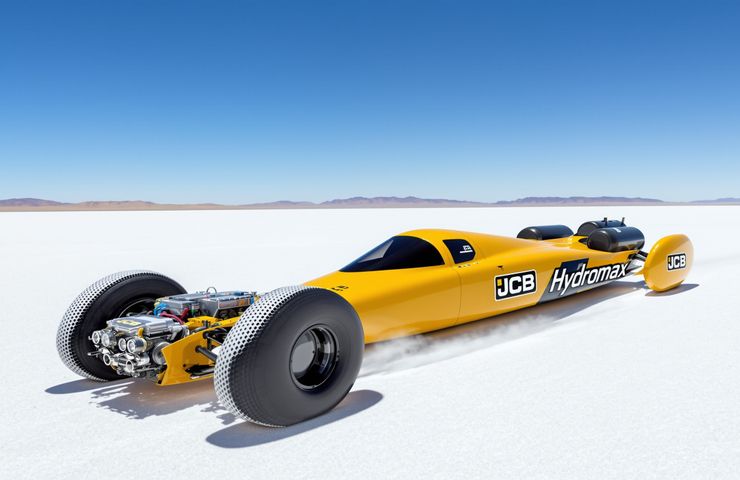
JCB is gearing up for an exhilarating return to the Bonneville Salt Flats with its latest creation, the Hydromax streamliner. This sleek, 32-foot vehicle is powered by twin hydrogen combustion engines, and the team is aiming to break the sound barrier—hoping to hit speeds over 350 mph! But this isn’t just about speed; it’s a significant step forward in proving that hydrogen combustion technology can go mainstream, thanks to a massive £100 million investment and five years of dedicated development. Getting the nod from the FIA is a big deal, too, as it combines JCB's rich motorsports legacy with a commitment to reducing industrial emissions. In this article, we’ll dive into what makes Hydromax a game-changer in the world of hydrogen vehicles.
- Hydromax features two 4.8 L hydrogen combustion engines, cranking out a whopping 1,600 bhp through a sophisticated twin-transmission system designed by Ricardo.
- It uses automotive-grade carbon composite tanks holding hydrogen at 350 bar, showcasing effective hydrogen storage solutions for heavy machinery.
- These carbon composite tanks come equipped with aluminum liners sheathed in carbon fiber, which balances durability with lightness—pretty smart engineering!
- With European certification expected by early 2025, and full EU Stage V Type Approval by mid-2025, look out for hydrogen-powered diggers flooding the commercial market worldwide.
- Getting the go-ahead from the FIA means Hydromax is stepping into a solid regulatory landscape for land speed records.
- This initiative maps out a zero-emissions path for off-road machines while leveraging existing diesel engine designs to make hydrogen production easier to integrate.
- It builds on JCB’s previous record of 350.092 mph set with the Dieselmax in 2006, aiming to not just match it but set new benchmarks with hydrogen combustion.
- Engineering partner Prodrive, along with Ricardo for transmission, and JCB’s own mobile hydrogen bowsers, are helping to bring this ambitious project to life.
Powertrain and Aerodynamics
At its heart, Hydromax is all about that hydrogen combustion engine tech that stays true to the traditional internal combustion principles—except, it only emits water vapor! Each of its powerplants injects hydrogen at a hefty 350 bar into specially modified cylinders, igniting via spark plugs rather than relying on compression. The combined output is a staggering 1,600 bhp, driving all four wheels through a dual-clutch system engineered by Ricardo. This motorsport-inspired setup enhances torque distribution, manages traction control, and provides the kind of stability you need when you're aiming for record speeds.
On the aerodynamics front, the Hydromax streamliner sports a sleek nose cone and smooth side panels designed to slice through the air with minimal drag. Its central rear wing helps manage downforce, crucial for stability at those crazy speeds. Weighing less while maintaining strength is key, so JCB’s team used composite materials like carbon fiber and fiberglass. They've shaped the body to direct airflow just right, cutting down on turbulence when pushing past the 350 mph mark.
The innovative mobile refueling setup makes use of hydrogen bowsers—essentially tanker units based on JCB equipment—capable of fueling multiple machines as needed. This clever approach aims to tackle the challenges around hydrogen infrastructure and refueling stations by remaking existing resources, which could come in handy at remote sites or temporary projects.
Strategic Implications and Market Dynamics
The whole Hydromax venture is more than just a speed attempt; it’s a high-profile testament to JCB’s shift toward zero-emission technology in heavy equipment. By using tried-and-true diesel engine supply chains, they sidestep the pitfalls of relying on rare materials—a smart move for keeping hydrogen infrastructure costs in check. Analysts are buzzing about the zero-emission heavy machinery market, expecting it to skyrocket from $12.77 billion to around $47.16 billion by 2034, reinforcing JCB’s strategic vision.
The anticipated Stage V approval paves the way for launching hydrogen diggers commercially by 2025, with over 130 demo models already in action. This positions JCB to attract clients in construction, mining, and material handling sectors all eager for greener powertrains. But there’s a caveat: the environmental impact largely depends on how the hydrogen is sourced. While green hydrogen via electrolysis promises cleaner outcomes, many existing operations still depend on gray hydrogen derived from natural gas. JCB hasn’t disclosed the fuel origins for Hydromax, leaving the door open for scrutiny on lifecycle emissions.
On the policy front, success at Bonneville could really shake things up, potentially influencing subsidy strategies and carbon pricing. If this record attempt validates their performance claims, regulators might cozy up to hydrogen combustion engines, spurring infrastructure investments and clean hydrogen offtake agreements. Plus, it highlights how well-targeted hydrogen project financing—with that hefty £100 million investment—can drive rapid tech advancements and legitimize commercial viability.
Historical Context
JCB isn’t new to pushing boundaries; they previously set the world diesel speed record with the Dieselmax, zooming to 350.092 mph back in 2006. Since then, hydrogen propulsion has made strides too! The Ohio State University’s Buckeye Bullet 2 hit 302.877 mph in 2009 for fuel cells, while the fastest hydrogen internal combustion record sits at 185.5 mph. Bonneville has a century-old legacy of speed records, from the original 300 mph Bluebird in 1935 to the astonishing 630 mph set by Gary Gabelich's rocket-powered Blue Flame in 1970. With Hydromax, JCB aims not just to match its diesel record but leapfrog existing hydrogen benchmarks, all while operating strictly under established regulations. This initiative is rooted in using production-based power units from JCB's commercial lineup, which underscores the seamless transfer of technology from job sites to salt flats.
Looking Ahead
If Hydromax manages to break the 350 mph barrier, it won’t just dethrone the existing hydrogen fuel cell record of 303 mph; it’ll reinforce JCB’s Dieselmax legacy. This leap highlights hydrogen combustion engines as a solid option for industrial decarbonization. Competitors like Cummins, Hyundai, and Liebherr are also getting into the hydrogen engine game, but JCB’s approach to combining commercial viability with record aspirations might just shift the balance in the market.
While fuel cell vehicles typically have efficiency perks that range from 40-60%, the technology behind Hydromax showcases how hydrogen combustion can bring simpler maintenance and lower upfront costs without sacrificing performance. Unlike electric drivetrains that come with complex stacks and electronic systems, JCB’s focused mechanical design affirms that hydrogen combustion can deliver the goods when it comes to record-breaking speeds.
But JCB isn’t stopping with just racing; they plan to roll out hydrogen engines across various machinery types, like backhoe loaders, excavators, and telehandlers. They’re turning milestones in motorsport into the mainstream of industry. As green hydrogen supply ramps up and costs drop, we’re likely to see a wider embrace of zero-emission machinery in heavy-duty tasks, supported all the way by improved hydrogen production methods, innovative storage strategies, and smart refueling solutions.
About JCB
J.C. Bamford Excavators Limited has been a force in the heavy construction equipment scene since 1945. Under the guidance of Chairman Anthony Bamford, the company has expanded its reach globally, heavily investing in hydrogen engines. With early 2025 European certification and plans for commercial hydrogen-powered machinery, JCB is not just looking to innovate but also exploring partnerships for hydrogen infrastructure across key markets. Their solid project financing record supports that impressive £100 million commitment, showcasing their ability to tackle significant engineering challenges head-on.