
Hydrogen Fuel Cell Breakthrough from UNSW Sparks Clean Energy Momentum
April 13, 2026There’s a real buzz around Sydney’s renewable energy scene this month as researchers at the UNSW unveil a redesigned hydrogen fuel cell that tackles a long-standing technical barrier. With carbon-intensive sectors like aviation and heavy transport hunting for zero-emission solutions, this game-changer could offer a glimpse of what’s next in the world of clean energy.
A breakthrough at UNSW
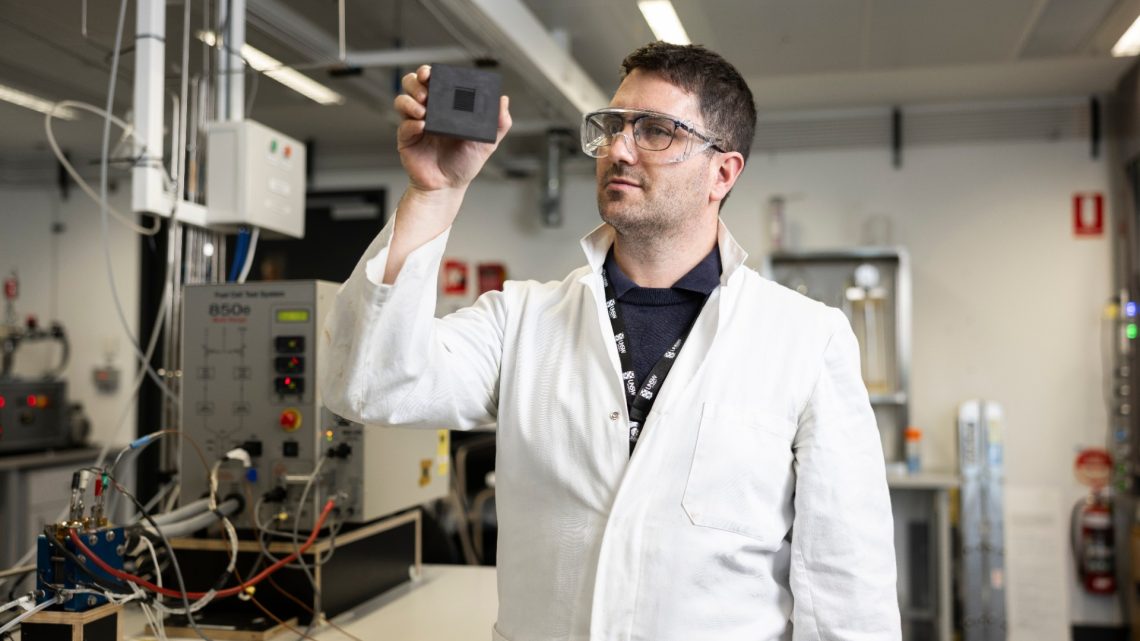
Right in the heart of the Kensington campus, engineers from the UNSW School of Engineering went back to the drawing board, reimagining the very core of a fuel cell. They’ve fine-tuned membrane stability and boosted proton conductivity, ironing out wrinkles in catalyst degradation and durability that once held progress back. A UNSW Newsroom update hints that early trials show this fresh architecture keeps churning out power longer under high-demand conditions, even though peer-reviewed data is still on the way.
Potential for heavy transport and aviation
It’s no secret that batteries can struggle with weight, range and refueling time, especially in heavy transport or aviation. That’s where the new hydrogen fuel cell steps in. Early tests hint operators could top up and be back at full power in mere minutes—offering a serious edge over traditional battery systems. Imagine a cargo ship docking to refuel swiftly and setting sail with zero emissions, or a freight train skipping hours of idling just to recharge.
Historical roots and modern momentum
Fuel cell technology dates back nearly two centuries to William Grove’s first cell in 1839, and NASA’s space missions in the 1960s supercharged decades of innovation. Yet, high costs and lifespan challenges persisted. Fast-forward to today: mounting climate targets and breakthroughs in green hydrogen production have reignited global research. UNSW, founded in 1949, has spent over 75 years forging partnerships across academia and industry to accelerate clean energy solutions.
Part of a global network
This announcement lands amid a wave of investment in hydrogen infrastructure. From Australia to Europe and under the US IIJA hydrogen programs, governments are pouring billions into scaling up electrolysis, storage and fuel-cell manufacturing. Collaborations between research bodies, private companies and regulators are weaving intricate value chains—and UNSW’s latest work is primed to plug right in, drawing fresh funding and industry partnerships. Meanwhile, this momentum is opening doors for pilot projects that could redefine how we produce, store and transport hydrogen worldwide.
Challenges and the road ahead
Of course, turning a lab prototype into a market-ready product involves navigating a maze of regulations and logistics. Upfront costs, the spread of refueling stations and strict safety protocols around compressed hydrogen are real hurdles. But hybrid systems that pair fuel cells with batteries or local microgrids are already on the drawing board, offering bridge solutions for phased rollout. Now, the team at UNSW is scouting for industry partners to pilot this design in real-world settings, from port yards to regional transport corridors.
Looking ahead, this revamped fuel cell is a concrete step toward decarbonizing some of the toughest industries to electrify. At scale, it could slice a massive chunk off global emissions, kickstart thousands of jobs in advanced manufacturing and turbocharge national net-zero plans. This is exactly the kind of breakthrough that gets you excited about the future of clean energy. For scientists and policymakers alike, it’s a reminder that innovation—rooted in decades of research—can still surprise us and reshape how we power our world.


 With over 15 years of reporting hydrogen news, we are your premier source for the latest updates and insights in hydrogen and renewable energy.