
Hydrogen Fuel Cell Buses Workshop Highlights Role Amid Zero-Emission Transit Trends
February 24, 2026This month, CUTRIC is dropping a real game-changer with its fuel cell bus workshop in Mississauga, backed by MiWay. Folks from transit agencies all over Canada—and even further afield—are gathering to check out a future-ready tech that also knocks a few headaches out of the park. You’ve probably noticed how battery electric buses dominate the zero-emission transit conversation, but hydrogen fuel cell buses still pack some serious perks: think longer hauls, fast fill-ups, and tailpipes that only exhale water. Let’s dive into why this hands-on workshop is a must-attend for agencies dead set on transit decarbonization.
The Rise of Zero-Emission Transit
Buses are a prime target when you’re slicing carbon footprints and cleaning up city air. Industry watchers like BloombergNEF say battery electric buses now make up the bulk of zero-emission orders worldwide. Heck, the International Energy Agency (IEA) even credits China with rolling out over half a million electric buses—talk about scale. Meanwhile, hydrogen fuel cell buses still represent a tiny sliver of fleets across the globe. Critics at CleanTechnica note that new hydrogen bus orders have dipped lately, though hard data is tricky to pin down. Still, agencies with ambitious net-zero goals can’t overlook hydrogen’s edge on long-haul or icy routes where batteries might falter. In the end, shifting policies and funding will steer which tech takes the lead.
How Hydrogen Fuel Cell Buses Work
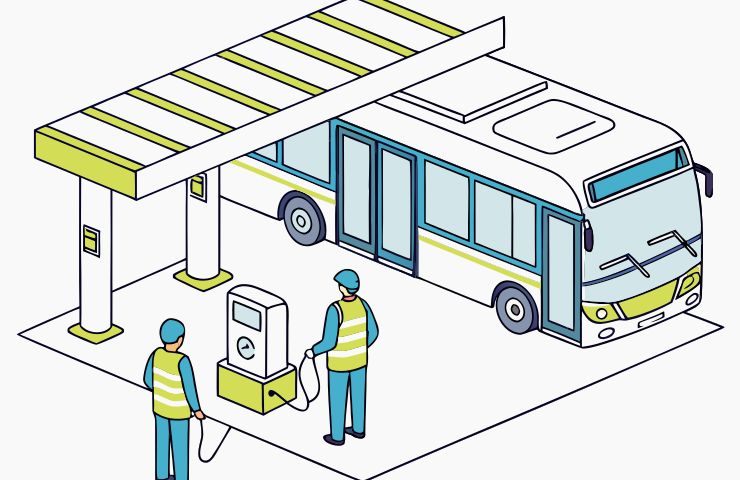
Here’s the lowdown: hydrogen fuel cell buses generate their juice by marrying hydrogen and oxygen in a fuel-cell stack, with water vapor as the only exhaust. That electricity powers your motors for a whisper-quiet ride. Efficiency sits around 30 percent end-to-wheel—so they gulp about three times more energy than ~75-percent-efficient battery electric buses. On the flip side, you can top off a hydrogen bus in 10–20 minutes and clock up to 300 miles before needing a refill. The catch? You need a full-on hydrogen production and refueling setup, which drives up both capex and opex compared to plug-in chargers.
Battery Electric Bus Advantages
Battery electric buses send power straight from high-voltage packs to motors, losing very little along the way. With end-to-wheel efficiencies hitting roughly 75 percent, they’re a clear winner for agencies looking to squeeze every joule out of the grid. Charging happens overnight at depots or via quick chargers during layovers, so you can sidestep most infrastructure headaches. Better battery chemistries and slick depot software stretch pack life and cut maintenance. And with tens of thousands of units rolling out yearly in North America and Europe—thanks in part to stacked federal and provincial grants—operators see uptime north of 95 percent. That consistency is gold for anyone juggling tight budgets and service demands.
Historical Pilots and Recent Funding
The hydrogen-bus story actually goes back two decades. SunLine Transit launched one of the first pilots in the early 2000s, while King County Metro tinkered with hydrogen hybrids by 2004. Fast-forward to 2022 and beyond, battery electric buses started flooding fleets via a surge of federal grants. Meanwhile, the U.S. Federal Transit Administration has been doling out cash for hydrogen pilots—take Gold Coast Transit in California, which snagged over $12 million to roll out fuel cell buses and fueling gear. These early programs are all about skilling up your team and weighing real-world trade-offs. The big question now: how do we scale hydrogen pilots without short-changing tried-and-true battery fleets?
Collateral Impacts and Infrastructure Challenges
Bringing hydrogen fuel cell buses into service isn’t as simple as plugging in chargers. Vehicle and fueling-station costs run much higher than for battery electric buses and their chargers. Plus, you’ll need specially trained staff to handle high-pressure gas, not to mention robust safety protocols. Since hydrogen often comes from natural gas with carbon capture or via electrolyzers powered by renewables, your lifecycle emissions can swing up or down. And don’t forget space for on-site storage, compressors and dispensers—plus grid upgrades if you’re making green hydrogen on the spot. Some forecasts peg the global fuel-cell bus market to jump from $1.8 billion to $11.1 billion in seven years—but only if we build out supply chains and fueling networks fast enough. Agencies should plan for backup diesel fleets too, just in case refueling hiccups threaten reliability.
Workshop Agenda and Strategic Takeaways
At the heart of this fuel cell bus workshop, experts from CUTRIC and MiWay will walk you through every step of readiness. We’re talking site risk assessments, hands-on staff training for hydrogen safety, and seamless integration of new buses without throwing your existing service off its rhythm. The goal? Keep battery electric buses humming along while carving out a niche for hydrogen—think cherry-picking routes where its strengths shine. Panel discussions will pit TCO models against each other, unpacking how energy prices, maintenance routines and grant windows impact your bottom line. You’ll leave armed with checklists, templates and case studies to hit that 95-percent-plus reliability target—and plan for a diesel shadow fleet if hydrogen delivery stumbles.
Looking Ahead
So, what’s the real secret sauce for agencies chasing transit decarbonization? For most, battery electric buses will remain the workhorses of zero-emission transit, thanks to mature charging networks and solid efficiency. But on routes where downtime is a no-go, hydrogen fuel cell buses could swoop in with longer ranges and lightning-fast fill-ups. This workshop offers a peek under the hood of hydrogen ops and helps planners chart a balanced course. By piloting at scale, transit systems can flexibly meet net-zero goals without sacrificing uptime. As emission targets tighten and energy policies evolve, the yin-and-yang of battery and hydrogen tech will drive the next wave of clean mobility. Bottom line: agencies have the tools to build a custom zero-emission fleet that plays to both technologies’ strengths for a cleaner future.


 With over 15 years of reporting hydrogen news, we are your premier source for the latest updates and insights in hydrogen and renewable energy.