Hydrogen Fuel Cell Generator Pilot: ACCIONA Launches First 80kW System at El Teniente Mine, Chile
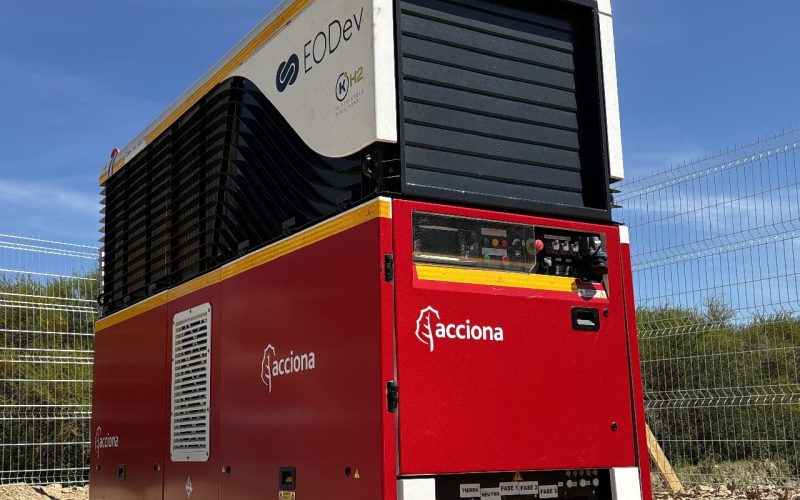
February 2, 2026This month, ACCIONA, the Spanish firm championing sustainable energy and industrial decarbonization, hit a new high: they fired up Chile’s first on-site hydrogen fuel cell generator in an actual construction environment. Nestled at the Carén reservoir expansion beside the massive El Teniente copper mine, the 80 kW GEH₂® unit takes over from diesel with full-on zero-emission technology.
Replacing Diesel with Zero-Emission Power
In places where the grid can’t reach—think remote mines or big infrastructure jobs—diesel has been king, but it’s a wallet-drainer and a pollution factory. Swapping in the GEH₂® system means skipping about 5 067 liters of diesel every three months. That’s around 13.6 tonnes of CO₂ saved per quarter, and roughly 54.4 tonnes a year—plus no more soot or NOₓ clouds hanging over the site.
Technical Dive: How the GEH₂® Generator Works
At its core, you’ve got an 80 kW GEH₂® hydrogen fuel cell generator. It’s a slick electrochemical marvel that mixes hydrogen and ambient oxygen to make electricity, spitting out nothing but water vapor. With fewer moving parts than a diesel engine, it cuts down on wear-and-tear—making it perfect for tough, off-grid digs. And with 80 kilowatts of punch, it can run office trailers, site lighting, and mid-sized equipment without a tether to the grid.
Regulatory Breakthrough and Supply Chain Considerations
To get this pilot up and running, ACCIONA scored the green light from Chile’s Superintendent of Electricity and Fuels (SEC), the first ever nod for this kind of hydrogen fuel cells setup in the country. It shows regulators are waking up to the zero-emission technology wave. But a key piece is missing: we still don’t know if the H₂ is from renewable electrolysis or traditional reforming. That distinction will make or break the project’s true carbon footprint, and everyone’s on edge waiting for those upstream details.
ACCIONA’s Hydrogen Journey: From Europe to Latin America
This Chile trial is the latest chapter in ACCIONA’s global hydrogen saga, which kicked off in Europe in 2023. They first ran a tower crane on hydrogen fuel cells at the Norte III Penitentiary Complex in San Sebastián, then tested a unit powered by reformed green methanol on a highway project in Cádiz. By 2024, they were Spain’s first constructor to deploy an 80 kW GEH₂® generator on Seville’s Centenario Bridge—now they’re bringing that know-how to Latin America.
Why El Teniente and Carén are Ideal Testbeds
El Teniente isn’t just the world’s largest underground copper mine—it’s also a spot that guzzles power like it’s going out of style. The nearby Carén reservoir build is critical for Codelco’s water management, sitting high in Chile’s Andes. If an 80 kW hydrogen fuel cell generator can handle these altitude swings and remote conditions, it’s a solid proof point for rolling out zero-emission technology in other off-grid mines and construction sites.
Strategic Implications for the Hydrogen Ecosystem
So, what’s in it for everyone? For EODev, it’s real-world proof that their GEH₂® unit can tackle harsh environments, giving future clients a blueprint. KH2 flexes Chile’s growing muscle in building out hydrogen infrastructure. And Codelco ticks a major box on its decarbonization goals, answering climate commitments. Overall, showing off cutting-edge hydrogen fuel cells in a tough locale could speed up sales cycles and slash the risk for other off-grid deployments.
Economic and Supply Chain Factors
Yes, an 80 kW hydrogen fuel cells system carries a heftier price tag than a diesel genset, but tally up fuel logistics, maintenance, and carbon costs, and the balance starts tipping. As hydrogen infrastructure grows and local H₂ production ramps up, the total cost of ownership can tick down—especially if carbon pricing stings or incentives kick in. The million-dollar question is how to get the gas to Carén: tube trailers, on-site electrolyzers, or a pipeline? Each route comes with its own costs, safety hoops, and timelines. What works here could shape Chile’s rules and spark more investment.
Aligning with Chile’s Green Hydrogen Vision
Chile’s government is putting big bets on green hydrogen as a future export champion, with gigawatt-scale electrolyzer projects already in the pipeline. While those mega-plants grab headlines, distributed pilots like Carén are the unsung heroes—they show how industrial decarbonization can happen in energy-hungry, off-grid spots. Get it right here, and you’ve got a model for mining, construction, and even remote telecom operations.
Building Local Expertise and Safety Protocols
Rolling out hydrogen fuel cells in demanding environments isn’t plug-and-play. That’s why ACCIONA, EODev, and KH2 have been running joint workshops, safety drills, and emergency run-throughs, crafting a training playbook. Installers need to know high-pressure gas handling, emergency shutoff procedures, and how to hook into existing power setups. These best practices will be priceless when other teams gear up for similar industrial decarbonization missions.
Looking Ahead: Scaling and Replication
As data from the Carén pilot rolls in, teams will scrutinize performance, reliability, and cost-effectiveness. Nail the targets without big hiccups, and this project could become the go-to blueprint for mines across Chile and beyond. But some questions linger: will regulators speed up approvals for new sites? Can hydrogen output keep pace with demand? And how fast can public and private partners rally to welcome newcomers into this budding market?
About ACCIONA
This Spanish multinational is all about infrastructure, renewable energy, and sustainable energy solutions. After piloting hydrogen fuel cells in Europe since 2023, they’re now expanding into Latin America, aiming to turbocharge industrial decarbonization for off-grid operations.
 With over 15 years of reporting hydrogen news, we are your premier source for the latest updates and insights in hydrogen and renewable energy.