Hydrogen Fuel Cell News: Lloyd’s Register Certifies Prince Madog Retrofit
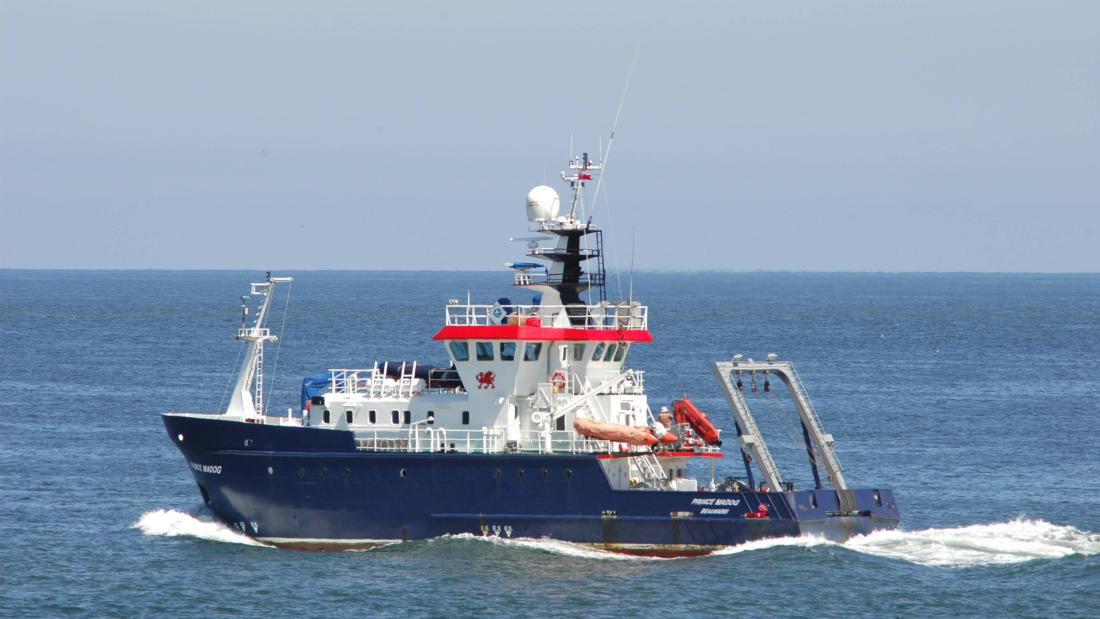
June 15, 2026Big news: The UK-flagged research vessel Prince Madog just hit a milestone—it’s received the thumbs-up from Lloyd’s Register for its innovative hydrogen fuel cell retrofit, all part of the ShipRight Risk Based Certification framework. As it sails through UK coastal waters, Prince Madog is gearing up to operate on a zero-carbon fuel mix, paving the way for real solutions in decarbonization at sea. The big reveal of this certification happened during a major workboat exhibition in Southampton, marking a significant moment for hydrogen fuel cell news in the maritime scene.
Project team members have dubbed this effort as one of the first manned hydrogen retrofits out at sea. This upgrade essentially transforms a standard research vessel into a cutting-edge example of what green hydrogen can do on the water. After clinching an Approval in Principle from Lloyd’s Register, the retrofit journey involved detailed engineering, careful system integration, and in-water trials, all leading up to the full class approval. Exciting stuff!
Risk-Based Certification: Navigating New Waters
With the ShipRight Risk Based Certification framework, Lloyd’s Register is moving away from rigid rule checklists to a more flexible, dynamic risk assessment model. Engineers and surveyors took a close look at potential hazards, from hydrogen leak situations to managing pressure, and created tailored safeguards for each possible failure. Engaging sessions helped system designers hit tough safety requirements. This performance-driven method is all about making sure that everything from hydrogen storage to the fuel cell, battery pack, and supporting equipment operates safely—even in challenging maritime environments.
This certification builds on LR’s earlier guidelines for integrating fuel cells and generating hydrogen onboard, as well as its work with academic partners to set standards for liquid hydrogen shipping. The insights gained from these collaborations helped the team nail down essential aspects like ventilation, leak detection, pressure relief, and emergency protocols—the secret ingredients for safe hydrogen operations.
A Collaborative Powerhouse: O.S. Energy and Ecomar Propulsion
The brains behind this project? A dynamic duo! It’s spearheaded by the Naval Architecture and R&D team at O.S. Energy, a German offshore services company that’s making waves with its clean energy initiatives. They took care of deck layouts, structural tweaks, and hull integration for the high-pressure hydrogen tanks. On the other side, UK-based Ecomar Propulsion was busy developing the systems—from picking the right fuel cell stacks and battery modules to crafting control algorithms and safety systems.
According to Nik Lekkas, Ecomar’s Chief Technical Officer, this certification really highlights how hydrogen-powered solutions in the maritime sector are gaining traction. It not only strengthens their capability to support ports, shipowners, and new builds but also sets the stage for future-ready propulsion systems. Together, they’ve crafted a blueprint for retrofitting existing vessels that minimizes downtime while maximizing operational flexibility.
The Secret Sauce: Hybrid Propulsion with Hydrogen and Batteries
This hybrid system merges onboard gaseous hydrogen storage with fuel cells that transform chemical energy into electricity without the mess of combustion. When hydrogen mixes with oxygen in the fuel cell stacks, the only outputs are electricity, heat, and water. A battery pack kicks in to handle peak loads and store extra energy, smoothing out power fluctuations and cutting down on overall hydrogen use. It’s a forward-thinking design that tackles operational hurdles head-on.
What’s cool about this hybrid setup is its versatility. It can run steadily on hydrogen fuel cell power, provide energy bursts from batteries during dynamic positioning, and even operate purely on electricity in zero-emission zones. This adaptable strategy strikes a balance between efficiency and environmental performance, showcasing how hybrid propulsion can meet various mission needs.
Support from the Clean Maritime Demonstration Competition
The backing from the UK Government’s Clean Maritime Demonstration Competition has been crucial for making this groundbreaking retrofit happen. By funding early-stage demonstrations of low and zero-emission technologies, this competition helps break down financial barriers that often hold back pioneering projects. With public sector support, the team sped up design tweaks, equipment procurement, and sea trials, allowing them to gather data that is invaluable for shaping regulations and commercial strategies.
Thanks to support from the CMDC, the Prince Madog crew conducted controlled trials in UK coastal waters, capturing performance metrics across different operational scenarios and documenting safety protocols in real conditions. This evidence doesn’t just inform the project; it contributes to national policy discussions, helping pave the way for hydrogen refueling stations and shore-side infrastructure.
Built for Real-World Impact
This isn’t just some lab experiment; the Prince Madog project is a genuine pilot operation. Lloyd’s Register mentioned in its report, Fuel for thought: Hydrogen, that safety, cost, and infrastructure challenges have previously hindered the uptake of hydrogen. But this retrofit is tackling those issues head-on, producing real data on system performance, reliability, and maintenance in the true maritime setting.
The vessel’s zero-emission mode helps eliminate CO₂ and local pollutants right at the source, although the actual environmental benefits hinge on sustainable hydrogen supply chains. This project is aligned with broader Net Zero 2050 targets, emphasizing the significance of renewable hydrogen production and robust refueling networks.
Implications for Maritime Decarbonization
The certification offers a replicable path for shipowners and tech providers alike. Gaining class approval under risk-based systems can ease the uncertainty around investments and encourage lenders to back hydrogen initiatives. Plus, it can influence IMO guidelines and national regulations, effectively demonstrating strong safety protocols and system integration practices.
At the end of the day, risk-based certification is writing a new chapter for hydrogen propulsion. It opens flexible routes for retrofitting workboats and research vessels and might even apply to larger commercial fleets down the line. As ports gear up for hydrogen bunkering and related infrastructure, more vessels will have the chance to incorporate zero-emission fuel sources, shaping a more sustainable future for shipping.
Next Steps and Industry Takeaway
With certification under its belt, the Prince Madog will enter a demonstration phase, where operational data will be collected from a wide range of missions—from oceanographic surveys to coastal monitoring. This information is set to drive design improvements in hydrogen storage layouts, control algorithms, and maintenance routines. The project partners are eager to share their insights through technical workshops and publications, ensuring that the broader maritime community reaps the benefits of their experiences.
As more projects follow suit, risk-based certification might just become the standard way of integrating new fuel technologies on ships. This not only speeds up decarbonization efforts but also fosters a more resilient maritime sector—one where innovation successfully sails alongside safety and sustainability. The future is looking bright: with frameworks like ShipRight Risk Based Certification leading the charge, hydrogen propulsion isn’t just a distant dream—it’s already here.


 With over 15 years of reporting hydrogen news, we are your premier source for the latest updates and insights in hydrogen and renewable energy.