Hydrogen Fuel Cell Technology: Hyundai Rotem Debuts ‘Black Veil’ at Riyadh Defense Show
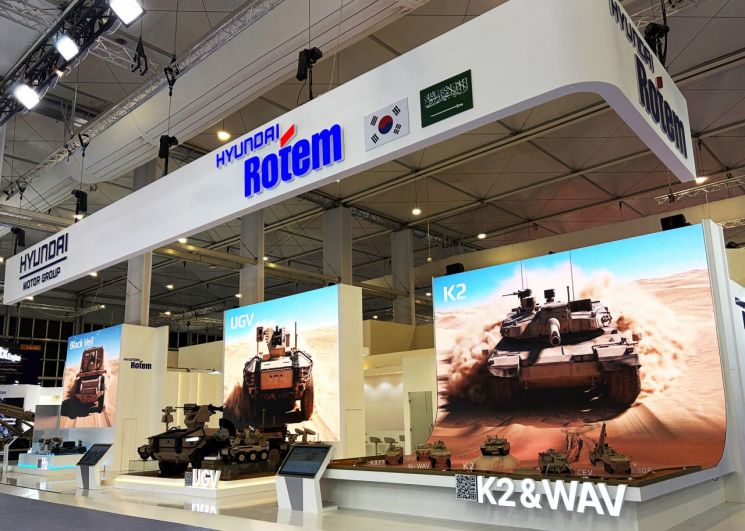
February 18, 2026We’re thrilled that Hyundai Rotem is finally taking its cutting-edge hydrogen fuel cell technology beyond South Korea’s borders. At this month’s Saudi defense exhibition in Riyadh, the company will flaunt its latest fuel cell breakthroughs and pull back the curtain on its unmanned mobility juggernaut called ‘Black Veil’. What kicked off in 1977 as Hyundai Precision Industry has since evolved into a vital arm of Hyundai Motor Group, stretching its expertise from high-speed trains to battle tanks. This launch couldn’t come at a better time, meshing perfectly with Saudi Arabia’s Vision 2030 goals for energy diversification, cleaner defense logistics, and tighter global alliances.
The World Defense Show, back in Riyadh after its 2022 debut, is the ultimate playground for defense pros, tech giants, and government delegations. It’s got everything: cutting-edge demos, face-to-face deal-making, and a spot-on focus on tackling tomorrow’s security hurdles head-on. For Hyundai Rotem, this stage is golden. What better place to prove that hydrogen fuel cell technology isn’t just a lab toy, but truly battle-tested in blazing desert heat and ready to power unmanned mobility missions where reliability is non-negotiable?
Solving Real-World Problems with Clean Energy
In defense scenarios, you need power that goes the distance, stays whisper-quiet, and won’t bail on you when things get rough. Enter hydrogen defense solutions. The concept is straightforward: use renewable juice to crack hydrogen, then funnel it into fuel cells that churn out electricity and water vapor—no nasty emissions, no hulking generators. Unlike batteries that demand hours to recharge, fuel cells top up in minutes, deliver rock-steady output, and slash logistical headaches. Hyundai Rotem’s stacks tear hydrogen molecules into protons and electrons, sending electrons off to drive electric motors while protons glide across a membrane. The result? Unmanned ground vehicles and support convoys that weigh less, refuel faster, and keep their cool under fire—exactly what future operations crave.
Made in South Korea, Geared for Saudi Arabia’s Future
Hyundai Rotem didn’t get its chops overnight. Years of fine-tuning high-speed trains, locomotives, and armored giants like the K1 series have sharpened its engineering edge. Now, that know-how is funneled into modular hydrogen units built in Korea but primed for local assembly, servicing, or even co-production in Saudi Arabia. By tapping into robust R&D networks back home, the company plans to bolster domestic hydrogen infrastructure—one of the crown jewels of Vision 2030. Maintenance hubs, technician training, and joint ventures could spark fresh job opportunities and forge a homegrown supply chain.
Right in Step with Vision 2030
Vision 2030 isn’t just a buzzword—it’s an all-in bet on diversifying Saudi Arabia’s economy, slashing oil dependence, and building out clean energy sectors like green and blue hydrogen. Events like the Saudi defense exhibition act as catalysts, pulling investors and innovators into the same room. By aligning its hydrogen fuel cell platforms with national strategies, Hyundai Rotem is serving up extended mission range, lightning-fast refueling, and ultra-low thermal signatures. In desert conditions where temperatures soar, these systems promise rock-solid performance without breaking a sweat.
Boosting Defense and Green Tech
Marrying defense readiness with eco-smarts isn’t pie in the sky—it’s happening now. Diesel generators might be the old faithful, but they’re heavy on logistics and emissions. Hydrogen fuel cell technology flips the script: cut carbon footprints, lower noise levels, and simplify supply lines—no more trucking tons of fuel into remote outposts. You can set up modular refueling pods right at the front, slash transport risks, and swap parts across different vehicle models. That means fewer spares clogging warehouses, more flexible deployments, and a leaner logistical footprint.
Tapping into Korean Engineering Excellence
From its roots in rail to its leap into defense, Hyundai Rotem has built a reputation for crafting bulletproof, high-performance machinery. The K1 series tanks showed off Korea’s industrial muscle decades ago; today, the frontier is unmanned systems powered by green energy. While some specs of the ‘Black Veil’ system remain under wraps, insiders say it pairs advanced fuel cell stacks with rugged electric drives to stretch range and boost stealth. It’s the payoff of lessons learned from Hyundai’s EV and hydrogen car projects—a smart mix of road-tested know-how and battlefield toughness.
Economic and Tactical Benefits
Beyond the green perks, hydrogen-powered defense platforms can shake up procurement and lifecycle costs. Agile deployments, fewer resupply missions, and streamlined supply chains spell serious savings over time. Economically, a budding hydrogen defense ecosystem could ignite local manufacturing, prop up service industries, and create skilled jobs in everything from high-voltage systems to membrane tech. Saudi investors get tried-and-true solutions, while Korean firms cement their footprint in one of the world’s most ambitious hydrogen markets.
Looking Ahead
Sure, not every detail of ‘Black Veil’ is public yet, but this showcase in Riyadh offers a tantalizing glimpse at what’s next. As Saudi Arabia amps up its hydrogen economy, partnerships like this one are set to sprout local assembly lines, advanced R&D efforts, and even more joint ventures. We’re on the cusp of a major shift—hydrogen’s leaping from passenger cars and trains to the front lines, promising smarter logistics, cleaner ops, and a fresh playbook for defense mobility in the Middle East and beyond. Keep your eyes peeled for field trials and rollout updates—you won’t want to miss how this tech rewrites the rules.
 With over 15 years of reporting hydrogen news, we are your premier source for the latest updates and insights in hydrogen and renewable energy.