Hydrogen Fuel Cell Tractor Trials at Seville Port Under Hydea Project
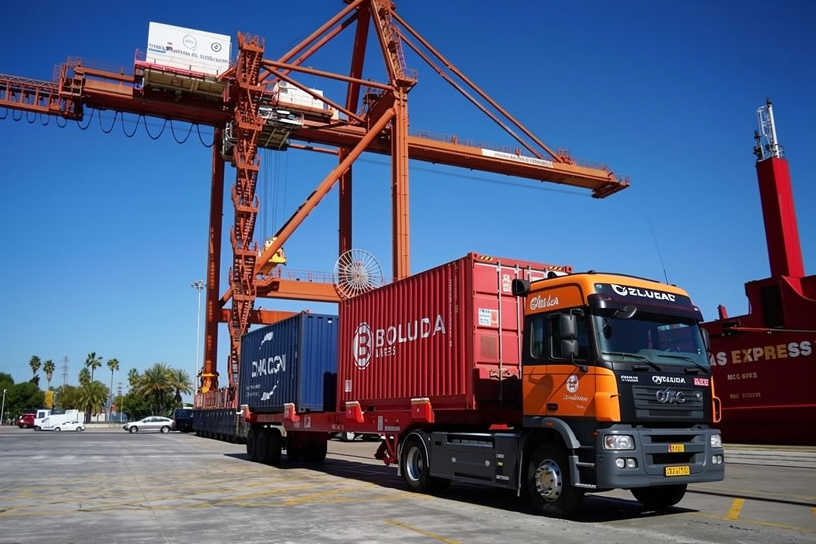
March 27, 2026At Seville’s main maritime terminal, there’s a quiet revolution brewing. This month, the Terminal Marítima del Guadalquivir rolled out its first hydrogen-powered tractor as part of the European Hydea project, marking a big moment for zero-emission vehicles in port operations. Developed by H2TOW, this hydrogen fuel cell tractor is built to match diesel-level grunt while wiping out local CO₂ emissions and slashing air pollutants. It’s a glimpse of how ports can pivot toward cleaner logistics without skipping a beat on efficiency.
Why Seville Port for Hydrogen Tractor Trials?
Seville’s spot on the Guadalquivir River has been a trade hub for centuries. Today, the region is at the forefront of Europe’s shift to cleaner energy. The port authority chose the Terminal Marítima del Guadalquivir for this leg of the Hydea project trials because its operations run like clockwork, it offers easy river access, and it’s fully on board with the EU Green Deal’s green energy goals. With container and general cargo movements following set schedules, the port provides a controlled testing ground for zero-emission vehicles. Trialing the H2TOW tractor here lets everyone gather real-world data on performance and readiness for a wider roll-out across European facilities.
How Does Hydrogen Fuel Cell Technology Work?
This hydrogen fuel cell tractor at Seville Port converts hydrogen gas into electricity through an electrochemical process, emitting nothing but water vapor. Here’s the lowdown:
- Hydrogen Fuel Cell Stack: Hydrogen molecules split at the anode into protons and electrons. Those electrons zip through an external circuit to power the traction motors.
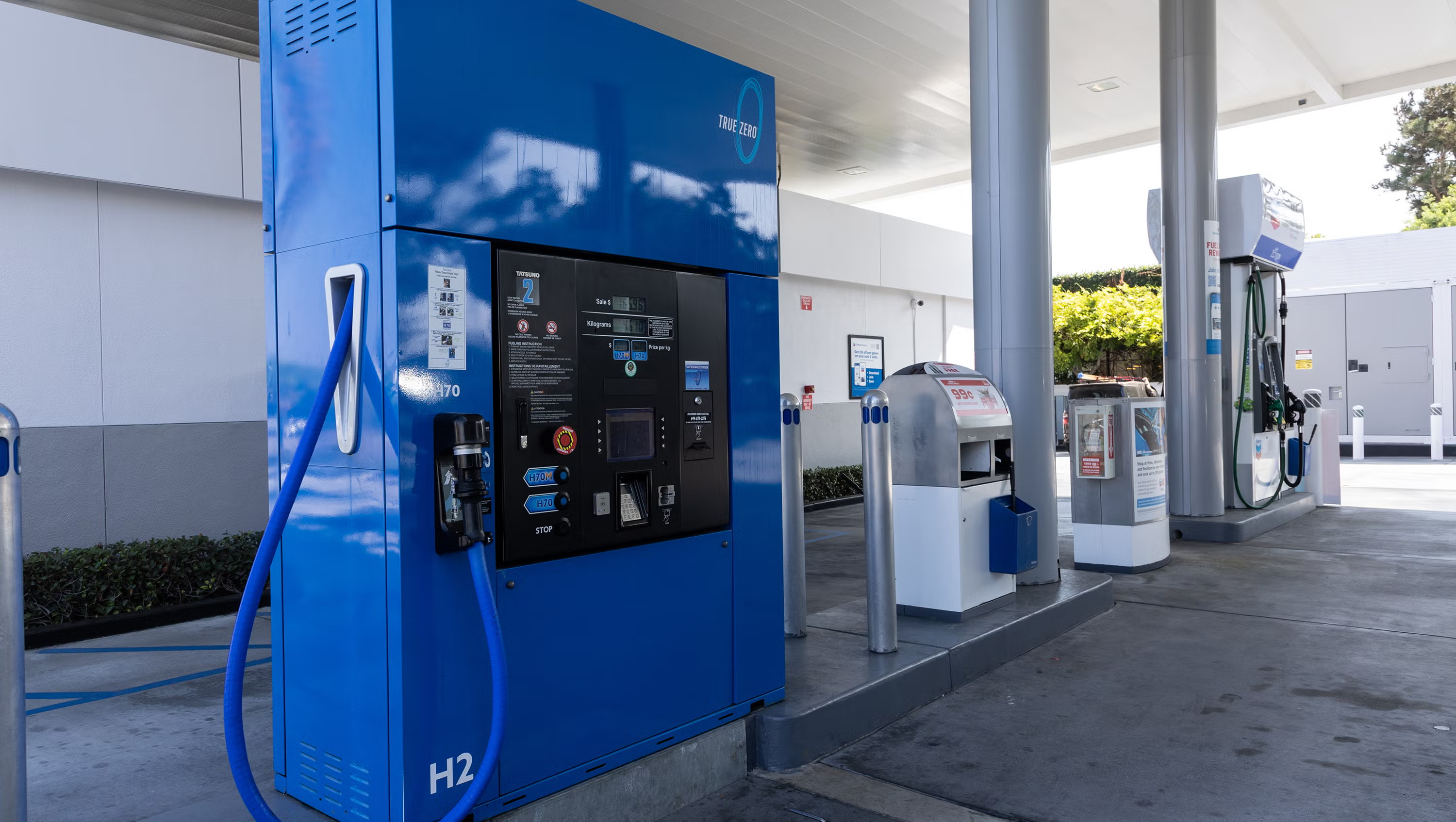
- Hydrogen Storage Systems: Onboard tanks store compressed hydrogen at 350–700 bar, striking a balance between energy density and safety.
- Electric Traction Motors: Permanent magnet synchronous motors deliver the high torque you need to haul heavy loads without breaking a sweat.
- Regenerative Braking: When you ease off the throttle, the motors switch to generators, capturing kinetic energy to recharge auxiliary batteries and boost range.
Refueling takes about three to five minutes—just like diesel fill-ups—but the only tailpipe output is water vapor. According to H2TOW, this setup keeps performance in line with conventional tow tractors while booting local CO₂ and particulates right out.
Who’s Steering the Project?
This trial at Seville is a real team effort:
- Hydea project: An EU-backed initiative to validate hydrogen-powered traction vehicles in industrial and port settings, backing cross-border demos to accelerate adoption.
- H2TOW: The company behind the hydrogen fuel cell tractor, specializing in heavy-duty material handling that delivers diesel-equivalent performance.
- Terminal Marítima del Guadalquivir: The port authority hosting the trials, supplying infrastructure and operational data so everyone can see how the vehicles hold up under real logistics cycles.
It’s all part of the EU’s Fuel Cells and Hydrogen Joint Undertaking, driven by the shared goal of proving that hydrogen can handle intense industrial tasks without missing a beat.
Benefits on the Horizon
Switching to hydrogen in port logistics hydrogen promises a host of perks:
- Environmental: Zero tailpipe CO₂ and particulate emissions mean cleaner air for nearby communities and a solid push toward EU decarbonization targets.
- Industrial: Demonstrated reliability in predictable port cycles could spur investment in refueling infrastructure and grow technical expertise.
- Economic: New jobs spring up in hydrogen production, station deployment, and maintenance as the port logistics hydrogen ecosystem expands.
- Regulatory: Trials help ports meet upcoming zero-emission vehicle mandates and stay aligned with the EU Green Deal for maritime and logistics sectors.
Of course, challenges remain—building out refueling networks, the cost of green hydrogen, and nailing down safety protocols for high-pressure gas. Conquering these hurdles is key to moving beyond the demonstration phase.
Building on Past Lessons
The Seville demo isn’t happening in a vacuum. It builds on Europe’s 2020 hydrogen strategy and the Fuel Cells and Hydrogen Joint Undertaking, which laid the groundwork for pilot projects. Earlier heavy-duty trials—like Hyundai’s Xcient trucks in logistics parks and Daimler’s GenH2 prototypes—showed both the promise and the speed bumps: the need for robust refueling networks, standardized safety procedures, and cost-effective green hydrogen production. By focusing on a controlled port environment, the Hydea project tackles these variables head-on, gathering data on uptime, energy use, and maintenance requirements. This structured approach lights the way for scaling hydrogen solutions across hard-to-decarbonize transport sectors.
What’s Next for Hydrogen in Ports?
With initial insights from Seville in hand, project partners will dive into performance, range, and operational cost data to map out broader deployment plans. If the numbers check out, similar trials will likely roll out at other EU ports, creating a network effect that could lower infrastructure costs and spark demand for green hydrogen. Meanwhile, advances in electrolyzer technology and the growth of renewable power sources will be crucial to cutting upstream emissions and making hydrogen more affordable. Success in ports could pave the way for hydrogen tractors at airports, warehouses, and industrial yards—driving Europe closer to its carbon-neutral logistics goals.
It’s an exciting time for clean logistics. As the Seville data rolls in, we’ll get a clearer picture of how hydrogen stacks up against battery-electric and other alternative fuels. One thing’s already certain: fuel cell tractors from H2TOW are steering us toward a future where heavy-duty equipment works quietly and emission-free in key industrial gateways. This is the real test of hydrogen’s potential, and the outcomes here could reshape how ports operate for decades to come.

 With over 15 years of reporting hydrogen news, we are your premier source for the latest updates and insights in hydrogen and renewable energy.