hydrogen fuel cells: $350,000 Grant Strengthens Connecticut’s Clean Energy Manufacturing
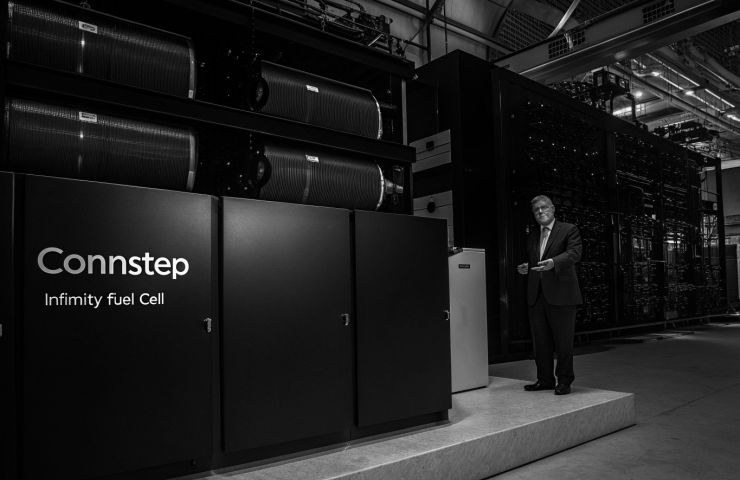
March 19, 2026Can a $350,000 federal grant really shake up Connecticut’s clean energy manufacturing scene? On March 13, 2026, U.S. Rep. John B. Larson made his way to Infinity Fuel Cell and Hydrogen, Inc. in Windsor, CT, to roll out funding for a new statewide advisory initiative. The money, tagged for CONNSTEP, is all about giving small and medium-sized manufacturers in the hydrogen fuel cells and fuel cell technology space a sharper competitive edge.
Summary of the Grant Announcement
At the Windsor gathering, Rep. Larson painted a picture of how this investment plugs into a bigger movement to build a thriving hydrogen economy in Connecticut. The Statewide Cross-Technology Energy Advisory and Service Initiative, run by the non-profit CONNSTEP, will deliver tailored advisory services, technical guidance, and strategic planning for companies exploring clean energy applications. By linking manufacturers with federal, state, and private resources, the program aims to speed up hydrogen production and fuel cell technology adoption, fortify aerospace and defense supply chains, and gear up for major federal opportunities like the Regional Clean Hydrogen Hubs competition under the IIJA.
Connecticut’s Manufacturing and Hydrogen Legacy
Connecticut isn’t new to manufacturing—its legacy in aerospace, defense, and advanced materials dates back over a century. More recently, the state has staked its claim as a pioneer in hydrogen energy. Under CT Gen Stat 16-245n, lawmakers set a December 2024 deadline for a comprehensive Connecticut Hydrogen Strategic Plan. And through programs like CHEAPR, which offers rebates for electric and fuel cell vehicles, Connecticut has built a policy framework designed to accelerate zero-emission technology deployment.
Backing Manufacturers Through CONNSTEP
For over 25 years, CONNSTEP has been in the trenches with manufacturers, guiding them through cutting-edge processes and equipment upgrades. This federal boost will underwrite a cross-technology advisory network, offering production workflow assessments, connections to grant and loan programs, and introductions to hydrogen safety experts. CEO Beatriz N. Gutierrez says the initiative will give Connecticut’s small and mid-sized businesses—especially those in defense and aerospace—a real leg up.
A Closer Look at Fuel Cell Technology
So, what’s the buzz about fuel cell technology? Essentially, fuel cells combine hydrogen and oxygen in an electrochemical reaction to generate electricity, emitting only water and heat. Proton exchange membrane (PEM) fuel cells, which operate at low temperatures, are well-suited to vehicles, backup power, and microgrid applications. Pair them with green hydrogen—produced via renewable-powered electrolysis—and you’ve got a zero-emission powerhouse ready to serve industrial sites and defense platforms.
Strategic Implications and Defense Partnerships
Building out a local hydrogen supply chain isn’t just smart business; it’s also a strategic win for national security. Infinity Fuel Cell and Hydrogen, Inc. has already delivered deployable green hydrogen microgrids to the U.S. Navy, slashing fuel convoy needs in forward areas. At the announcement, CEO Bill Smith highlighted a recent underwater vehicle test run entirely on the company’s fuel cell stack—proof that Connecticut innovators are playing a critical role in defense applications.
Statewide Support and Leadership
Sen. Richard Blumenthal joined the event to underscore the link between strong domestic manufacturing and national security. Rep. Larson, a long-time champion of clean energy funding, noted he’d raised over $431,100 in Q4 2026, reinforcing his commitment to projects that blend economic growth with sustainability.
State Incentives and Infrastructure
Beyond grants, Connecticut’s Department of Energy and Environmental Protection (DEEP) is rolling out incentives aligned with the state’s hydrogen plan. We’re talking rebates for fuel cell vehicles through CHEAPR, tax credits for electrolysis equipment, and pilot project grants—part of a comprehensive toolkit to help companies build out hydrogen infrastructure.
Eyeing Federal Hub Funding
With IIJA’s Regional Clean Hydrogen Hub awards ranging from $400 million to $1.25 billion, Connecticut is assembling a multi-state consortium to strengthen its proposal. Demonstrating a capable manufacturing base will be key to securing hub status—and unlocking even more investment and regional partnerships.
Economic and Workforce Benefits
This advisory network is set to create ripple effects across Connecticut’s economy: new markets for specialized components, high-skilled engineering and operations roles, and environmental justice outreach in underserved communities. Bolstering local firms now could pay dividends in reduced emissions, job creation, and a more resilient supply chain.
By channeling federal dollars through CONNSTEP, Rep. Larson is putting real muscle behind Connecticut’s hydrogen ambitions. As the state gears up in the clean energy race, its manufacturers are primed to lead the way—with strategic guidance, public investment, and homegrown innovation driving the future of hydrogen fuel cells and fuel cell technology.


 With over 15 years of reporting hydrogen news, we are your premier source for the latest updates and insights in hydrogen and renewable energy.