Hydrogen Fuel Cells Drive Hyliko’s HyT44 Trials in Occitanie
Three transport companies in Occitanie successfully trialled Hyliko’s HyT44 hydrogen truck under the European Corridor H2 initiative, validating hydrogen fuel cells for heavy-duty zero-emission logistics.
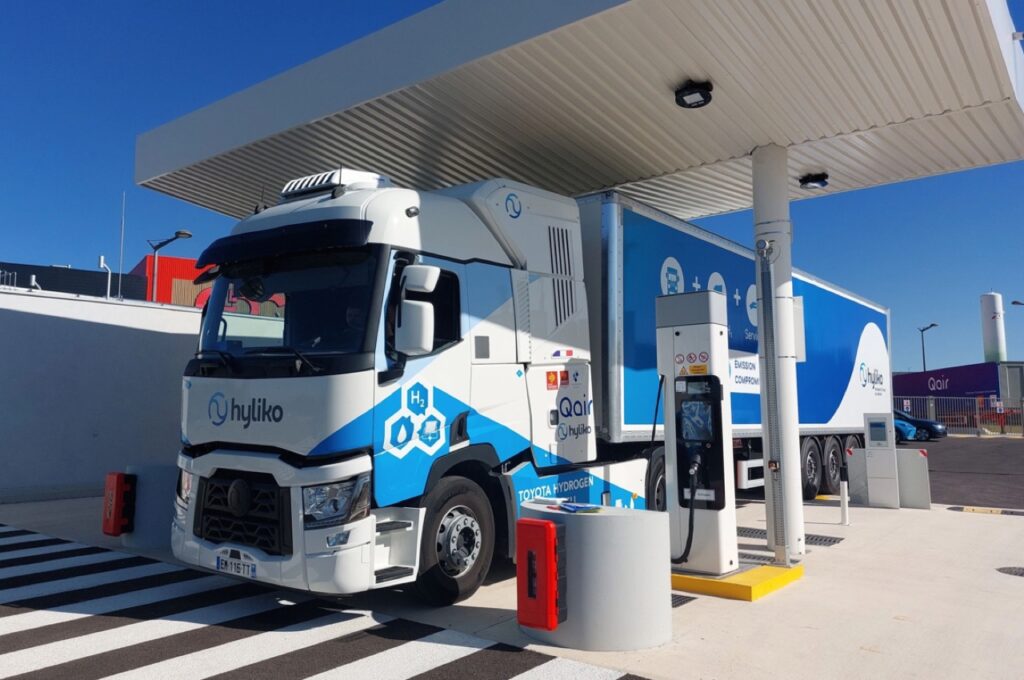
A few transport companies in Occitanie recently joined forces to give the Hyliko HyT44 1st Edition truck a proper workout, zipping it down regional highways and winding service roads to see how heavy-duty hydrogen propulsion performs in the real world. The trials, part of the European Corridor H2 initiative, are all about knitting together end-to-end hydrogen supply chains from Spain up to Germany. And the verdict? These field runs were a big win, showing that hydrogen fuel cells can punch above their weight for long-haul runs, refrigerated loads, and even tough construction jobs—without burning a single drop of diesel.
Real-World Testing in a Renewable Energy Hub
Occitanie really is ground zero for this kind of experiment. Born in 2016 when Languedoc-Roussillon and Midi-Pyrénées merged, the region has been on a renewable energy tear ever since. With its sun-soaked plains and wind-swept passes along the Pyrenees, Occitanie feeds a growing network of electrolysis plants cranking out green hydrogen. Ports in Sète and Toulon also make it a key gateway to southern Europe. Transport operators here haul everything from juicy strawberries to heavy machinery, so any zero-emission truck has to earn its stripes under all sorts of conditions. By putting the HyT44 through its paces across this mix of roads, Hyliko and its partners tapped into a landscape that’s basically tailor-made for next-gen hydrogen infrastructure.
Evolution of Heavy-Duty Hydrogen Mobility
Hydrogen fuel cell use in big rigs really took off in the 2010s, when major OEMs and research labs kicked off pilot programs to test durability and refuelling tricks. These were early milestones on the road to zero-emission technology for heavy freight. Toyota’s first Project Portal, at the ports of Los Angeles, proved fuel cells could handle the drayage grind—and also flagged challenges around power density, thermal management, and tank packaging. Since then, innovations in membrane electrode assemblies and lighter stack materials have driven down both weight and cost. European initiatives under the Fuel Cells and Hydrogen Joint Undertaking, along with national corridor demos, pushed the envelope even further. Hyliko’s retrofit strategy builds on that legacy, dropping in second-gen Toyota modules to fast-track fleets toward commercial rollouts.
Inside the HyT44’s Fuel Cell Retrofit
The magic behind the HyT44 is its smart retrofit design. Hyliko starts with a tried-and-true diesel chassis in the 26-to-44-ton range, rips out the old combustion engine, and swaps in a hybrid electric powertrain. At the heart of the setup are high-pressure hydrogen tanks—think 700-bar compressed H₂—and Toyota fuel cell stacks that mash hydrogen and oxygen together to churn out DC electricity. An onboard power electronics unit juggles the energy flow to dual electric motors, while regenerative braking tops off auxiliary batteries on the go. The upshot? Smooth, continuous power for those marathon hauls, with ranges tuned to both regional runs and cross-border journeys. And because it’s a retrofit, fleets can tap their existing maintenance networks rather than reinvent the wheel.
Hyliko’s Integrated Decarbonization Model
It’s a prime blueprint for industrial decarbonization in the freight world, thanks to a full-service package that goes beyond selling trucks. Partnering with Lhyfe for green hydrogen production and distribution, they lock in supply contracts that guarantee low-carbon H₂. Then fleets get a rental-style deal that bundles the vehicle, telematics, maintenance, insurance, and driver training into one monthly fee. That combo tackles the two biggest headaches fleet managers have: guessing where to refuel and pinning down total cost of ownership. With support from Capgemini and Kouros, Hyliko’s platform monitors vehicle health, maps optimal refuelling routes, and crunches performance data in real time—turning raw numbers into actionable insights.
Strategic Implications for European Road Freight
Don’t underestimate the ripple effects in Europe, where road transport makes up about a quarter of the sector’s CO₂ emissions—and heavy-duty rigs shoulder a big chunk of that. EU policymakers have laid down the law with the EU Hydrogen Strategy and Horizon Europe funding, spotlighting transnational routes like Corridor H2. While battery-electric trucks shine in stop-and-go city hauls, hydrogen fuel cells offer faster pit stops and longer ranges for intercity and cross-border stretches. That makes the Occitanie trials doubly valuable: they don’t just prove the tech works, they feed real-world data into regulatory talks. Those insights help shape safety standards and guide the hydrogen infrastructure rollout across member states.
Collateral Benefits and Remaining Challenges
But the perks go beyond just slashing tailpipe emissions. Locally produced green hydrogen can spark new jobs—building electrolysers, staffing refuelling stations, and servicing the trucks. Occitanie’s push to tie solar and wind power into hydrogen production even helps soak up excess renewable juice that might otherwise go to waste. On the flip side, fuel cell stacks and refuelling networks still carry steep price tags compared to old-school diesel setups. Rolling out a continent-wide grid of 700-bar stations will take billions in investment and some serious public–private teamwork. And there’s the catch: you’ve got to make sure that hydrogen really is green, not just made from fossil feedstocks with a carbon capture add-on. That’s a policy puzzle still being pieced together.
Looking Ahead
So what’s next on the road to a zero-emission technology future? These HyT44 trials offer a roadmap more than a mere proof of concept. The transport companies in Occitanie are already crunching the total cost of ownership over longer runs and plotting bigger fleet rollouts. Hyliko plans to take the show on the road—linking up with Corridor H2 stations in neighbouring countries. Meanwhile, the tech keeps on progressing: fuel cell stacks are getting lighter, hydrogen tanks more space-efficient, and electrolyser costs are dropping as production ramps up. When you stitch together smart policy, maturing technology, and fresh business models, you get a clear path for achieving industrial decarbonization in freight. For operators, it’s no longer a question of if hydrogen can work, but how fast they can climb aboard and ride this zero-emission wave.