Hydrogen Fuel Cells for AI Data Centers: Horizon and ProtonH2 Collaborate
Horizon Fuel Cell Technologies and ProtonH2 have teamed up to deliver scalable hydrogen fuel cell solutions for AI data centers, leveraging repurposed hydrocarbon assets.

As AI workloads keep surging, data centers are scrambling for power sources that can keep pace without overloading the grid. Horizon Fuel Cell Technologies and ProtonH2 have joined forces to deliver just that: modular, dispatchable electricity from hydrogen fuel cells, all powered by hydrogen production at revamped oil and gas sites.
Core News
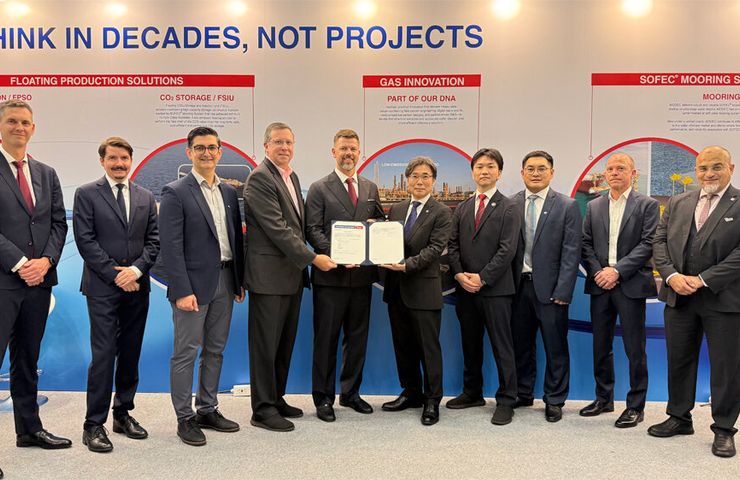
Earlier this month, Singapore-based Horizon Fuel Cell Technologies and US outfit ProtonH2 unveiled a strategic partnership aimed squarely at the AI data center market. Horizon is set to supply its tried-and-true proton exchange membrane (PEM) fuel cell technology, while ProtonH2 will breathe new life into stranded hydrocarbon assets—think idle wells and pipelines—transforming them into low-carbon hydrogen production hubs via steam methane reforming bolstered by carbon capture.
By tapping into each other’s strengths, these two players plan to power AI facilities—which can gulp down up to 100 MW apiece—with rock-solid, zero-emission electricity. It’s a neat workaround that sidesteps time-consuming grid upgrades and eases peak-load headaches.
Methods and Technical Details
Horizon’s PEM fuel cell technology operates by feeding hydrogen to the anode, where it splits into protons and electrons. The protons zip across an electrolyte membrane, while the electrons travel through an external circuit, generating current. At the cathode, protons, electrons and oxygen reunite to form water—no fuss, no other byproduct.
Meanwhile, ProtonH2 repurposes dormant hydrocarbon infrastructure for hydrogen production. At its core is steam methane reforming, but with integrated carbon capture and storage (CCS) units trapping CO₂ before it ever hits the atmosphere. Some folks call this “blue hydrogen,” but the real story here is slashing lifecycle emissions.
Strategic Implications
For data center operators, this partnership is more than a backup plan to erratic renewables—it’s a way to dodge grid congestion and lock in cleaner power. It also shows that sustainable energy initiatives are moving past proof-of-concept—Microsoft and Equinix ran pilot tests between 2023 and 2025, and now the real-deal commercial rollouts are kicking off.
On the policy front, tapping existing hydrocarbon sites means you can leverage current tax credits under the US Inflation Reduction Act, while greenfield green hydrogen projects often get bogged down in permitting. If you’re trying to decarbonize your AI stack ASAP, this hybrid route could be your fast track.
Industry Context
Believe it or not, hydrogen fuel cells date back to the 19th century with William Grove’s experiments, but it wasn’t until the 2000s that PEM systems really hit their stride. Fast-forward to today: AI data centers are on track to suck up about 8% of global electricity by 2030, so the hunt is on for reliable, high-density, zero-emission power.
Founded in 2003, Horizon Fuel Cell Technologies has made a name for itself in mobility and stationary power markets. ProtonH2 specializes in converting existing energy infrastructure into low-carbon hydrogen production sites. Together, they’re bridging the gap between cutting-edge innovation and the legacy grid, laying down the tracks for a new era of hydrogen infrastructure.
Closing Insight: This isn’t a one-off stunt. It signals a broader shift in tackling industrial decarbonization: marrying tried-and-true assets with next-gen fuel cell technology. Get these systems humming at scale, and we could see more AI operators turning to hydrogen as their go-to, zero-emission backbone for even the heaviest workloads.