Hydrogen Fuel Cells Get More Affordable with AFC Energy’s New LC30 Generator
January 22, 2026Ever wondered if clean power could finally duke it out with diesel on price? AFC Energy Plc is betting it has. This month, the UK’s go-to for hydrogen fuel cells unveiled its first-generation LC30 liquid-cooled fuel cell generator, and the early buzz is too loud to ignore.
Rethinking the Architecture
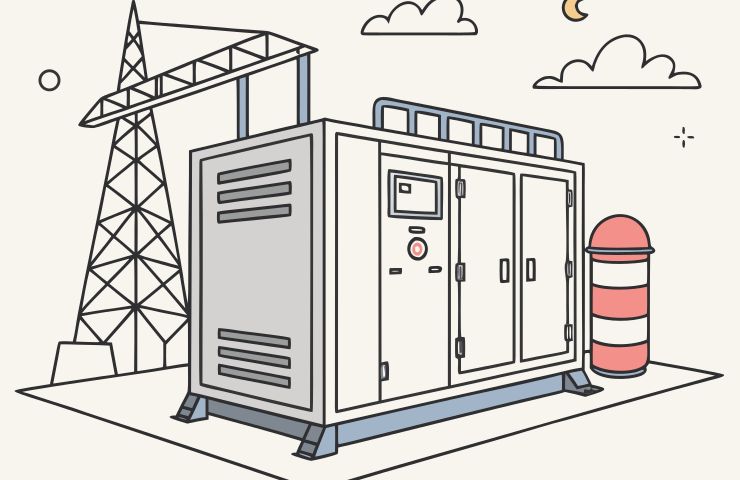
After a marathon ten-month redesign, CEO John Wilson is grinning from ear to ear: the prototype landed right on schedule and even came in under budget. By ditching air cooling for a slick liquid loop, the LC30 slashes manufacturing costs by roughly 85% compared to its old-school sibling—way past the original 66% goal. Oh, and did we mention efficiency jumps by up to 20%? That’s the magic of top-notch thermal management.
Sometimes, less really is more. This fresh take chops the parts count by about 95%, cuts weight by over 50% and shrinks volume by a cool 45%. All that in a chassis built to scale up to a 100 kW fuel cell, should you need extra oomph.
Built for Everywhere
Temperature tantrums used to plague early hydrogen systems. Not anymore. The LC30 laughs off extremes—from –20 °C right up to +50 °C—whereas its predecessor would throw a fit past –5 °C or beyond +40 °C. In plain English? You can stick it on a blustery Arctic rig or blast it across a desert outpost, and it won’t bat an eye.
From Lab to Yard
Prototypes are cool, but out-in-the-wild kits pay the bills. That’s why Volex plc is stepping in to crank out these units at scale from its Dunsfold Park facility in Surrey—think 250 rigs a year. On top of that, distribution and maintenance will ride shotgun with Speedy Hydrogen Solutions, the joint venture with Speedy Hire plc that’s already renting fuel cell packs across the UK.
Field trials are rolling, feeding live performance data straight back into R&D. Early word? The liquid-cooled setup is rock-solid, even when dust or downpour would hobble an air-cooled rival.
Beyond the Generator
This rollout dovetails perfectly with AFC’s plug-and-play ammonia cracker systems—modular units that churn out 0.5 to 4 tonnes of low-carbon hydrogen production per day on-site. Together, you get a mini ecosystem: clean ammonia on tap and power whenever you need it, sidestepping arm-twisting logistics.
For businesses gunning for industrial decarbonization, it’s a breath of fresh air. No more chasing massive electrolyser farms or laying miles of pipeline—production and consumption happen under one roof.
Of course, nothing’s perfect. Robust hydrogen supply chains are still sprouting in spots, and red tape for approvals can slow the march. Plus, rivals in fuel cell technology—from beefed-up battery packs to next-gen biofuels—aren’t twiddling their thumbs.
But if those LC30 stats stick through certification and commercial launch, we might be staring down a real tipping point. Suddenly, fuel cell technology looks less like a lab demo and more like a wallet-friendly, practical option for everything from off-grid power and data-center backups to maritime support.
“We set out to beat diesel on total cost of ownership without subsidies,” says John Wilson. “With the LC30, we didn’t just hit our targets—we smashed them.”
For an industry long bogged down by high capex and gnarly logistics, that’s a gutsy claim. But to anyone who’s watched hydrogen fuel cells edge toward real-world use over the last decade, this could be the moment sustainable energy finally steps into the spotlight.

 With over 15 years of reporting hydrogen news, we are your premier source for the latest updates and insights in hydrogen and renewable energy.