Hydrogen Fuel Cells in Off-Road Racing: Debut of FIA Extreme H World Cup in Saudi Arabia
At Qiddiya’s 2026 FIA Extreme H World Cup, hydrogen fuel cells powered off-road Pioneer 25 cars through time trials and wheel-to-wheel races—validating safety, performance and rapid refueling.
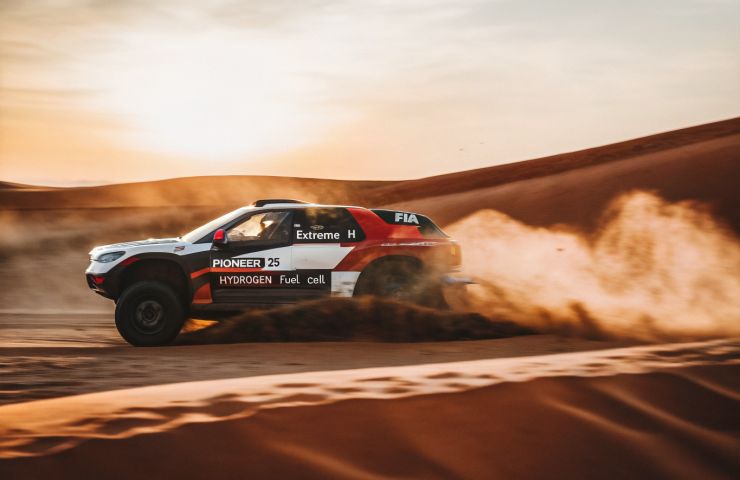
Picture a battleground of towering sand dunes outside Qiddiya City on 30 April 2026. Over six adrenaline-fueled days, the first-ever FIA Extreme H World Cup rolled onto the scene, announcing the arrival of hydrogen fuel cells on motorsport’s rawest terrain. Eight rugged Pioneer 25 buggies, powered solely by high-pressure hydrogen storage, hauled through dunes, jagged rocks and steep climbs. But this wasn’t just a race—it was a rolling lab, collecting precious data on durability, refueling drills and performance under scorching heat, all in service of the zero-emission dream driving the sustainable energy revolution.
Linking Motorsport to Saudi Vision 2030
This World Cup didn’t happen in a vacuum. It dropped right into Saudi Arabia’s Vision 2030 blueprint, designed to pump fresh life into the economy beyond oil. Set in a future mega-city project, the event married international racing rules from the FIA with the country’s push for clean tech and entertainment. And thanks to the newly minted 2025 guidelines for hydrogen storage, Qiddiya’s off-road track turned into a melting pot of government policy, global racing oversight and private R&D muscle.
Technical Showcase on the Track
When the green light blinked, each Pioneer 25 whirred to life. Onboard high-pressure tanks fed the fuel cell stack, where hydrogen production chemistry met oxygen to spin off electricity. Dual electric motors grabbed that juice, with a backup battery smoothing out power surges. The result? Only water vapor puffed out the exhaust—a win for local wildlife and fragile desert air. After logging over 3,000 km in testing, the rigs shrugged off 40 °C heat waves with nary a cell failure.
Fuel Cell System Architecture
Beneath the carbon-fiber bodywork, engineers tucked in safety valves, pressure regulators and liquid cooling loops to keep cell temps in check and sniff out leaks. Tanks made from impact-proof composites were rated to survive rollovers without dumping their cargo. Meanwhile, real-time diagnostics fed back live stats on voltage, current and each module’s health. Auto cutoffs and backup relief valves added a final layer of trust—crucial whether you’re tearing up a racetrack or tooling down the highway.
Race Format and Fan Experience
Fans got a full-throttle show: timed qualifiers, explosive drag sprints and wheel-to-wheel duels, ending in a nail-biting head-to-head final. Pit crews breezed through refuels in under five minutes—right up there with combustion-class stops and way ahead of slow-charge EVs. Spectators loved the quiet roar of electric drive, broken only by a hissing fill-up. Interactive kiosks walked everyone through green hydrogen infrastructure, from hydrogen production methods to safety checks, turning race day into a crash course on clean power.
Victory and Data-Driven Insights
Team STARD might’ve taken top honors, but the real winner was the treasure trove of telemetry shipped back to the FIA tech squad. Pressure swings, thermal maps and load cycles—every data point will shape the next wave of fuel cell stacks and storage solutions. And with zero hydrogen storage mishaps on record, the series made a clean safety statement: this tech is track-ready.
Building on Prototype Milestones
Extreme H’s arrival caps a string of hydrogen racing pilots—from Toyota’s GR LH2 burner at Le Mans in 2025 to Mission H24’s marathon-ready cells. The FIA’s 2025 green rulebook even locked in liquid hydrogen storage regs, paving the way for an official hydrogen racing class by 2028. It’s a stepwise push, a series of one-two punches moving prototypes into full-blown championships.
Strategic Partnerships and R&D
Behind the scenes, Extreme H boss Ali Russell rallied cell makers, electrolyzer outfits and safety watchdogs to iron out test scripts. Live-streamed workshops beamed findings to carmakers and station builders, fast-tracking design tweaks for vehicles and refueling hubs. This open-source vibe aims to knock down hurdles, speeding up green hydrogen’s entry into cars, trucks and even grid-scale storage.
Five Core Lessons Learned
- System robustness: stacks shrugged off impacts and soaring temps without a hitch.
- Rapid refueling: sub-five-minute hydrogen fill-ups matched combustion pits.
- Energy consistency: boats of steady power kept racers pushing through long stages.
- Data richness: deep telemetry unlocked insights for fast-turnaround R&D.
- Operational maturity: integrated safety and live diagnostics proved track-worthy.
Infrastructure Gaps and Solutions
Of course, a lone race can’t build a network. Real-world scale-up needs green hydrogen production via electrolysis, a swath of regional refueling spots and unified safety rules for high-pressure or liquid hydrogen storage. Public-private deals and tax breaks could juice investments in electrolyzers and logistics. The Qiddiya playbook—complete with standardized protocols—could grow into a blueprint for linking producers, distributors and end users worldwide.
Wide-Ranging Industry Impact
Extreme H’s buzz goes beyond dunes. Car brands fancying fuel cell sedans can mine these lessons, while heavy-haul truck makers eye modular stacks born on the track. Regulators drafting hydrogen infrastructure laws will pore over the perfect safety sheet. Even grid operators studying rapid chemical-to-electric conversion might lift key takeaways for power plants and backup systems.
Looking Ahead
Next up? Rounds in the world’s budding hydrogen production hubs—think Europe, Asia and South America—each tied to local green energy projects. By 2028, when the FIA unveils its hydrogen class in the World Endurance Championship, expect liquid-hydrogen beasts roaring round Le Mans and beyond. Qiddiya did one thing loud and clear: hydrogen fuel cells aren’t just lab-worthy, they’re ready to rip.