Hydrogen fuel cells integrated into Vieques microgrid for storm resilience
April 9, 2026Sometimes, you don’t need a wall of diesel generators to tough out a hurricane. That’s the whole idea behind a new microgrid sprouting up on Vieques, Puerto Rico. Researchers at Cornell University are leading the charge, pairing hydrogen fuel cells with a hefty battery system to keep the lights on when storms knock out the main grid. Published in April 2026, this initiative is a direct response to years of blackouts after events like Hurricane Maria in 2017, which left thousands stranded without power for weeks.
Vieques, a 51-square-mile island off Puerto Rico’s east coast, has a complicated past. From the 1940s through 2003, it was a U.S. Navy bombing range—a chapter that left contamination and health concerns for its roughly 8,000 residents. Add in its prime spot for tropical storms, and you’ve got an island all too familiar with power outages. When Maria hit, Vieques endured prolonged blackout conditions that crippled hospitals, schools, and small businesses. In the aftermath, local officials and resilience experts started looking at energy resilience through community-scale solutions. While FEMA-backed programs across Puerto Rico have promoted microgrids, remote spots like Vieques often hit snags in logistics and local know-how.
Project overview
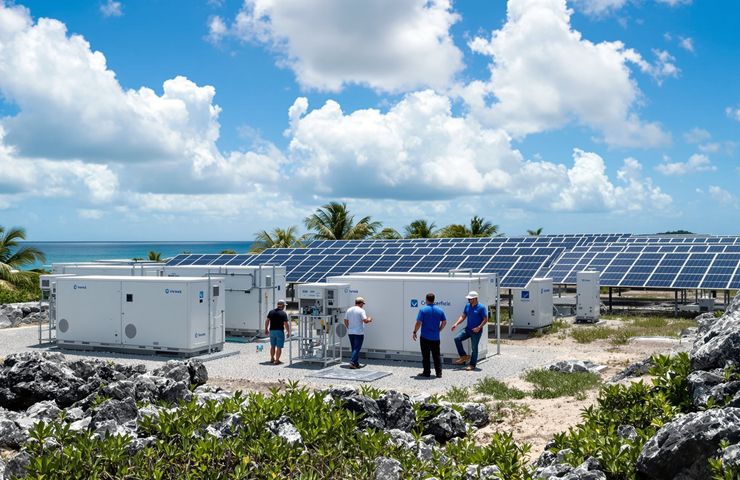
The microgrid project is still in the design phase and is helmed by Cornell professor Héctor D. Abruña. His expertise in electrochemical systems guides the hydrogen fuel cells design, which is hooked up to a larger-than-usual battery bank. Though exact specs are under wraps, the goal is clear: deliver on-demand power during extended grid outages. This setup can run alongside Puerto Rico’s main grid or switch to “island mode” when external lines fail. According to the Cornell Chronicle, that flexibility should slash reliance on diesel backups, cut emissions, and trim logistical headaches. Partners beyond the university haven’t been named, and there’s no firm completion date yet. The team has already wrapped up site surveys and resilience modeling to ensure the system can hold its ground against category 4 or 5 storms. Over in Abruña’s lab, researchers are fine-tuning efficiencies to make everything last longer.
Technical framework
At its core, the system leans on hydrogen fuel cells—devices that generate electricity by combining hydrogen and oxygen, with water and heat as the only byproducts. That electrochemical reaction delivers steady power as long as there’s hydrogen in the tank—no gradual discharge like you get with batteries. To smooth out demand spikes, the setup pairs these fuel cells with a beefy battery buffer that stores excess juice when the load is light. Smart controls juggle power between renewable generators, the fuel cells, and storage to optimize efficiency and reliability. The microgrid can even flip itself into island mode the moment it senses an outage on the main grid. While the project hasn’t nailed down the hydrogen source, clean electrolysis powered by solar or wind would fit right into its sustainable energy goals. This hybrid approach aims to deliver rock-solid performance with a light environmental footprint.
Strategic impact
This isn’t just a fancy backup generator—it’s a blueprint for energy resilience and independence on remote or storm-battered islands. By swapping out imported diesel for a mix of hydrogen and battery storage, communities can shave fuel costs and dodge logistical nightmares. Vieques could see fewer blackout-related health risks and bounce back faster after storms. On a bigger scale, this pilot can guide other municipalities in Puerto Rico as they ramp up post-Maria resilience projects backed by federal and local agencies. If it proves reliable, the model could scale to the main island or other territories wrestling with climate-driven weather extremes. Stakeholders are watching to see if hydrogen fuel cells can deliver low-emission, on-demand energy in the real world. The results here could steer funding and planning for future sustainable energy projects in island communities worldwide.
Challenges and next steps
Of course, no project is without its hurdles. Building out hydrogen infrastructure—think safe storage and delivery networks—can be pricey and tricky at a small scale. The project’s funding sources and timeline are under wraps, so it’s hard to say when full deployment will roll out. Making sure the hydrogen comes from green electrolysis is vital for keeping emissions low, but the power source for that process isn’t finalized. Plus, local teams need training so island staff can handle day-to-day operations and maintenance. Partnerships with local authorities and private players could help, but details are still emerging. And let’s not forget the regulatory side—approvals in Puerto Rico can drag on, so securing permits is a must before moving from blueprints to breakers.
Community engagement and capacity building
Getting Vieques residents on board is a big piece of the puzzle. Cornell researchers plan to work side by side with local leaders, developing hands-on training and maintenance protocols so island personnel take charge of daily operations. Building local expertise means the system stays reliable when it’s needed most. While specifics on workshops and formal partnerships haven’t been laid out, early stakeholder involvement hints at a strong focus on capacity building. This approach should help ease concerns about new tech and foster a real sense of ownership among residents—key for lasting energy resilience.
Looking ahead
We’ll be watching closely as the Vieques microgrid shifts from drawing board to reality. If it nails this pilot, it could cement hydrogen fuel cells as a go-to tool for hurricane-prone regions. Upcoming updates should spill the beans on system capacity, funding structure, and hydrogen sourcing strategies. Meanwhile, policymakers and planners in Puerto Rico and beyond are sure to take notes, sizing up whether mixed hydrogen-battery microgrids can deliver on zero-emission, on-demand power. In the months ahead, look out for pilot operations and performance data that reveal whether this model can scale. We’ll also keep an eye on Abruña’s lab findings—any efficiency boosts there could slash costs and speed adoption. For communities chasing a truly sustainable energy path, the lessons from Vieques might just light the way forward.

 With over 15 years of reporting hydrogen news, we are your premier source for the latest updates and insights in hydrogen and renewable energy.