Hydrogen Fuel Cells Mobility Pilot Enters Phase 2 at Princess Nourah University
February 13, 2026Saudi Arabia Drives Hydrogen Mobility Forward
Earlier this month, three heavy hitters—Abdul Latif Jameel Motors, Toyota Motor Corporation, and Toyota Tsusho Corporation—wrapped up Phase 2 of their hydrogen mobility pilot at Princess Nourah bint Abdulrahman University in Riyadh. What began as a small feasibility study under an MoU with the Ministry of Energy has quickly become a showcase of fuel cell vehicles, material-handling gear, and stationary power systems. It’s all part of Saudi Vision 2030’s plan to cut carbon and champion sustainable energy innovation.
Setting the Stage for a Hydrogen Economy
Saudi Arabia’s sun-drenched landscapes and coastal winds aren’t just scenery—they’re prime real estate for pumping out cheap green hydrogen. By pairing electrolyzers with solar and wind, the kingdom is laying the groundwork for a rock-solid hydrogen infrastructure that can serve both homegrown applications and export markets. This pilot at Princess Nourah is a mini living lab, testing how hydrogen fuel cells perform in campus shuttles, industrial forklifts, and on-the-spot power backups.
Phase 2 Mobilizes a Diverse Hydrogen Fleet
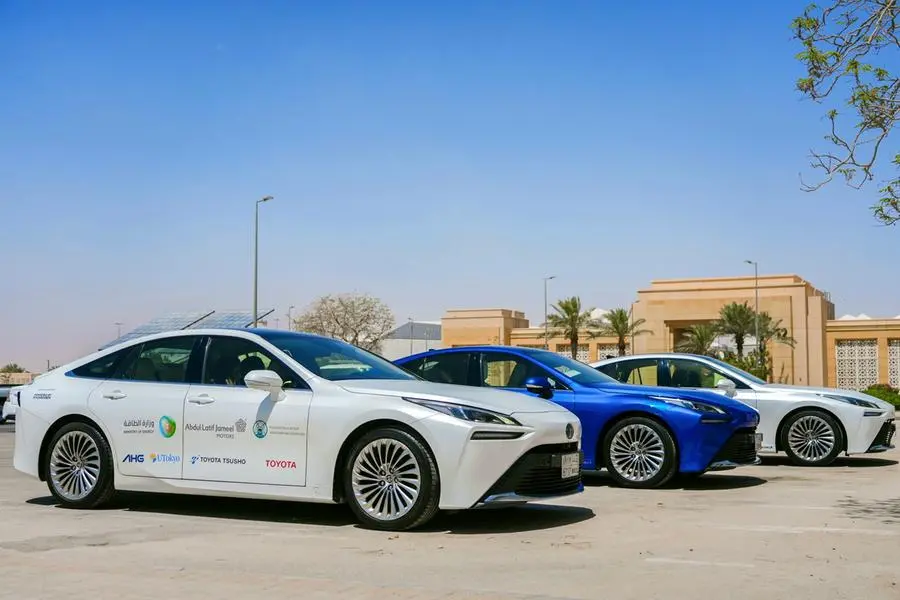
Phase 2 gave hydrogen mobility a real workout: they rolled out the big guns—a Caetano H2.City Gold bus, a Toyota Hydrogen Fuel Cell Forklift, and a GEH2 Stationary Hydrogen Generator. Extra Toyota Mirai FCEVs also hit campus roads as shuttles and demo rides. Running these vehicles under real-world conditions produced invaluable data on refill times, range, system toughness, and user reactions to steer future deployments of hydrogen fuel cells.
Learning from Earlier Pilots
Saudi’s been trialing hydrogen mobility across the kingdom: from Jeddah taxis in Mirai sedans to Caetano buses winding through Makkah, plus KAUST labs fine-tuning fuel cells for desert heat. Each experiment spilled the tea on everything from refueling logistics and supply-chain puzzles to how these systems handle local temperatures. By pooling those insights on one campus, partners can fast-track the playbook for commercial-ready hydrogen solutions.
Educational Outreach and Gender Inclusion
Princess Nourah bint Abdulrahman University is the world’s largest women’s university, brimming with science and engineering students. The interactive Mirai exhibit, live forklift demos, and guided campus tours have given attendees a front-row look at hydrogen fuel cells in action. It’s not just about hardware—it’s about lighting a spark, boosting STEM engagement, and nurturing the next generation of women poised to drive the hydrogen mobility revolution.
Strategic Alignment with Vision 2030
Mazin Ghazi Jameel, MD of Toyota Marketing Operations at Abdul Latif Jameel Motors, says Phase 2 slots perfectly into Vision 2030’s clean-energy roadmap. Nobuyuki Takemura, Toyota Motor Corp.’s Middle East rep, stresses that real-world tests are key for tuning fuel cell stacks to Saudi’s unique climate. Saud Alsultan of Toyota Tsusho Saudi Arabia highlights that showcasing the full chain—from hydrogen infrastructure to end-use vehicles—boosts confidence among fleet operators and regulators, lighting the path for full-scale industrial decarbonization.
Technical Snapshot
Here’s a quick rundown of the hardware powering the pilot:
- Toyota Mirai FCEV: Onboard electrochemical cells mix hydrogen and oxygen to generate electricity, with water as the only byproduct.
- Caetano H2.City Gold Bus: A beefy fuel cell stack that keeps public transport routes on schedule.
- Toyota Hydrogen Fuel Cell Forklift: Delivers consistent torque and rapid refueling to keep logistics hubs humming.
- GEH2 Stationary Hydrogen Generator: A reliable backup (or primary) power source, running on hydrogen made onsite or delivered.
Economic and Market Implications
By putting multiple use cases under one roof, this pilot derisks hydrogen mobility for private and public fleets alike. Abdul Latif Jameel Motors cements its reputation as a clean-transport innovator, Toyota Motor Corporation validates its multi-pathway carbon neutrality strategy, and Toyota Tsusho Corporation leverages its global trading network to smooth out hydrogen supply and refueling. Together, they’re laying the commercial groundwork to attract investors, kickstart local manufacturing, and supercharge industrial decarbonization.
Building a Campus-Scale Hydrogen Ecosystem
Riyadh’s low electricity costs—driven by solar and natural gas—translate to competitive green hydrogen prices. The university pilot stitches together production, storage, dispensing, and fleet operations into a seamless package. As teams crunch data on station usage, operating costs, and maintenance cycles, policymakers gain the insights they need to roll out robust hydrogen infrastructure in industrial parks, logistics hubs, and urban corridors.
Global Context and Collaborations
The Princess Nourah demo is just one chapter in a global story. Toyota’s Mirai has racked up miles across Japan, California, and Europe, backed by growing refueling networks. Toyota Tsusho brings its know-how from hydrogen stations and renewable projects worldwide. Local partnerships with KAUST and other Saudi institutes ensure stacks are built to withstand desert heat and humidity, boosting durability and performance.
Toward Net-Zero and Future Outlook
Saudi Arabia is targeting net-zero emissions by 2060, and these hydrogen mobility pilots are offering a front-row seat to scalability and cost metrics. Sure, hurdles remain—initial infrastructure expenses, long-haul distribution, workforce training—but these trials are closing knowledge gaps and building confidence. If everything lines up, Saudi could emerge as a leading hydrogen exporter, fueling global decarbonization and pioneering new sustainable energy markets.
Looking Ahead
With Phase 2 in the books, the team will sift through performance metrics and user feedback to fine-tune system designs and commercial strategies. Next steps likely include scaling up fleets, boosting station capacity, and exploring creative public-private funding models. If the momentum holds, hydrogen fuel cell vehicles and equipment could soon become a common sight on Saudi roads and industrial sites.
The Phase 2 pilot at Princess Nourah bint Abdulrahman University marks a turning point in the kingdom’s sustainable transport journey. By blending hands-on tech demos, educational outreach, and strategic partnerships, the project creates a live testbed for mastering hydrogen fuel cells and plotting a replicable hydrogen infrastructure rollout. As Saudi scales up production and distribution, these insights will be vital for turning pilots into mainstream pillars of industrial decarbonization, sustainable energy, and clean energy exports.

 With over 15 years of reporting hydrogen news, we are your premier source for the latest updates and insights in hydrogen and renewable energy.