
Hydrogen Fuel Cells Power First On-Site Excavator PoC in Japan’s Construction Sector
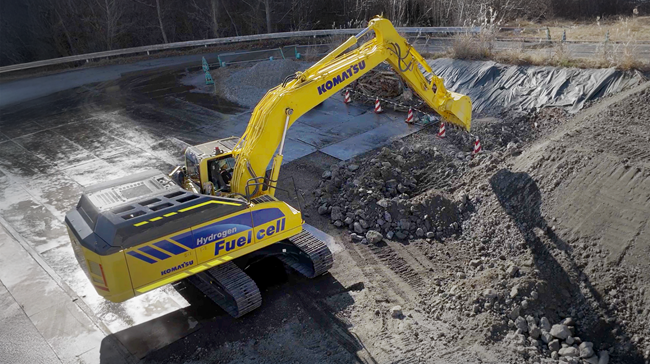
February 17, 2026Picture this: an excavator scoots dirt around without a puff of black smoke—just a tiny wisp of water vapor trailing behind. That’s exactly what Obayashi Corporation, Iwatani Corporation and Komatsu Ltd. pulled off this month in Japan’s first on-site proof-of-concept (PoC) of a medium-sized hydraulic excavator powered by a hydrogen fuel cell system. It matched diesel performance but dialed noise, vibration and CO₂ emissions right down to zero.
By strapping the prototype excavator—brought to life since mid-2023 by Komatsu with Toyota’s fuel cell stack and high-pressure hydrogen tanks—onto a busy city job site, the team wanted to see if theory met reality. Spoiler alert: it did. The machine shifted soil, carved trenches at up to 5.5 km/h and topped off its tanks in minutes, thanks to Iwatani’s on-site refueling setup.
PoC Overview
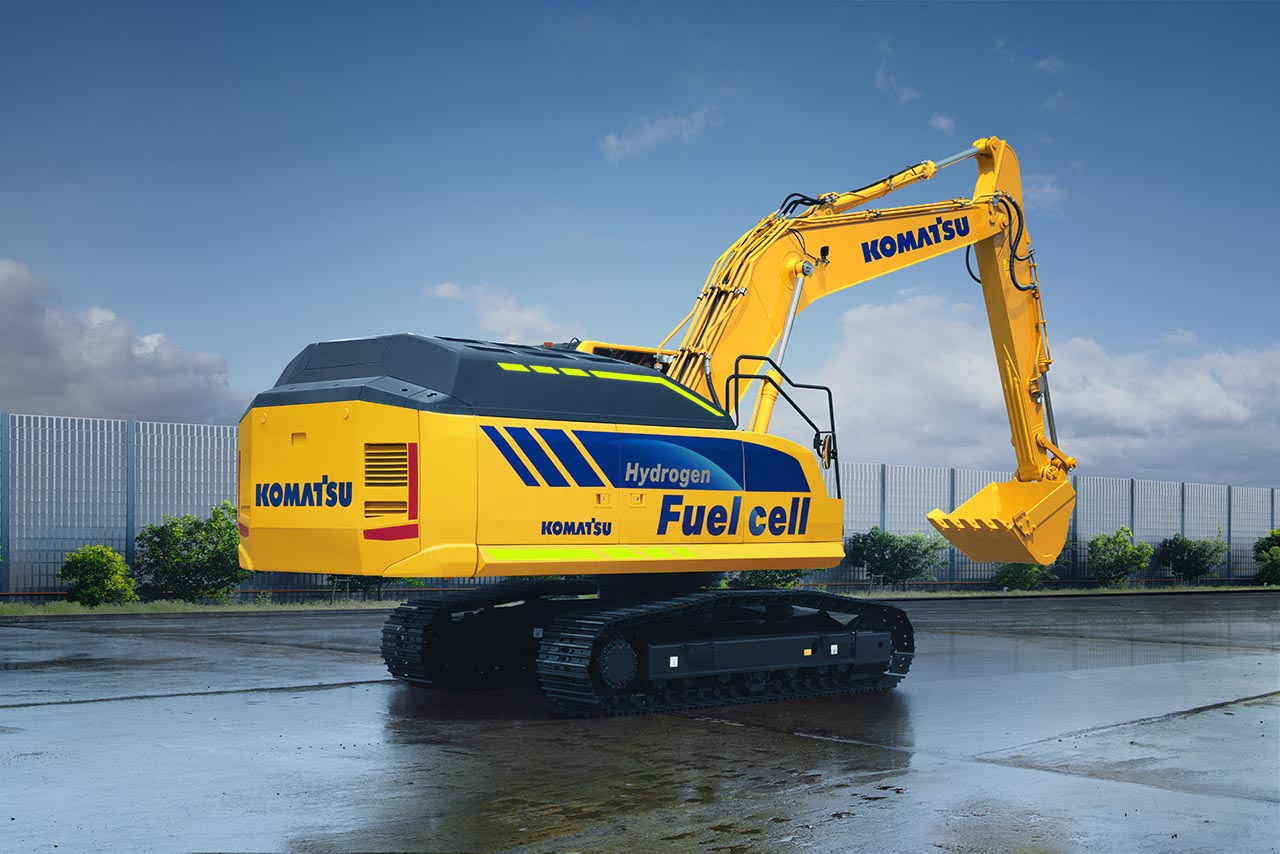
Here’s the lowdown: Obayashi Corporation picked the site, hammered out safety protocols and ran the day-to-day ops. Iwatani Corporation supplied the hydrogen, installed a differential-pressure refueling unit and schooled everyone on handling it safely. Komatsu Ltd. delivered the concept excavator, featuring Toyota’s fuel cell tech (think Mirai car) and an electric drivetrain to drive the hydraulic pumps for digging, slewing and driving around.
After several digging runs, operators said the fuel cell excavator kept pace with a diesel counterpart. Inside and out, it was noticeably quieter and smoother—big wins for reducing operator fatigue on long shifts. Best part? All it exhaled was water vapor, ticking the box for Komatsu’s goal of cutting CO₂ by 50% by 2030 (vs. 2010) and hitting carbon neutrality by 2050.
In the coming weeks, Obayashi will refine criteria for the refueling station layout and roll out updated hydrogen safety training for crews and subcontractors. Meanwhile, Iwatani plans to pilot mobile liquefied hydrogen stations—a Tokyo Metropolitan Government–backed initiative—to keep fuel flowing at remote sites.
Technical Dive: Hydrogen Fuel Cell System
At the heart of the concept excavator is a hydrogen fuel cell system from Toyota. High-pressure hydrogen onboard reacts with oxygen in the fuel cell stack to generate electricity—no combustion involved. That power feeds an inverter and electric motors, which then drive the hydraulic pumps for digging and travel functions.
Compared to battery-only machines, this hydrogen approach packs more energy into a smaller footprint and refuels in about the same time it takes to top off diesel. Operators can log a full day’s work without swapping out heavy battery packs or waiting hours to recharge. The system also uses regen braking and load-follow controls to sip hydrogen efficiently under varying workloads.
Strategic Implications for Industrial Decarbonization
Construction is one of the toughest sectors to decarbonize—high power demands and brutal duty cycles don’t help. By proving that a zero-emission technology can hold its own against diesel, this PoC could be a watershed moment. At the end of the day, contractors need machines that deliver performance, uptime and fast refueling—and hydrogen looks ready to deliver.
Komatsu isn’t starting from scratch: it already offers 16 certified low-carbon hybrids and seven GX-certified electric units. The fuel cell excavator simply broadens its portfolio. Partnerships with global giants like GM on hydrogen dump trucks underscore Komatsu’s push to commercialize hydrogen-powered heavy equipment.
Building Hydrogen Infrastructure
No hydrogen fleet makes it far without solid hydrogen infrastructure. That’s where Iwatani Corporation shines, serving as both hydrogen supplier and infrastructure pioneer. Its mobile liquefied hydrogen stations could bridge gaps where fixed facilities aren’t practical. Insights from this PoC will shape standards for station siting, pressure control, leak detection and emergency response—boosting safety in the field.
Simultaneously, Obayashi is training crews on hydrogen safety protocols and routine checks—vital steps when you’re introducing compressed-gas fuel into daily operations. Over time, these best practices could become industry benchmarks, smoothing the path for other contractors to embrace hydrogen machines.
Looking Ahead
This first on-site test is just the beginning. Komatsu plans to refine and commercialize medium- and large-scale hydrogen excavators, while Iwatani scales up its refueling solutions and Obayashi codifies safety and site integration processes. If all goes according to plan, hydrogen could leapfrog batteries in demanding applications—ushering in a new era of industrial decarbonization and cleaner construction sites around the globe.
With sustainable energy solutions now non-negotiable, this PoC sends a clear message: hydrogen fuel cells have stepped up to the plate. As these pilots evolve into commercial machines, the construction industry may well lead a broader shift toward zero-emission technology and a truly sustainable energy future.


 With over 15 years of reporting hydrogen news, we are your premier source for the latest updates and insights in hydrogen and renewable energy.