Hydrogen Fuel Cells Power New Pilot Harbor Craft in Singapore
ABS, Marinteknik, SeaTech and VINSSEN are testing a hydrogen fuel cell harbor craft in Singapore’s busy port to cut emissions and advance clean propulsion.
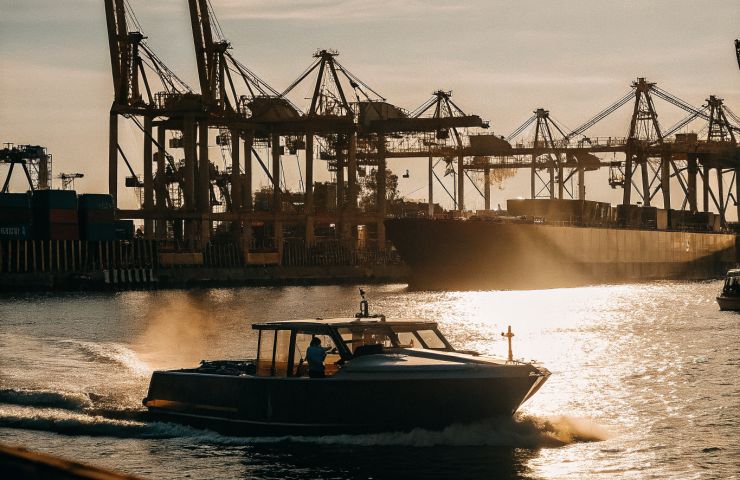
What if the tugs and workboats threading through Singapore Harbour could glide along without belching out a single puff of smoke? That’s exactly the idea behind a new pilot project uniting ABS, Marinteknik Shipbuild, SeaTech Shipyard and VINSSEN. They’re swapping diesel engines for hydrogen fuel cells on short-haul vessels, aiming to slash emissions in one of the globe’s busiest ports.
Harbor Operations Meet Hydrogen Cells
This month, the team rolled up its sleeves to build a prototype tugboat that runs on zero-emission propulsion. Under the pilot, ABS handles classification and offers technical advice, Marinteknik and SeaTech manage the shipyard build, and VINSSEN delivers marine-grade fuel cell stacks. Together, they’ll see how the system handles power output, safety checks, and everyday port chores.
Why Now for Singapore’s Port
Singapore’s port moves over 37 million TEUs each year and anchors a maritime market worth about US $20 billion. Yet harbor craft alone pump out roughly 10 % of the on-water greenhouse gas emissions. With the city-state aiming for net zero by 2050 and the IMO tightening rules after 2025, the timing couldn’t be better for zero-emission technology.
How Hydrogen Fuel Cells Work
At their heart, fuel cells mash up hydrogen and oxygen to produce electricity, heat—and just water. Hydrogen splits into protons and electrons at the anode, the electrons zip through an external circuit to power your motors, and at the cathode, protons reunite with oxygen, yielding only water vapor.[1][2] Compared to traditional marine engines, fuel cells can nearly double efficiency—hitting close to 60 %—while emitting zero carbon at the point of use.
A Tech Marriage: Shipyards and Fuel Cell Expertise
Marinteknik has been crafting harbor vessels since 1982, while SeaTech has a reputation for eco-conscious builds. VINSSEN, a Doosan spinoff, has zeroed in on maritime fuel cell systems since 2018. And ABS, founded in 1862, makes sure the design ticks all the boxes for hydrogen storage and safety under international regs.
Lessons from History and Abroad
Hydrogen cells trace back to 19th-century labs and even powered NASA missions in the ’60s, but it’s only in recent years that they’ve made waves at sea. Europe has had hydrogen ferries plying its waters since 2021, especially in Norway. Now, this Singapore pilot will put them to the test in busy, tropical harbor conditions.
Ripple Effects Beyond Emissions
Beyond cleaning up local air quality, a successful trial could kickstart a broader hydrogen infrastructure: from electrolyzers and bunkering stations to supply chains, bolstering Singapore’s push for green hydrogen and energy security. It also promises new jobs in fuel cell upkeep, vessel retrofits, and hydrogen logistics—cementing the city-state’s role as a hub of maritime innovation.
Mitigating Safety and Economic Risks
Handling hydrogen isn’t without its challenges—think material compatibility, tank design, and leak detection. That’s where ABS’s classification framework comes in, covering every safety angle. On the cost side, the initial price tag is steeper than diesel, but as electrolytic hydrogen and fuel cell manufacturing scale up, prices are sliding down.
What’s Next?
Over the coming months, the team will track performance—fuel use, uptime, maintenance needs—and tweak operations as they go. If the results hit the mark, they plan to retrofit more harbor vessels and share their findings with ports across the region.
This pilot isn’t just a local gig—it’s a potential blueprint for spreading hydrogen propulsion across Asia’s crowded waterways. As the pressure to decarbonize shipping ramps up, these harbor tugs might just become the testbeds for wide-scale industrial decarbonization in marine transport.
Picture a future where every tug, launch, and service boat in your fleet leaves nothing behind but a trail of water vapor. That day is coming—one fuel cell at a time.