Hydrogen Fuel Cells Power Oracle’s New Mexico AI Data Center Microgrid
Oracle and Bloom Energy will install up to 2.45 GW of solid oxide fuel cells in a microgrid at a New Mexico data center campus, targeting 99.999% uptime and cutting carbon emissions by up to 70%.

As AI ramps up, finding dependable, carbon-conscious power has never been more critical. On April 27, 2026, Oracle Corporation announced it’ll team up with Bloom Energy to roll out up to 2.45 gigawatts of solid oxide fuel cells in a microgrid powering its newest data center campus in New Mexico. By generating electricity on-site, Oracle plans to dodge transmission bottlenecks, renewable intermittency and local grid hiccups—so its AI servers stay humming 24/7 without breaking a sweat.
Project in Focus
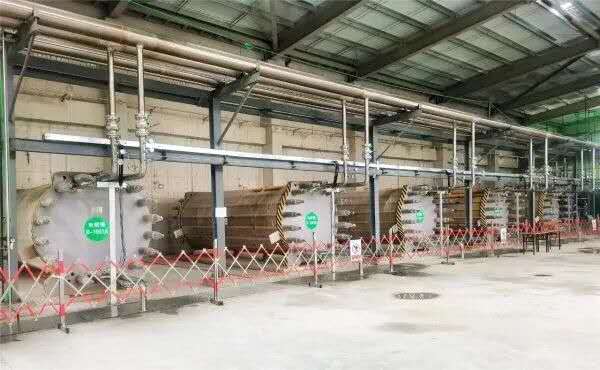
Under the deal, Bloom Energy will install multiple arrays of its signature Bloom Energy Server stacks, combining to hit that 2.45 GW target. All these units tie into one slick microgrid, complete with smart energy management controls to fine-tune output, balance supply and meet Oracle’s “five nines” (99.999%) uptime promise. Keeping LLM training and inference running non-stop means zero room for power blips.
The microgrid can run side by side with the state’s utility grid or go fully off-grid during outages. That flexibility not only boosts resilience but also opens doors to extra income through grid services like frequency regulation and demand response—if Oracle decides to cash in.
Why Fuel Cells?
Fuel cell technology has come a long way, emerging as a frontrunner for heavy-duty, around-the-clock power. Solid oxide fuel cells use ceramic electrolytes to drive super-efficient electrochemical reactions, turning fuels—from natural gas to green hydrogen—directly into electricity with minimal moving parts. Without combustion, you get far fewer NOₓ and particulates than you’d see from gas turbines or diesel generators.
- High electrical efficiency (over 60% in combined heat and power setups)
- Modular design makes it easy to scale capacity just right
- Quiet operation with low-maintenance architecture
- Easier carbon capture when blending in hydrogen
Thanks to these perks, hydrogen fuel cells can pull double duty—as a reliable baseload generator and a nimble peaker that smooths out solar and wind fluctuations across the campus.
Choosing New Mexico
When scouting its next high-performance computing site, Oracle wanted low land costs, juicy tax breaks and rock-solid power. New Mexico hit all the marks: its Data Center Tax Incentives program slashes sales and property taxes for qualifying facilities, and local electricity rates sit below the national average. Plus, the state’s sun-soaked landscape is perfect for solar add-ons, backed by regulations that have attracted hyperscale players since 2023.
With over 2.1 million residents, New Mexico also boasts a deep talent pool nurtured by Los Alamos and Sandia national labs and nearby universities. Oracle’s campus will sit close to major transmission corridors, making it easy to tap into the grid without falling prey to congestion.
Background and Context
Data center power demand has exploded in the 2020s as AI workloads multiply. Most grids, built decades ago, struggle to keep pace without costly upgrades. Many operators lean on diesel backups or gas-fired peakers, which bring noise, pollution and the headache of fuel storage and upkeep.
Bloom Energy traces its roots back to NASA’s 1960s fuel cell research and launched its SOFC line around 2010. Since then, it’s powered data centers, hospitals and corporate campuses, fine-tuning its manufacturing and deployment to slash costs. For Oracle, this marks one of the biggest single-site SOFC rollouts to date.
Economic and Environmental Impacts
Bloom Energy estimates this microgrid could cut carbon emissions by 50–70% compared to gas-fired peakers running on natural gas. If renewable hydrogen becomes cost-effective at scale, that figure climbs even higher. On the flip side, some analysts warn that sticking with pipeline gas—even in efficient fuel cells—still keeps fossil fuel supply chains alive.
On the economic front, the build-out will create over 500 construction jobs and pump fresh tax dollars into local coffers. Once up and running, the site will bring in a team of engineers and technicians to keep the fuel cell arrays humming. But this doesn’t come cheap: industry figures peg SOFC capex around $10,000 per kilowatt, so Oracle’s investment likely runs into the high hundreds of millions.
Oracle can offset a chunk of that spend by selling grid services—offering ancillary support when its microgrid syncs up with the main grid. This play, already proven in smaller setups, shows how big sustainable energy projects can start paying for themselves over time.
What This Means for the Industry
Oracle’s bet on a fuel cell–powered microgrid signals a shift toward distributed generation and industrial decarbonization. Hyperscale providers chasing steady, low-emission power will blend fuel cells, battery storage and renewables into hybrid systems that adapt to market signals, grid events and environmental goals.
Bloom Energy’s deal also nudges hydrogen infrastructure forward. Even if these systems lean on natural gas today, they’re designed to handle higher hydrogen blends later on. That path aligns with national pushes to scale electrolyzers and expand hydrogen networks, building out a truly integrated zero-emission ecosystem.
Looking Ahead
By teaming up with Bloom Energy, Oracle is basically betting on the future of clean power. The microgrid may start on fossil feedstocks, but it’s set up for a steady shift to green hydrogen. If all goes to plan, this New Mexico campus could become the blueprint for other cloud giants wrestling with ballooning power needs.
For the hydrogen and fuel cell technology community, this project is a milestone. It showcases the commercial readiness of large-scale SOFC installations and gives engineers a real-world lab to refine operations, maintenance and system integration. Watching this rollout, one thing’s clear: data center power is going to be as much about on-site generation as it is about server efficiency—and in New Mexico, those trends are finally coming together.