Hydrogen Fuel Cells Power Road Transport in France’s Grand Est
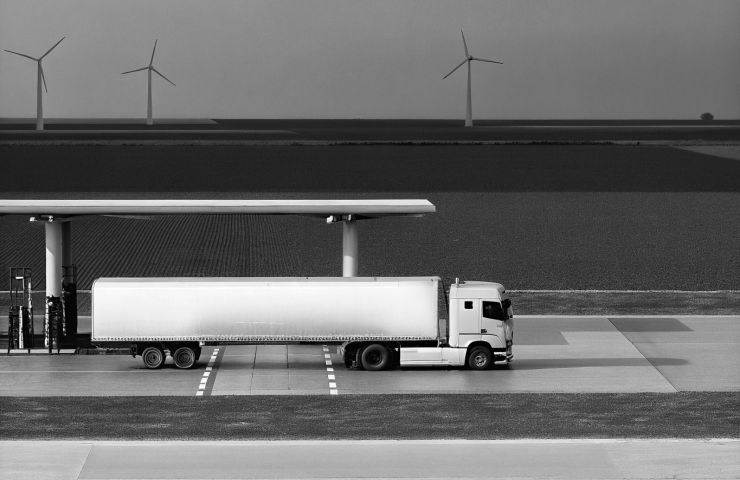
April 9, 2026Pop onto the A4 motorway near Reims—you know, that key freight artery in Grand Est that hooks Paris up with Strasbourg and on to Germany—and you’ll see a new breed of heavy-duty transport rigs swapping diesel for hydrogen fuel cells. They glide into a station, fill up in minutes, then roll out for another long haul without spewing a single gram of CO₂.
The Strategic Heart of Grand Est
Launched in 2016 by blending Champagne-Ardenne, Alsace, and Lorraine into one region, Grand Est boasts around 5.54 million folks powering everything from Champagne vineyards to steel foundries. Sitting snug on France’s eastern flank, it’s peppered with major transport routes like the A4 and logistics hubs near Reims, Metz, and Strasbourg—shifting millions of tonnes of cargo every year. Knowing it’s a freight hotspot, local authorities have already stashed public funds to plant green hydrogen refueling points across key logistics parks, stitching eco-friendly energy options into the old network.
A Game-Changer for Heavy-Duty Transport
Let’s face it: battery-powered haul trucks hit walls with payload limits, long charging stops, and range anxiety. That’s where hydrogen fuel cells shine in the world of heavy-duty transport. Local fleet managers brag that some of these machines can cruise as far as 800 km on a single fill—prime for cross-border runs without marathon stops at the charger. Sure, that top-tier figure’s still going through the verification wringer, but it drives home just how much juice these systems pack.
It’s wild to think long-haul freight eats up around 7–9 % of global CO₂ emissions—industries like steel, cement, and logistics in the firing line. Swapping diesel for zero-emission trucks is a direct shot at the climate crisis and a key plank of EU decarbonization plans. Plus, filling up takes just minutes—no more waiting around for hours—so deliveries stay on schedule.
Green Hydrogen and Infrastructure
Of course, zero-emission trucks need truly clean fuel. In Grand Est, they’re making green hydrogen through electrolysis powered by wind turbines and solar farms scattered across the region. Private players and local utilities are teaming up to build electrolyzer clusters that feed a steady stream of clean hydrogen to the stations.
Right now, only a handful of fast-fill stations dot the A4 corridor, but plans are rolling out to litter the region with fueling stops—think highway junctions, freight yards, and even port back-ends. Thanks to this public-private tag team, dozens more hubs will sprout up over the next few years.
Partnerships Driving Innovation
What’s fueling the hydrogen boom in Grand Est? Collaboration—plain and simple. Regional agencies, energy giants, industrial gas specialists, and logistics operators all have skin in the game. Research centers lend their labs for testing, while truck OEMs provide demo units fitted with fuel cell powerplants. By meshing policy muscle, technical know-how, and real-world shipping savvy, they’re fast-tracking the leap from small-scale pilots to full-on commercial fleets.
Money-wise, they’re weaving together regional budgets, national grants, and EU recovery cash, creating a financial safety net that de-risks infrastructure build-outs and fleet rollouts.
Historical Roots of a Modern Shift
Don’t let the buzz fool you—hydrogen’s not exactly brand-new. It’s been a staple in refineries and chemical plants for decades. But since the early 2010s, European R&D projects have sharpened fuel cell stacks and beefed up storage tanks, driving down costs and ramping up durability. The fuel cell trucks cruising the A4 today? They’re the result of that slow-and-steady innovation—marrying proven electrochemistry with tough-as-nails truck frames.
Environmental and Economic Impacts
The upside is hard to ignore. Each truck powered by hydrogen fuel cells on the A4 slices hundreds of kilos of CO₂ for every 100 km compared to its diesel twin. Over a typical service life, that avoidance can add up to tens of thousands of tonnes. On top of that, hydrogen stations can hook modular electrolyzers directly to on-site renewables, easing the strain on the grid and cutting back on fossil fuels.
Remember the old stigma around hydrogen safety—blame the zeppelins. Modern setups use high-tech sensors and automatic valves to keep tabs on pressure and sniff out leaks in real time. Refueling’s as routine as topping off a diesel tank. Plus, this budding hydrogen economy is spawning jobs from electrolyzer maintenance to fuel cell stack assembly—offsetting roles tied to the old diesel supply chain.
Overcoming Challenges
No major switch is without its headaches. Right now, green hydrogen can carry a higher price tag per kilo than traditional fuels, and building out the refueling network means juggling regulators, grid operators, and private capital. But folks in Grand Est aren’t shying away—they’re tackling these hurdles head-on. Joint working groups are hammering out uniform station blueprints and safety protocols, while early-stage funding sweetens the pot to tame project risk.
Meanwhile, grid operators are flexing, offering smart charging deals that sync electrolyzer operation with wind and solar peaks. Training programs at local trade schools are cropping up, too, so you’ll find technicians and drivers who know their way around a hydrogen pump.
Cross-Sector Potential
What makes hydrogen such a powerhouse is its versatility. Sure, the spotlight’s on the trucks, but that same network of electrolyzers and pipelines can fuel regional rail, buses, or even industrial furnaces. Spreading the cost across multiple sectors maximizes the use of green hydrogen. In Grand Est, plans are afoot to push supply to Strasbourg’s bus lines and to heat chemical plant boilers in Alsace’s Rhine corridor.
By tying transport, industry, and power generation together, hydrogen turns into a shared resource—supercharging environmental benefits and fortifying the region’s energy resilience.
Regional and Global Momentum
Grand Est’s hydrogen movement is just one part of a bigger European puzzle. From Northern Spain to Scandinavia, regions are welding similar alliances to build hydrogen valleys. All these efforts send a clear message: hydrogen isn’t a lab curiosity—it’s a real-deal solution for decarbonizing heavy-duty transport.
France has already set national targets for hydrogen in transport, and Grand Est is key to hitting those marks. As more areas plug into the blueprint, we’ll see a web of linked corridors stretching from Atlantic ports right across to Eastern Europe.
A Glimpse into the Future
Everything points toward momentum accelerating. The pilot fleets roaming the A4 and the growing station network are part of a grand European play to stitch together clean-fuel corridors. Before long, fuel cell trucks will glide border-to-border, each pit stop refilling with hydrogen born from renewables.
This regional experiment is more than a test run—it’s a live blueprint for global decarbonization. By nailing range, reliability, and rapid fill-ups, hydrogen fuel cells are steering Grand Est toward truly zero-emission trucks. And as electrolyzer output ramps up and renewable generation scales, hydrogen will only get cleaner and more cost-effective.
So next time you’re cruising the A4 near Reims, keep an eye out for those gleaming tankers—they’re not just trucks; they’re a frontline sneak peek at sustainable logistics, hauling goods while giving CO₂ the cold shoulder.

 With over 15 years of reporting hydrogen news, we are your premier source for the latest updates and insights in hydrogen and renewable energy.