
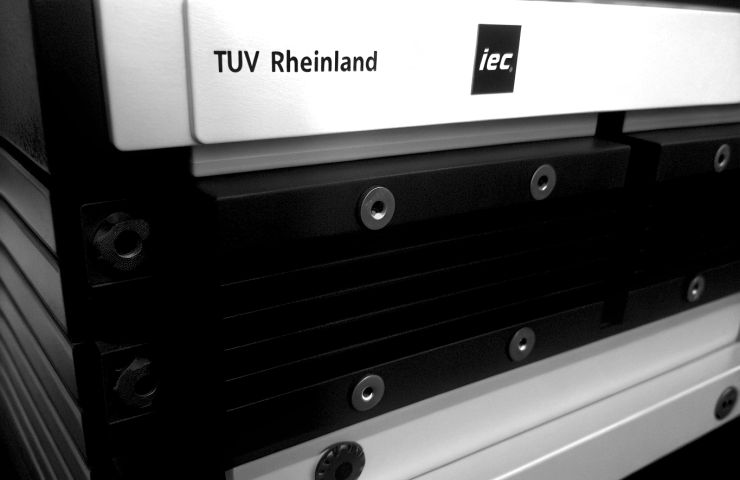
Hydrogen Fuel Cells: Siltrax Stack Secures TÜV Rheinland Certification
January 25, 2026Here’s some exciting news in the hydrogen fuel cells arena: Siltrax (Zhejiang) Co., Ltd just snagged Certificate R 50711017 from TÜV Rheinland, officially proving it meets the IEC 62282-2-100 safety and performance standard for fuel cell stacks. This thumbs-up, now live in TÜV’s Certipedia database, covers Siltrax’s trailblazing silicon-based hydrogen fuel cell stack, which cranks out anywhere between 1 and 10 kW of power and holds steady at a 2.1 kW/kg gravimetric power density. By acing tough tests on electrical insulation, thermal control and durability, Siltrax is really stepping up its game for Europe, North America and China. We don’t have the exact date they got certified, but you can dig up the details under order number 326122064 in Certipedia.
Strategic Implications
Landing TÜV Rheinland certification isn’t just a pretty badge—it’s a green light through red tape and a loud signal to the market that Siltrax is playing the long game in industrial decarbonization. Compliance with IEC 62282-2-100 trims down liability worries and makes life easier for system integrators who want to tick off regulatory boxes. Whether it’s stationary power, light vehicles or portable generators, this certified stack gives you a rock-solid benchmark. Folks sourcing hydrogen fuel cells often lean on well-known certifications to speed up procurement and type-approval, cutting lead times and shipping headaches. And let’s not forget, a TÜV-approved product usually glides through customs and national approval schemes without the usual hold-ups. It also opens doors to funding programs and government incentives tied to certified clean energy, fueling the push for sustainable energy and beefing up hydrogen infrastructure. With heavyweights in automotive and industrial sectors scrambling to meet strict emissions targets, a TÜV-stamped stack from Siltrax looks like a real no-brainer for multi-megawatt fuel cell technology setups.
Technical Snapshot
At its heart, Siltrax’s stack uses a sleek silicon-based design to turn hydrogen into electricity through an electrochemical dance: hydrogen ions split at the anode, zip across a membrane, and reunite with oxygen at the cathode, producing just water and a flow of current. Here’s what makes it tick:
- Power range: 1–10 kW, perfect for distributed energy systems and light-duty vehicles.
- Gravimetric power density: 2.1 kW/kg, putting it among the top performers in its class.
- Compact form factor: A lightweight footprint that saves on installation space.
- Durability focus: Built to last through cyclic loads and a variety of environmental conditions.
All these specs were put through the wringer under the IEC 62282-2-100 protocols—think insulation tests, thermal cycling and dynamic load response. TÜV’s analysts even checked out the material mix to see how much precious-metal reliance is involved, noting that the silicon route could simplify supply chains and potentially drive down production costs compared to traditional platinum-based stacks.
Market Position & Certification Process
Siltrax (Zhejiang) Co., Ltd, known for pushing silicon-based fuel cell stacks, tapped TÜV Rheinland for a full-spectrum review—covering safety, performance and durability from end to end. TÜV’s tests span the entire hydrogen chain: production, storage, refueling and system integration, so certified products mesh with global best practices. Word is, the process included material analysis, cell stack trials and environmental stress tests. With TÜV labs across Europe, North America and China, they stick to the same playbook everywhere, so you don’t have to retest in different regions. Once Siltrax cleared it all, Certificate R 50711017 went live in the Certipedia database under “Fuel Cell” (order 326122064), giving OEMs and integrators a transparent stamp of approval when they’re sourcing cross-border components.
Certification Benefits
Here’s the upside of earning that TÜV Rheinland seal of approval:
- Market access: Easier compliance with regulations in Europe, the US, Canada and China.
- Liability mitigation: Proof of following globally recognized safety and quality protocols.
- Procurement efficiency: OEMs and integrators can verify credentials in Certipedia, skipping extra tests.
- Competitive edge: A TÜV badge helps Siltrax’s silicon-based stack stand out in tenders and sourcing wars.
We haven’t seen deployment figures roll in yet, but it’s safe to say that this kind of credibility will boost confidence among investors and end users who are all about sustainable energy solutions.
Comparative Landscape
Fuel cell technology is evolving fast, and silicon-based stacks are staking a claim as a lighter, lower-cost alternative to classic platinum-based designs. Most competitors stick to membrane electrode assemblies loaded with precious metals, which can hike up material costs. TÜV Rheinland has already certified a bunch of fuel cell products under the IEC/EN 62282 series and ANSI/CSA FC standards, setting the bar for safety and performance. By grabbing early certification, Siltrax is betting that its power density and simplified supply chain will let it go head-to-head with established players in transport and stationary power markets.
Broader Sector Context
The hydrogen economy is gathering steam as governments and industries dial up investments in green hydrogen, fuel cell technology and hydrogen infrastructure. Certification bodies like TÜV Rheinland are crucial in laying down consistent safety and performance benchmarks, which in turn shape regulations and build investor trust. Their reach covers everything from electrolysis and storage to distribution and end-use devices, giving a quality seal that helps emerging technologies find their footing.
In this ecosystem, certified stacks power zero-emission vehicles, backup systems for telecom and data centers, and off-grid setups. As hydrogen refueling networks expand, aligning with standards like IEC 62282-2-100 becomes a must for going mainstream. Siltrax’s newly certified stack adds to a growing roster of verified solutions that collectively drive down costs and speed up adoption across regions, playing into the bigger story of industrial decarbonization.
Outlook & Challenges
With TÜV Rheinland’s Certificate R 50711017 in its back pocket, Siltrax is gearing up to dive into pilot projects and forge partnerships, but it’s not all smooth sailing. Scaling up manufacturing and fine-tuning the supply chain for silicon-based parts will be key to hitting competitive price points. On the flip side, hydrogen refueling infrastructure is still patchy in many areas, which could slow down fleet integrations and distributed energy rollouts. Even so, having that certification is a solid launching pad for Siltrax to court customers, lock in project funding and refine its tech in the real world. Staying in sync with evolving standards and teaming up with integrators will shape its next moves.
All in all, earning TÜV Rheinland approval with Certificate R 50711017 is a major validation for Siltrax (Zhejiang) Co., Ltd, boosting its cred in the competitive hydrogen fuel cells landscape and laying the groundwork for big moves in international markets.
 With over 15 years of reporting hydrogen news, we are your premier source for the latest updates and insights in hydrogen and renewable energy.
