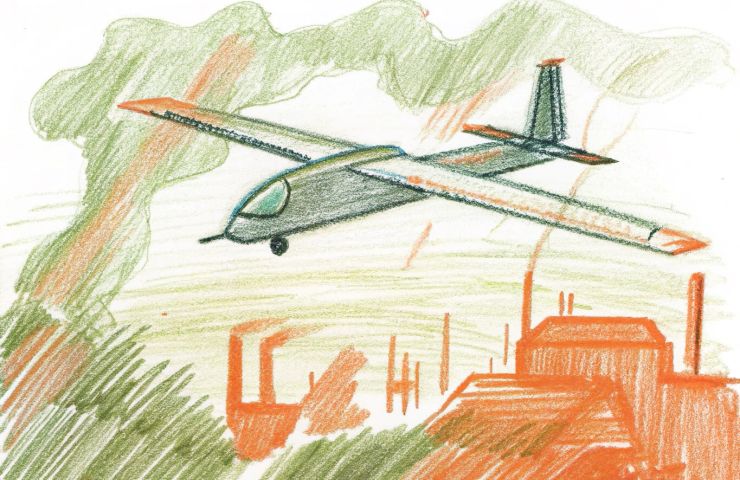
Hydrogen fuel cells take to the skies with SHPT’s UAV system in Germany
January 25, 2026Ever wondered what happens when hydrogen fuel cells shake off the weight of big rigs and take to the sky? That’s the leap Shanghai Hydrogen Propulsion Technology Co., Ltd. just made, sending its brand-new low-power closed-loop air-cooled fuel cell system to Germany this month. Built for a 25 kg-class hydrogen-powered UAV inspection project, it shows this fuel cell technology isn’t just for cars anymore—it’s ready to soar.
Founded in 2018 as SAIC Motor’s high-tech arm, SHPT has quietly built an end-to-end industrial chain—from membrane electrode assemblies (MEA) and robust stacks to full powertrain setups. Their systems already power vehicles in 32 cities across 18 Chinese provinces. Now, they’re proving those same platforms can lift off, tackling UAV flights in Europe and unlocking a whole new set of use cases.
What’s powering the drone flight?
Under the hood of this UAV is SHPT’s sleek low-power closed-loop air-cooled fuel cell system. By cycling air inside a sealed chamber instead of relying on heavy radiators or messy liquid loops, it keeps temperatures just right while shaving off weight—crucial when every gram counts. Hydrogen and oxygen react across a proton exchange membrane, producing electricity and only water vapor. The payoff? Nearly silent, zero-emission flight that boosts endurance far beyond what batteries alone can deliver.
A European launch pad for hydrogen innovation?
Germany has become a hotspot for green hydrogen research, with national plans to ramp up renewable production and imports. Trials in aviation and drones are key pieces of the puzzle, helping Europe test how hydrogen infrastructure can support new transport modes. By plugging its compact system into a German inspection operator’s workflow, SHPT isn’t just sending hardware—they’re helping map out real-world refueling tests, build safety protocols and gather data that could reshape the continent’s energy transition.
Partnerships pushing boundaries
SHPT’s drone rollout is just one chapter in their global playbook. Earlier this year, they inked a strategic deal with Sydrogen Energy Pte. Ltd., a Singapore-based joint venture backed by Nanofilm Technologies and Temasek. Together, they’re exploring stationary power in Singapore’s microgrids, hydrogen marine engines in Southeast Asia’s ports, and now aerial inspections across Europe. This multi-region partnership helps close supply-chain gaps and fast-track regulatory approvals across different markets.
So, why ditch cars and buses for drones? It boils down to market demand. Inspection operators—think pipelines, power lines or wind turbines—crave longer flight times, whisper-quiet ops and rapid refuels. Hydrogen UAVs deliver on all fronts: quick tank top-ups beat heavy battery swaps, and performance remains steady in freezing nights or blazing afternoons. With SHPT’s flexible 1.5 kW–260 kW portfolio, they can tailor the system from small forklifts up to 25 kg-class inspection drones and beyond.
China’s hydrogen push meets real-world tests
On home turf, China’s “Carbon Peaking by 2030, Carbon Neutrality by 2060” goals sparked massive investments in hydrogen infrastructure, from electrolyzer plants to storage hubs. SHPT rode that wave, deploying fuel cell trucks in 32 cities and joining national low-carbon transport alliances. Branching into UAVs shows how the same stack designs can jump sectors—boosting logistics, emergency response, precision agriculture and environmental monitoring.
Potential ripple effects
Picture fleets of hydrogen-powered drones cruising rail lines or offshore platforms, streaming live sensor data to control centers—all without a carbon footprint. It’s a game-changer for asset inspections and predictive maintenance. Yet hurdles remain: building reliable refueling hubs, securing supply chains for precious-metal catalysts and membranes, and untangling a web of certification rules across borders.
Still, SHPT’s Germany shipment underscores that the hydrogen narrative is taking flight. Marrying hydrogen’s high-energy density with drone agility isn’t just theoretical—it’s happening now. If these trials succeed, dedicated UAV corridors could link construction sites, farms and rescue missions. That opens the door to drone-as-a-service models powered by zero-emission fuel cells and reshapes the future of sustainable aviation.
What’s next?
Keep an eye on those propellers. As SHPT and Sydrogen Energy dial in efficiencies, we’ll find out if hydrogen UAVs can beat battery-only drones on cost-per-flight, endurance and environmental impact. If Europe’s regulators embrace these demos, we could flip the switch on a new chapter of hydrogen infrastructure and a clean energy sky full of zero-emission drones.
About the Company
Shanghai Hydrogen Propulsion Technology Co., Ltd. launched in 2018 as a SAIC Motor subsidiary focused on R&D, manufacturing and commercialization of PEM fuel cell technology—from MEA production to full powertrain systems. Their 1.5 kW–260 kW lineup is already running commercial vehicles and stationary power units, and now UAVs across Europe. Partnered with Sydrogen Energy, SHPT is rapidly expanding into Southeast Asia and beyond, all while championing the next wave of clean energy solutions.

 With over 15 years of reporting hydrogen news, we are your premier source for the latest updates and insights in hydrogen and renewable energy.