Hydrogen Furnace Demo Supports Decarbonization at Kobe Steel’s Takasago Works
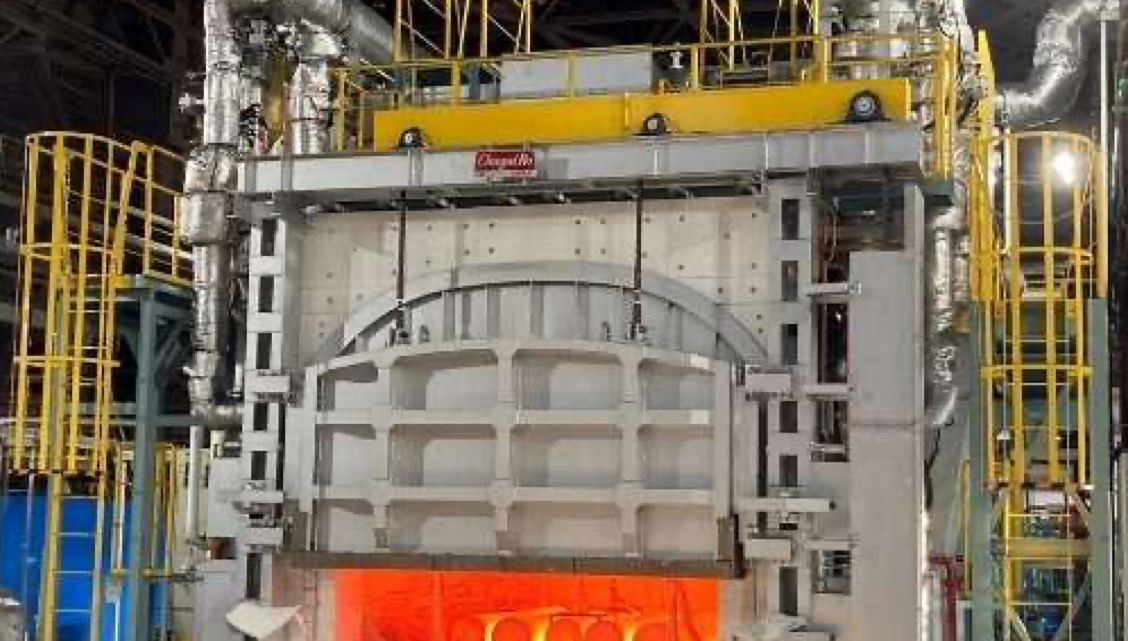
March 17, 2026Right in line with Japan’s dream of a true hydrogen society, Chugai Ro Co., Ltd. just shipped off the nation’s largest hydrogen furnace for metal heating to Kobe Steel at its Takasago Works in Hyogo Prefecture. The concept’s a no-brainer: ditch fossil fuels, fire up hydrogen, cut carbon footprint, and see how this industrial hydrogen wizardry performs in a real-world factory.
Historical Context: Japan’s Hydrogen Push
Ever since the Fukushima disaster, Japan’s been all-in on hydrogen as a next-gen clean energy carrier. The government rolled out a strategic roadmap to sprinkle hydrogen into everything from cars to power plants to heavy industry. With steelmaking responsible for nearly 10% of Japan’s CO₂ emissions, it quickly became a prime candidate for pilot projects. Under the country’s 2050 net-zero goal, the NEDO-backed trials have already spanned glass furnaces and ceramics kilns—and now we’re looking at this epic demonstration at Takasago Works. It’s proof that the supply chain—from production to delivery—is finally hitting its stride.
Project Overview: Tapping into Local Expertise
This demo is part of the mouthful-named “Demonstration for the Utilization of Hydrogen in Industrial Combustion Furnaces Toward Decarbonization of Factories Where Heat-energy Consumption Is the Primary Load” program under NEDO. As part of the R&D push, Chugai Ro delivered a unit packed with four burners (698 kW each) for a grand total of 2,791 kW. The chamber itself measures 3,300 mm wide, 4,300 mm long and 2,630 mm tall—and it can crank out enough heat to blast through seven tons of steel at up to 1,245°C every cycle. After aceing the factory acceptance tests in Osaka, it’s now up and running in Hyogo this month.
How the Hydrogen Furnace Works
At the heart of this hydrogen furnace is a combo of EBC-i automatic air ratio control and Lamμda Link O₂ control. That means whether you feed it pure hydrogen, city gas or any mix in between, the combustion stays rock-solid. Plus, exhaust heat recovery swoops in to wring more efficiency out of every joule. Each burner does the fuel shuffle on the fly, keeping flame shape and temperature locked in. That’s critical when you’re aiming for a steady 1,245°C—just a few degrees off and you might end up with steel that’s a bit too soft or too brittle for green steel ambitions.
Made in Japan, Made for Japan’s Future
What’s really cool is that this entire setup is crafted on home turf. Chugai Ro handled the design and build in Osaka, tapping decades of know-how in industrial combustion gear. Meanwhile, Kobe Steel seamlessly integrated the system into its Takasago Works, a site that’s been a powerhouse of Japanese steelmaking since the postwar boom. It’s a case of domestic R&D and manufacturing teaming up to push factory decarbonization right where it counts.
Solving Real-World Problems
Traditionally, Japan’s steel mills burn city gas or heavy oil, pumping out hefty CO₂ volumes. This new hydrogen furnace offers a flexible, cleaner alternative—operators can dial up hydrogen or slide back to city gas depending on price, supply or policy shifts. When green hydrogen is abundant, you run near-zero emissions; if supply dips, you switch gears without missing a beat. It’s practical, reliable and exactly what you need to tackle real-world energy sourcing headaches.
Local and Environmental Impact
Beyond slashing on-site CO₂—potentially hitting zero when green hydrogen takes the wheel—this demo has genuine local upside. Hyogo Prefecture is brimming with skilled engineers, operators and maintenance pros who’ll get hands-on training with cutting-edge combustion tech, beefing up the regional talent pool. Local component suppliers for valves, sensors and controllers also stand to gain orders, fueling a ripple effect in the supply chain. On the green front, capturing exhaust heat and trimming fuel use knocks down both greenhouse gases and particulates.
Next Steps and Broader Implications
Now that the furnace is up and running, Kobe Steel is diving into a thorough monitoring phase—logging energy consumption, thermal efficiency and emissions (CO₂ and NOₓ) to benchmark against traditional heaters. All that data heads back to NEDO and industry stakeholders, guiding tweaks in combustion controls, insulation or fuel sourcing. If it performs as expected, you’ll see this model rolled out across more furnaces at Takasago Works and maybe even other plants. Plus, these learnings could shape policy incentives or global standards for industrial hydrogen heating.
Looking Ahead
This isn’t just another furnace—it’s a living lab for Japan’s net-zero dreams. With emissions rules tightening worldwide, proving that hydrogen burners can handle the intense heat demands of heavy industry sends a clear signal to investors and regulators. Cracking hard-to-decarbonize sectors like steel, cement and ceramics is crucial if Japan’s going to hit its 2050 net-zero target. Over the next year, expect more NEDO-backed pilots and interest from overseas steelmakers eyeing similar green steel solutions.
By teaming up, Chugai Ro, Kobe Steel and NEDO have laid the groundwork for a cleaner, stronger steel sector in Japan. Their collaboration is a perfect example of how industry, government and local communities can hitch a ride on the hydrogen bandwagon—boosting the economy while cutting emissions and bringing factory decarbonization closer to reality. With the data rolling in, the vision of hydrogen-powered steelmaking is that much clearer, paving the way for a more resilient, zero-carbon future.


 With over 15 years of reporting hydrogen news, we are your premier source for the latest updates and insights in hydrogen and renewable energy.