Hydrogen Gas Turbine Achieves 303-Second Runtime Record at KIT
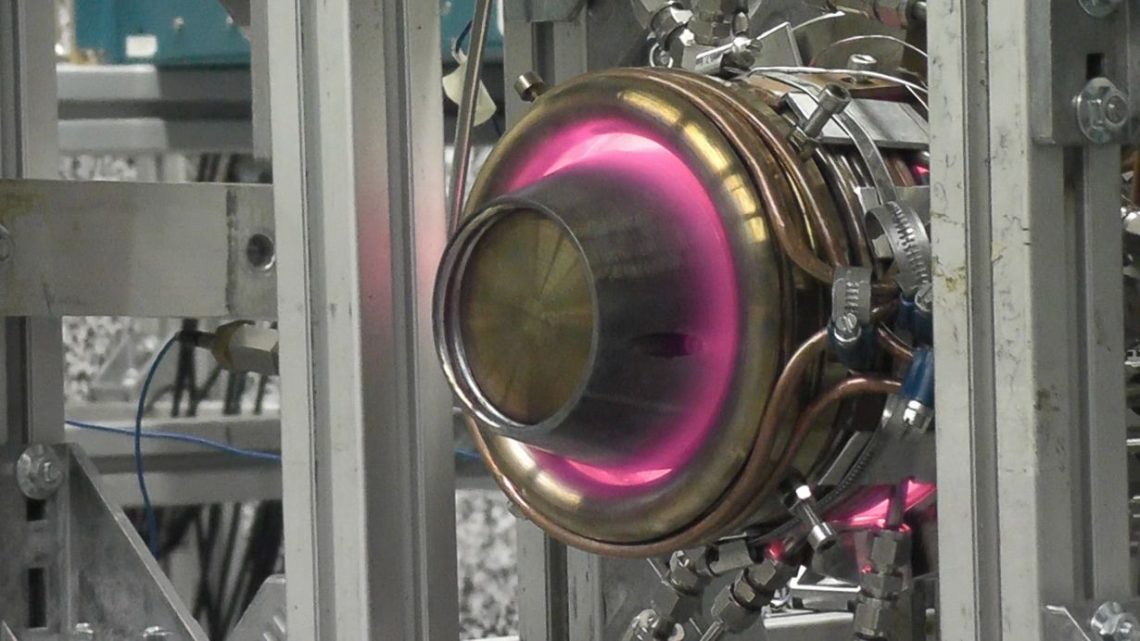
February 24, 2026Back on February 17, 2026, the team over at the Karlsruhe Institute of Technology (KIT) did something pretty remarkable: they ran a compressorless hydrogen gas turbine solidly for 303 seconds—eclipsing NASA’s 250-second record—and actually generated electricity without a mechanical compressor for the first time. It’s a huge leap toward more efficient, carbon-neutral power systems and a real win for sustainable energy.
Background on KIT
For a bit of backstory, KIT came together in 2009 when the University of Karlsruhe (dating back to 1825) merged with Forschungszentrum Karlsruhe (established in 1956). Today, it’s one of Germany’s top public research hubs, diving deep into energy, mobility, and information science—often teaming up with the Helmholtz Association. Lately, KIT has been all over hydrogen energy research, tackling grid-scale storage, industrial decarbonization, and clean aviation. The compressorless turbine falls under the Institute of Thermal Energy Technology and Safety (ITES), led by Professor Daniel Banuti, and it’s part of a broader effort that spans electrolyzer integration, hydrogen storage materials, and turbine design.
Technical Breakthrough
Typically, gas turbines burn through almost half their own power just to spin the mechanical compressor. But thanks to pressure-gain combustion, this new design ditches that energy hog. Instead, it creates a rapid series of detonation waves—driven by fluid-mechanical quirks—that spike the pressure of the hydrogen-air mix right before it hits the turbine stage. With hydrogen’s lightning-fast chemistry, those detonations can keep rolling without cooking the hardware.
In the test lab, researchers tweaked the combustion chamber’s geometry and materials to endure intense heat for longer stretches. Early trials at KIT had to be cut off after milliseconds to avoid damage, so pushing to a full 303 seconds meant beating those material limits and fine-tuning the injection timing to keep the detonation waves stable. The payoff? A turbine that delivers net power without using any energy on compression—up to a 50% efficiency bump over traditional setups.
Throughout the run, high-speed cameras and pressure sensors captured every detonation cycle in real time. A generator bolted directly to the turbine shaft turned that spin into AC power, with the team monitoring voltage and frequency to see how grid-ready the output really was.
Historical Context
Gas turbines have improved bit by bit—better blade designs, smarter cooling tricks, more fuel flexibility. NASA’s pressure-gain combustor experiments back in the 2010s hit 250 seconds, but they never hooked up a generator. KIT not only outlasted that mark, they also proved they could close the loop by delivering real electricity under realistic conditions.
This comes at a pivotal time as the world pivots to green hydrogen, using renewable electricity to split water via electrolysis. Europe’s Fit for 55 plan and Germany’s National Hydrogen Strategy are pouring resources into hydrogen production and infrastructure, creating a strong pull for turbine designs that maximize efficiency.
Strategic Implications
In the energy transition, every efficiency gain matters. Utilities could enjoy lower operating costs, fewer maintenance stops, and a smaller footprint by dropping mechanical compressors. Industrial sites might run modular turbines right next to renewable generators, slashing transmission losses and easing grid congestion.
In aviation, lighter turbine assemblies translate to better payload ratios and longer ranges. Early KIT studies indicate these compressorless units could shed hundreds of kilos from a typical jet engine—though scaling to full aviation thrust levels will need more R&D. And don’t forget remote communities or offshore platforms: compact, hydrogen-fueled generators that fire up fast and adjust output on the fly could be a real game-changer.
On a bigger scale, this achievement cements Germany’s role as a leader in building out hydrogen infrastructure. Investors and policy makers looking for bankable hydrogen tech now have a concrete example of what targeted R&D can accomplish.
Broader Impact
Beyond power plants, this innovation feeds right into wider efforts at industrial decarbonization. Smelters, chemical plants, and data centers that need on-site backup power could swap out diesel gensets for a clean, ultra-efficient hydrogen turbine, slashing emissions overnight. Couple that with waste-heat recovery, and overall plant efficiency could climb above 60%, rivaling combined-cycle setups—without a whiff of fossil fuels.
Policy makers and investors are likely to see this as a proof-of-concept that deserves pilot plant funding. Expect KIT to team up with industrial partners on retrofits or hybrid turbines that seamlessly switch between hydrogen and natural gas, all feeding into a more resilient, low-carbon energy blueprint.
Key Takeaways
- 303-Second Runtime: New endurance record for a compressorless hydrogen turbine, outpacing NASA.
- First Power Generation: Real-world electricity output achieved without a mechanical compressor.
- 50% Efficiency Gain: Eliminates compression draw, boosting net power.
- Reduced Complexity: Fewer moving parts mean lower maintenance and higher reliability.
- Demo at Hannover Messe: Live showcase April 20–24, 2026, Hall 11, Stand B06.
Next Steps
KIT is now gearing up to scale this test rig to industry-standard dimensions, running it under variable loads and long-term wear scenarios. They’re also experimenting with hydrogen blends—mixing in other gases to smooth the transition at sites already set up for blending. Utilities, aerospace firms, and manufacturers are lining up co-development agreements to bring this tech to market.
Come Hannover Messe, this project will be front and center for potential partners from utilities to aviation suppliers and heavy industry. If talks go well, pilot installations could be online by 2028. For investors tracking the hydrogen production market, it’s a strong signal that fundamental R&D still has the power to reshape entire sectors.
Challenges and Opportunities
Sure, there are hurdles: scaling detonation control, taming those intense pressure spikes to avoid material fatigue, and damping noise and vibration for use in urban or enclosed spaces. On the bright side, KIT is exploring hybrid configurations where a small mechanical compressor handles startup before handing off to pressure-gain combustion—offering a pragmatic path for early adopters.
Conclusion
This milestone at KIT shows how focused research into pressure-gain combustion can overcome age-old efficiency roadblocks. As hydrogen pushes from niche demos into the mainstream sustainable energy mix, innovations like a compressorless turbine could define the next wave of zero-emission technology. Keep an eye on this space—breakthroughs like these are where smart R&D investment really pays off.

 With over 15 years of reporting hydrogen news, we are your premier source for the latest updates and insights in hydrogen and renewable energy.